

What is Phosphorus Pentachloride Pneumatic Conveying Equipment? And What Are Its Design Principles?
Phosphorus pentachloride (PCl5) is a highly reactive and corrosive chemical compound, widely used in the chemical industry for various applications such as the production of pesticides, pharmaceuticals, and other organic compounds. The safe and efficient handling of PCl5 is critical due to its hazardous nature. Pneumatic conveying equipment offers a reliable solution for transporting PCl5 from storage to processing units, ensuring minimal exposure to personnel and maintaining product integrity. This article explores the concept of PCl5 pneumatic conveying equipment and its underlying design principles.
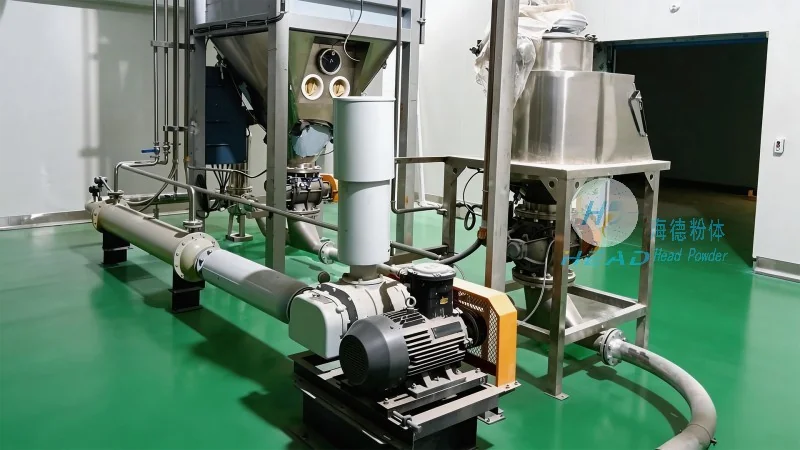
Overview of Pneumatic Conveying Systems for Phosphorus Pentachloride
Pneumatic conveying systems utilize air or other gases to transport solid materials like PCl5 through a pipeline network. These systems are classified into two main types: dilute-phase and dense-phase. Dilute-phase systems operate at higher air velocities, suitable for fine powders, while dense-phase systems use lower velocities and higher pressure to move bulk materials. For PCl5, which is typically a fine powder, a dilute-phase system is often preferred due to its ability to handle high volumes with minimal pressure drop. The system typically includes a hopper, a rotary valve, a conveyor line, and a dust collector.

Design Principles of Phosphorus Pentachloride Pneumatic Conveying Equipment
The design of PCl5 pneumatic conveying equipment must adhere to stringent safety and performance standards. Key design principles include: Material Compatibility: The equipment must be constructed from materials resistant to PCl5's corrosive properties, such as stainless steel or specialized alloys. This prevents degradation and ensures long-term durability. Pressure and Flow Control: Precise control of air pressure and flow rate is essential to maintain consistent conveying performance and prevent material blockages or excessive wear. Explosion Protection: Given PCl5's flammability and the risk of dust explosions, the system must incorporate explosion-proof components, including spark arrestors and pressure relief valves. Temperature Management: PCl5 can release heat during handling, so the system must include cooling mechanisms to prevent overheating and maintain safe operating temperatures.
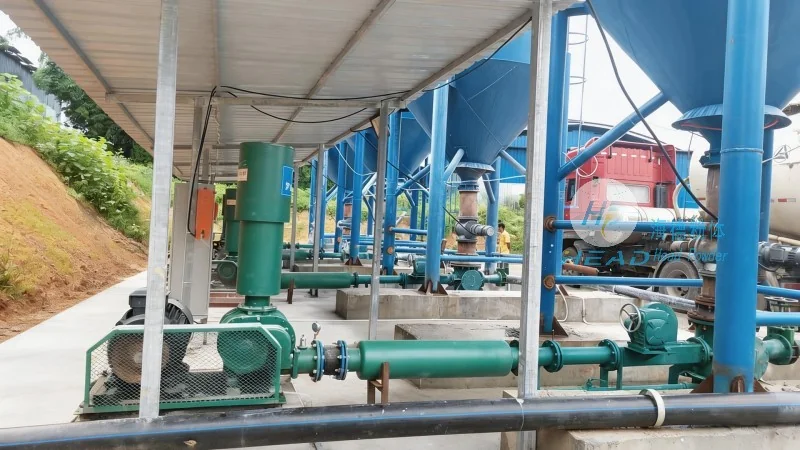
Key Components and Their Functions
A typical PCl5 pneumatic conveying system consists of several critical components, each playing a vital role in the overall operation: Hopper: The hopper stores the PCl5 and provides a controlled feed to the system. It is designed with a sloped bottom to facilitate material flow and prevent caking. Rotary Valve: The rotary valve acts as a gate, controlling the flow of PCl5 from the hopper into the conveyor line. It ensures a consistent and regulated feed rate, preventing overloading or underloading of the system. Conveyor Line: The conveyor line, usually made of corrosion-resistant materials, transports the PCl5 through the system. The diameter and length of the line are optimized to minimize pressure drop and ensure efficient transport. Dust Collector: The dust collector captures any PCl5 particles that may escape during the conveying process, preventing environmental contamination and ensuring compliance with safety regulations. Air Compressor and Filter: The air compressor generates the necessary air pressure, while the filter removes contaminants from the air to prevent damage to the system and maintain product purity.
Operational Considerations and Safety Measures
Operational efficiency and safety are paramount when handling PCl5 with pneumatic conveying equipment. Key operational considerations include: Regular Maintenance: Routine maintenance, such as cleaning the hopper, inspecting the rotary valve, and checking the air filter, is essential to prevent system failures and ensure consistent performance. Monitoring Systems: Implementing monitoring systems to track pressure, flow rate, and temperature helps identify potential issues early and prevent accidents. Personnel Training: All personnel involved in the operation and maintenance of the equipment must receive comprehensive training on PCl5 safety, handling procedures, and emergency response protocols.
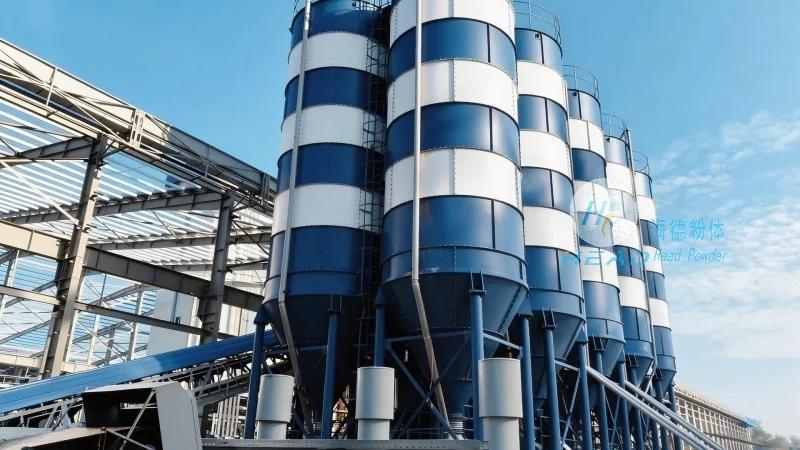
Application Scenarios and Benefits
PCl5 pneumatic conveying equipment is widely used in various industrial applications, including: Chemical Manufacturing: For the production of PCl5-based products, such as pesticides and pharmaceuticals. Material Processing: In facilities where PCl5 is used as a raw material for further processing. Bulk Handling: In plants that require the transport of large quantities of PCl5 between different processing units. The benefits of using pneumatic conveying for PCl5 include: Improved Safety: Minimizes direct human contact with the hazardous chemical, reducing the risk of exposure and accidents. Enhanced Efficiency: Enables continuous and automated material transport, increasing production throughput. Cost-Effective: Reduces the need for manual handling and reduces the risk of material loss or contamination. Environmental Compliance: The dust collector ensures that PCl5 particles are captured and contained, preventing environmental pollution.