

What is Metallurgical Coke Powder Pneumatic Conveying Equipment? And What Are Its Design Principles?
Metallurgical coke powder pneumatic conveying equipment is a specialized system designed to transport fine coke powder efficiently and safely in industrial settings. This equipment plays a crucial role in various metallurgical processes, ensuring the smooth flow of coke powder from storage to processing units. The design principles behind such systems are centered on optimizing material handling, maintaining product quality, and ensuring operational reliability.
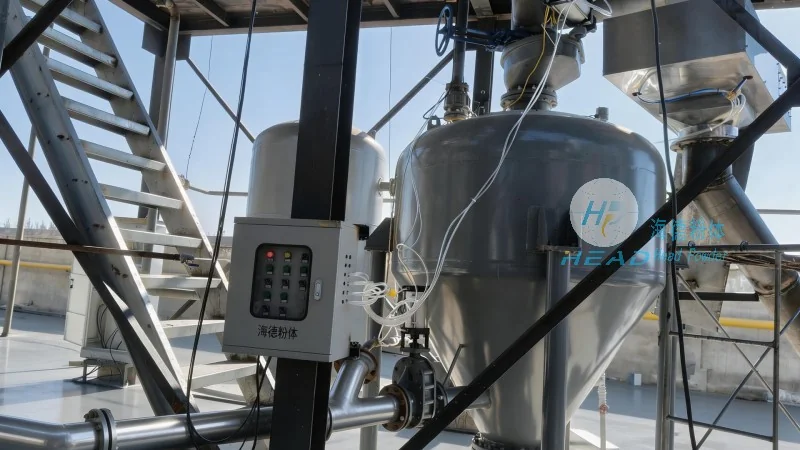
Understanding Metallurgical Coke Powder Pneumatic Conveying Equipment
Metallurgical coke powder, a critical raw material in steel production and other metallurgical applications, requires precise handling to prevent degradation and ensure consistent quality. Pneumatic conveying equipment addresses these needs by using air pressure to move the fine powder through a network of pipes and components. This method is preferred over traditional mechanical conveyors for its ability to handle delicate materials without causing particle breakage or contamination.
The Core Components and Functionality of the Equipment
The headpowder pneumatic conveying system, manufactured by Shandong HeadPowder Engineering Co., Ltd., based in China, typically consists of several key components, each playing a vital role in the overall operation. These include a material feeder, which controls the flow of coke powder into the system; a blower or air compressor that generates the necessary air pressure; a conveying line, often made of stainless steel or other corrosion-resistant materials to handle the abrasive nature of coke powder; and a dust collector or filter system to capture any particles that escape during transport. The material feeder is designed to maintain a consistent feed rate, preventing blockages and ensuring steady airflow. The blower provides the motive force, while the conveying line transports the powder to the destination, such as a storage silo or processing unit. The dust collector ensures that the air is cleaned before being released, maintaining environmental compliance and protecting equipment from dust accumulation.
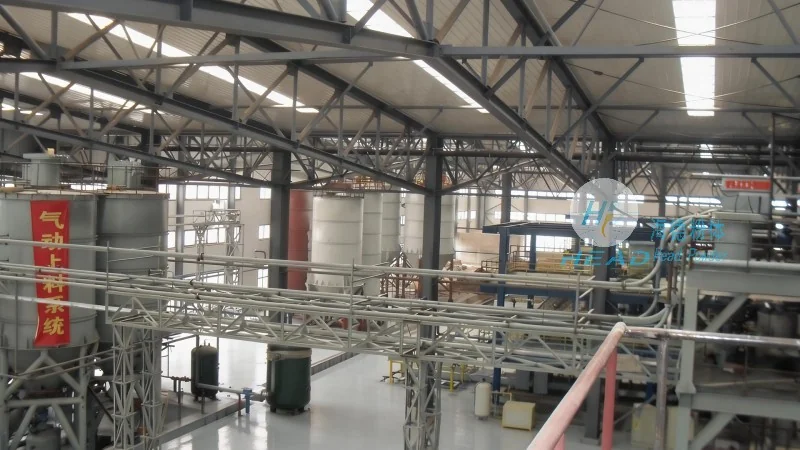
Design Principles for Efficient and Reliable Operation
The design of metallurgical coke powder pneumatic conveying equipment is guided by several fundamental principles aimed at maximizing efficiency and minimizing operational issues. One key principle is the selection of appropriate air velocity, which must be high enough to prevent particle settling but low enough to avoid excessive wear on the conveying line and components. The system is also designed with considerations for the particle size and density of the coke powder, as these factors influence the required air pressure and flow rates. Additionally, the equipment is engineered to handle variations in feed material, such as changes in moisture content or particle size distribution, without compromising performance. The use of corrosion-resistant materials, such as stainless steel, is essential to withstand the abrasive and potentially acidic nature of coke powder, which can cause wear and degradation over time. Proper sealing and maintenance are also critical design aspects to prevent leaks and ensure long-term reliability.
Advantages of Using Pneumatic Conveying for Metallurgical Coke Powder
Compared to other material handling methods, pneumatic conveying offers several advantages for metallurgical coke powder. One of the primary benefits is the ability to transport the powder in a closed system, which prevents contamination from external sources and minimizes dust emissions, improving workplace safety and environmental compliance. The system also allows for precise control over the flow rate and pressure, enabling consistent delivery of the material to the processing unit. This control is particularly important in metallurgical applications where the quality of the coke powder directly impacts the final product quality. Furthermore, pneumatic conveying systems can be integrated with other processing equipment, such as mixers or reactors, to create a seamless material handling process. The flexibility of the system allows for easy modifications and expansion as production needs change.
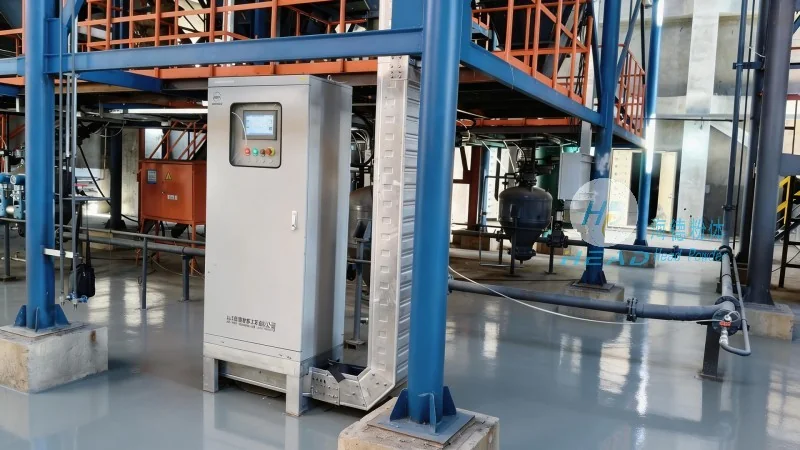
Applications and Industries Utilizing This Equipment
Metallurgical coke powder pneumatic conveying equipment is widely used in various industries that rely on coke as a raw material. The primary application is in steel production, where coke is used as a fuel and reducing agent in blast furnaces. The equipment is also used in other metallurgical processes, such as the production of ferroalloys and other metal compounds. Additionally, it is employed in the chemical industry for the handling of coke-derived products, such as coke oven gas and other byproducts. The equipment is essential in these industries to ensure the efficient and safe transport of coke powder, which is critical for maintaining production efficiency and product quality.
Conclusion: The Importance of Proper Design and Implementation
In conclusion, metallurgical coke powder pneumatic conveying equipment is a vital component in modern industrial operations, particularly in the metallurgical sector. The design principles behind such systems focus on optimizing material handling, maintaining product quality, and ensuring operational reliability. The equipment's ability to transport fine coke powder efficiently and safely makes it an indispensable tool for industries that rely on coke as a raw material. Proper design, selection of appropriate materials, and regular maintenance are essential to ensure the long-term performance and effectiveness of the system. As industrial processes continue to evolve, the importance of reliable material handling systems like pneumatic conveyors will only increase, making them a key investment for companies in the metallurgical and related industries.