

What is a Crystal Particle Pneumatic Conveying Equipment? What are its Design Principles?
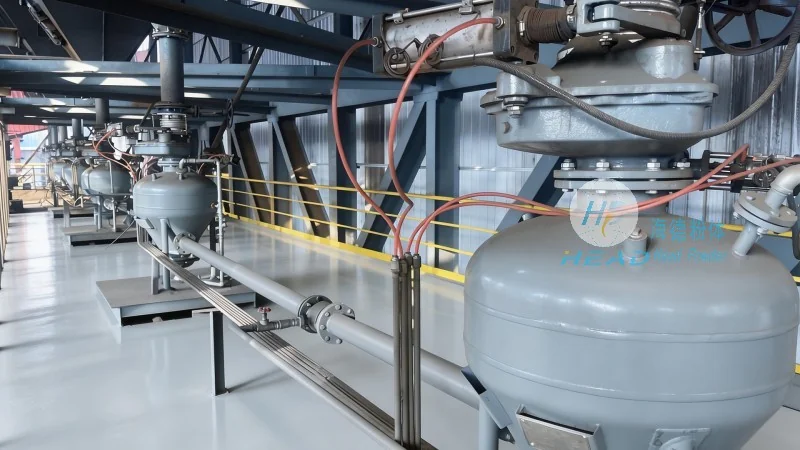
Crystal particle pneumatic conveying equipment is a specialized system designed for the efficient transport of crystalline materials through the use of air or gas as the conveying medium. This technology plays a crucial role in various industrial processes, offering a solution to the challenges of handling fine, dry, or dusty crystalline powders. Understanding the fundamentals of such equipment and its design principles is essential for optimizing material handling operations and ensuring reliable performance in industrial settings.
Company Introduction
HeadPowder, a leading provider in the field, specializes in the development and manufacturing of advanced pneumatic conveying solutions. With a strong presence in Shandong, China, the company leverages decades of experience to deliver high-quality equipment tailored to the unique needs of crystal particle processing. Their expertise spans from system design to installation and maintenance, ensuring clients achieve maximum efficiency and minimal downtime in their material handling workflows.
Design Principles of Crystal Particle Pneumatic Conveying Equipment
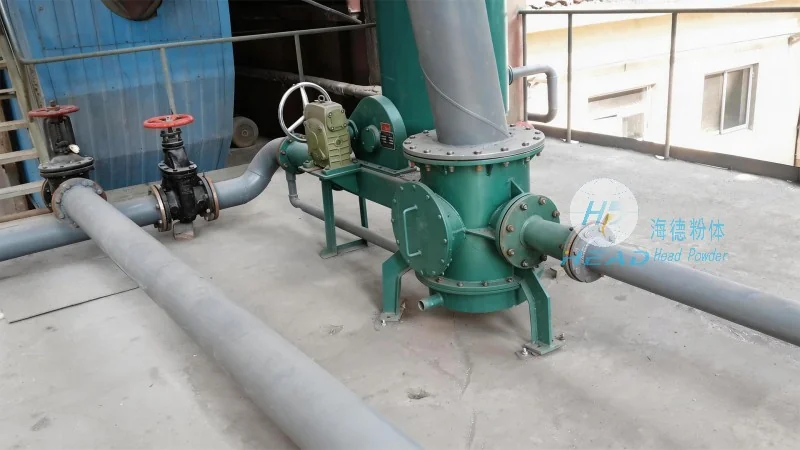
The design of crystal particle pneumatic conveying equipment revolves around several key principles that ensure effective and reliable material transport. The primary mechanism involves the creation of a low-pressure or high-pressure air stream that draws or pushes the crystalline particles through a pipeline. The equipment typically consists of a hopper for material storage, a feeder to control the flow rate, a conveying line, and a receiver for the discharged material. The choice between positive pressure and negative pressure systems depends on the specific application, with positive pressure systems being suitable for long-distance or high-resistance conveying, while negative pressure systems are ideal for handling dusty or fine particles that require containment.
Operational Mechanism and Key Components
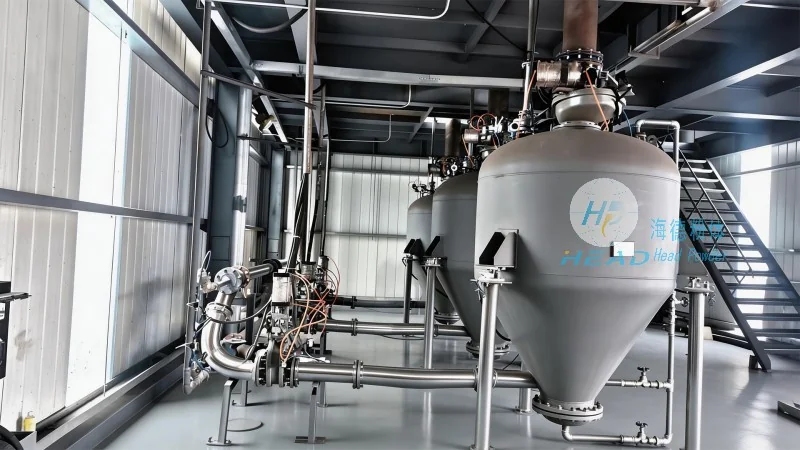
In a typical operation, the crystalline particles are fed into the hopper, where they are drawn into the conveying line by the air flow. The feeder, often a rotary valve or a screw feeder, regulates the amount of material entering the system, preventing overloading and ensuring consistent flow. The conveying line may include components like bends, filters, and cyclones to maintain particle integrity and prevent blockages. The receiver, equipped with a dust collection system, collects the material and separates it from the air, which is then filtered and recirculated or discharged as per environmental regulations.
Advantages and Application Considerations
The design principles of crystal particle pneumatic conveying equipment prioritize several critical factors, including material compatibility, system efficiency, and operational safety. The equipment is engineered to handle a wide range of crystalline materials, from pharmaceutical powders to chemical crystals, without causing degradation or contamination. The use of air as the conveying medium eliminates the need for mechanical components like belts or chains, reducing maintenance costs and minimizing the risk of material contamination. Additionally, the enclosed system design ensures that dust and particles are contained, improving workplace safety and compliance with environmental standards.
Conclusion
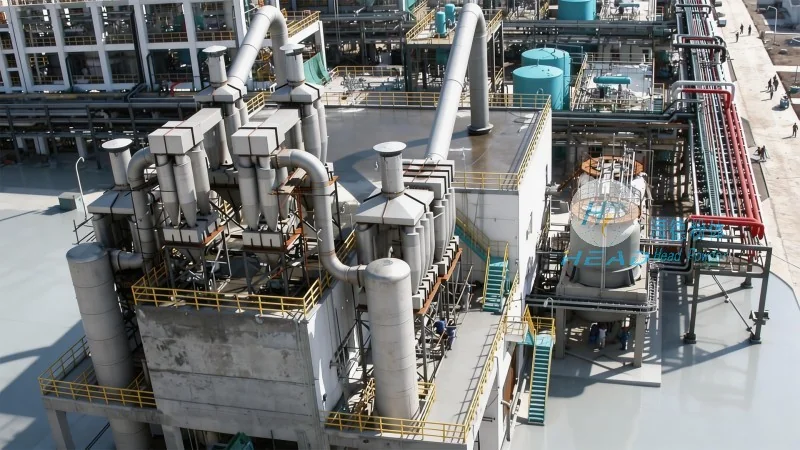
For industries dealing with crystal particles, investing in a well-designed pneumatic conveying system from a reputable provider like HeadPowder is a strategic decision. The combination of advanced design principles and professional engineering ensures that material handling operations are optimized, leading to increased productivity, reduced operational costs, and enhanced product quality. By understanding the core design principles and the capabilities of such equipment, businesses can make informed choices that align with their specific processing requirements and long-term operational goals.