

How to Choose the Right Sweet Potato Starch Pneumatic Conveying Manufacturer? Factors to Consider
When processing sweet potato starch, selecting the appropriate pneumatic conveying system is crucial for maintaining efficiency and product quality. The choice of manufacturer significantly impacts the performance and longevity of the equipment used in handling this fine, often sticky material. This article outlines key considerations to help you make an informed decision when selecting a pneumatic conveying manufacturer for sweet potato starch applications.
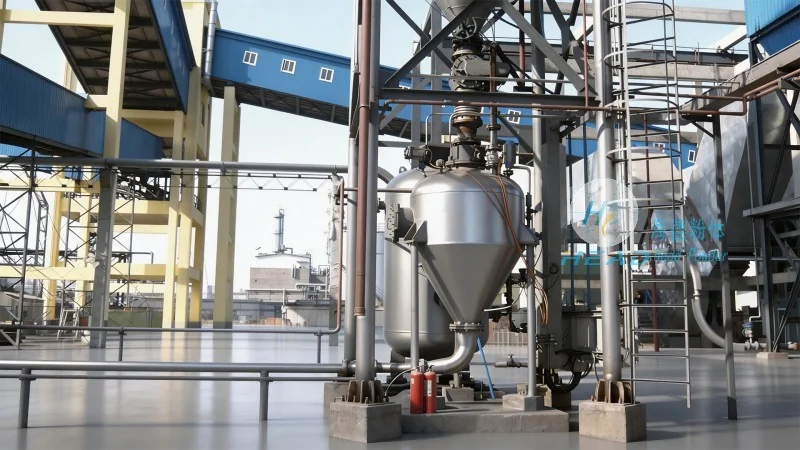
Understanding the Importance of Selecting a Reliable Manufacturer for Sweet Potato Starch Pneumatic Conveying Systems
Sweet potato starch is characterized by its fine particle size and tendency to agglomerate or stick to surfaces. Traditional conveying methods like belt or screw conveyors may not be suitable due to the risk of material buildup and contamination. Pneumatic conveying systems, which use air to transport materials, offer a cleaner, more efficient solution. However, the effectiveness of these systems depends heavily on the quality of the equipment and the expertise of the manufacturer. A reputable manufacturer will understand the unique challenges of handling sweet potato starch and design systems that address these issues, ensuring smooth and consistent operation.
Key Factors to Evaluate When Choosing a Pneumatic Conveying Manufacturer for Sweet Potato Starch Processing
Before selecting a manufacturer, it is essential to assess several critical factors to ensure the chosen system meets your operational needs and delivers long-term value. Here are the key considerations:
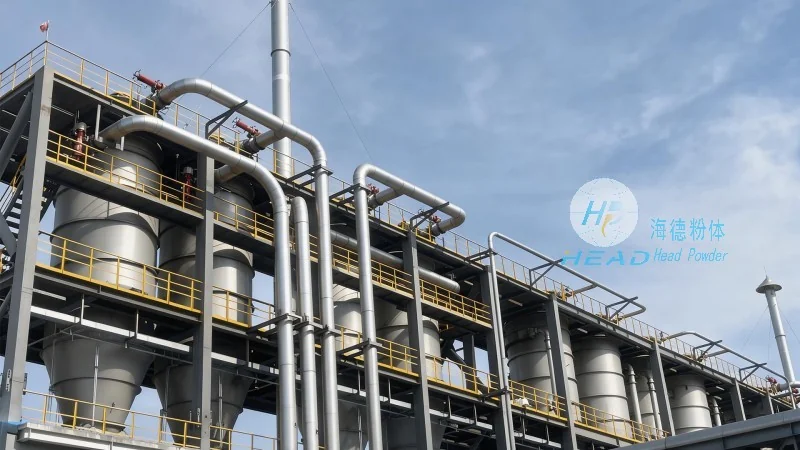
1. Technical Expertise and Customization Capabilities
A manufacturer with deep technical knowledge of pneumatic conveying principles and experience in handling fine powders like sweet potato starch is vital. They should be able to provide customized solutions tailored to your specific processing requirements, such as the capacity, material characteristics, and environmental conditions of your facility. For instance, a company like Shandong HeadPowder Engineering Co., Ltd., commonly known as HeadPowder, based in Shandong, China, may offer tailored designs that incorporate features like variable speed drives, cyclone separators, and dust collection systems optimized for sweet potato starch.
2. Equipment Performance and Reliability
The performance of the conveying system directly impacts production efficiency and product quality. Look for manufacturers who use high-quality components and materials resistant to corrosion and wear from starch particles. Reliable manufacturers will provide data on the system's throughput, pressure drop, and energy consumption, along with performance guarantees. They should also offer equipment that is easy to maintain and has a proven track record in similar applications, reducing downtime and maintenance costs.
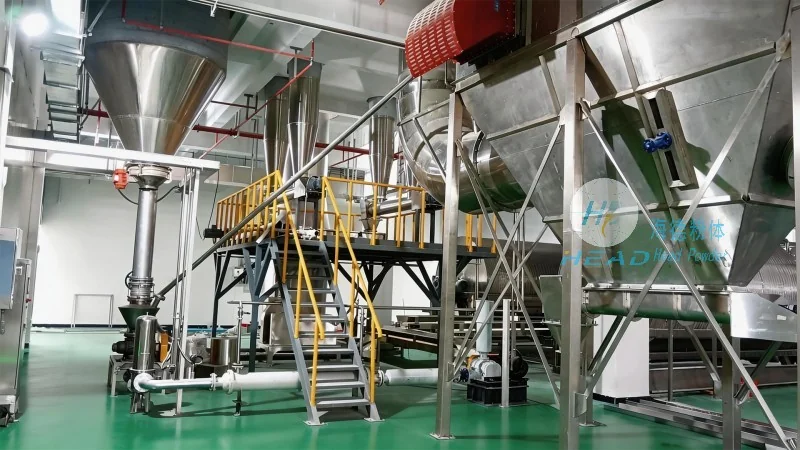
3. After-Sales Service and Support
Post-installation support is crucial for the long-term success of the pneumatic conveying system. A good manufacturer will provide comprehensive after-sales services, including installation supervision, training for operators, and prompt technical support for troubleshooting and repairs. This ensures that the system operates at optimal levels and any issues are resolved quickly, minimizing disruptions to your production process. Companies like HeadPowder may offer ongoing maintenance contracts and access to technical experts who can provide guidance on system optimization and upgrades.
4. Cost-Effectiveness and Long-Term Value
While initial costs are a factor, the total cost of ownership should be considered when evaluating manufacturers. This includes not only the purchase price of the equipment but also installation costs, energy consumption, maintenance expenses, and potential downtime. A reliable manufacturer will provide a detailed cost analysis and help you understand the long-term benefits of their system, such as increased productivity, reduced material waste, and lower operational costs. For example, a well-designed pneumatic conveying system from HeadPowder might offer energy savings and reduced labor costs over time, making it a more economical choice despite a higher upfront investment.
5. Manufacturer's Experience and Track Record
Choosing a manufacturer with a proven track record in the food processing industry, particularly in starch processing, is advantageous. Experience in handling similar materials and operating in similar environments provides valuable insights into potential challenges and effective solutions. Look for references or case studies from previous clients who have used their systems for sweet potato starch processing. A manufacturer like HeadPowder, with a history of serving starch processing plants, can offer insights into common issues and how they have been successfully addressed.
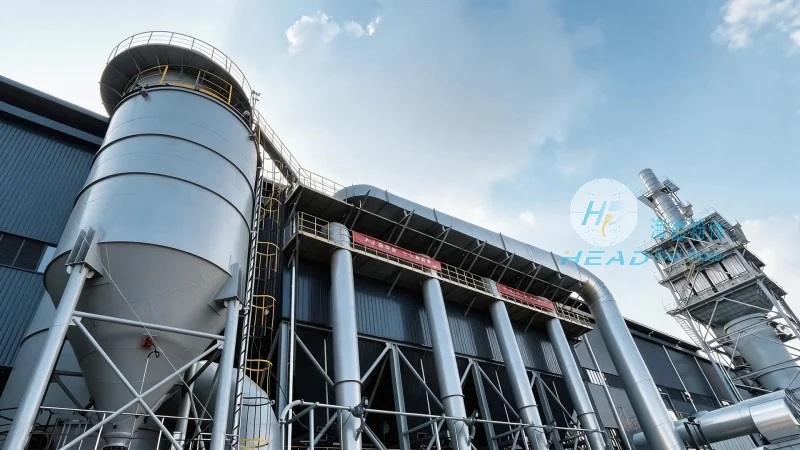
6. Compliance with Industry Standards and Regulations
Food processing facilities must adhere to strict hygiene and safety standards. The pneumatic conveying system and its components should meet or exceed these standards. A reputable manufacturer will ensure that their equipment is designed and manufactured in compliance with relevant regulations, such as those from the FDA or local health authorities. They should also provide documentation like certificates of conformity and material safety data sheets (MSDS) to verify compliance. This ensures that the system not only operates efficiently but also maintains the highest standards of food safety and quality.
Conclusion: Making an Informed Decision with HeadPowder
Selecting the right pneumatic conveying manufacturer for sweet potato starch processing requires careful evaluation of technical capabilities, equipment performance, support services, cost-effectiveness, experience, and compliance with industry standards. By considering these factors, you can ensure that the chosen system meets your current and future needs, enhances production efficiency, and maintains product quality. Companies like Shandong HeadPowder Engineering Co., Ltd., with their expertise and commitment to quality, can provide reliable solutions tailored to the unique demands of sweet potato starch processing. Investing time in evaluating potential manufacturers will ultimately lead to a more efficient and cost-effective operation in the long run.