

Arsenic Trioxide Pneumatic Conveying System Principle
Understanding the fundamental principles of an arsenic trioxide pneumatic conveying system is crucial for industries dealing with this hazardous material. The system leverages the power of air to transport arsenic trioxide powder efficiently and safely, addressing the challenges associated with handling such substances in bulk. This article delves into the core mechanisms, components, and operational aspects of such a system, providing a comprehensive overview for professionals in the field.
Core Principles of Pneumatic Conveying for Arsenic Trioxide
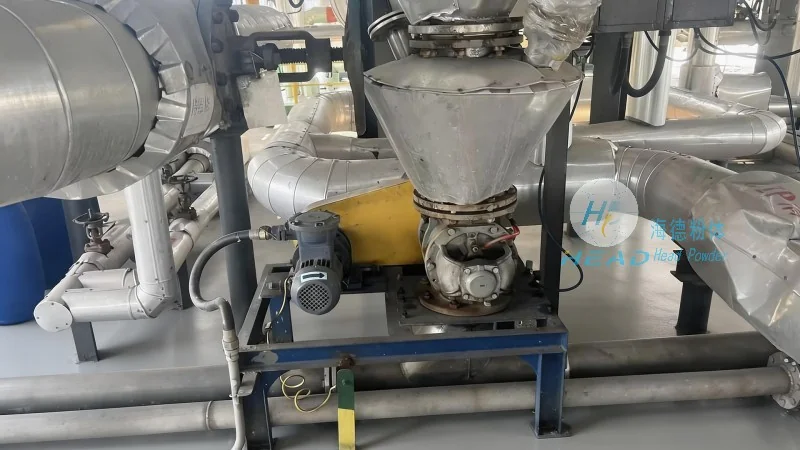
The pneumatic conveying system operates on the principle of using air as a medium to move solid particles. In the case of arsenic trioxide, which is a toxic and potentially carcinogenic compound, the system must be designed with stringent safety measures to prevent exposure and contamination. The system typically consists of a hopper, a blower or compressor, a pipeline, and a receiver. The process begins when the arsenic trioxide powder is fed into the hopper. The blower then generates a high-pressure air stream that pulls the powder into the pipeline, creating a dense phase flow. This method allows for continuous and controlled transport of the material, minimizing the risk of dust generation and ensuring compliance with environmental and safety regulations.
Key Components and Their Functions
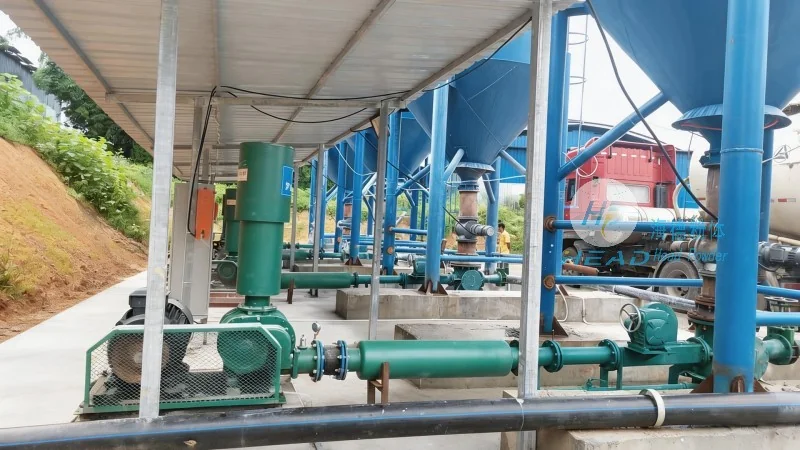
Several critical components are integral to the effective operation of an arsenic trioxide pneumatic conveying system. The hopper serves as the storage and feeding unit, ensuring a consistent supply of the material. It is equipped with a discharge valve to regulate the flow of powder into the system. The blower or compressor is the heart of the system, providing the necessary air pressure and volume to move the particles. Different types of blowers, such as rotary lobe or centrifugal, are used depending on the system's requirements and the properties of the material. The pipeline is constructed from materials resistant to corrosion and chemical attack, such as stainless steel or special coatings, to prevent contamination and ensure durability. The receiver is the final destination where the transported arsenic trioxide is collected. It may include a dust collection system to capture any particles that escape during the process, further enhancing safety and environmental protection.
Advantages of Pneumatic Conveying for Arsenic Trioxide Handling
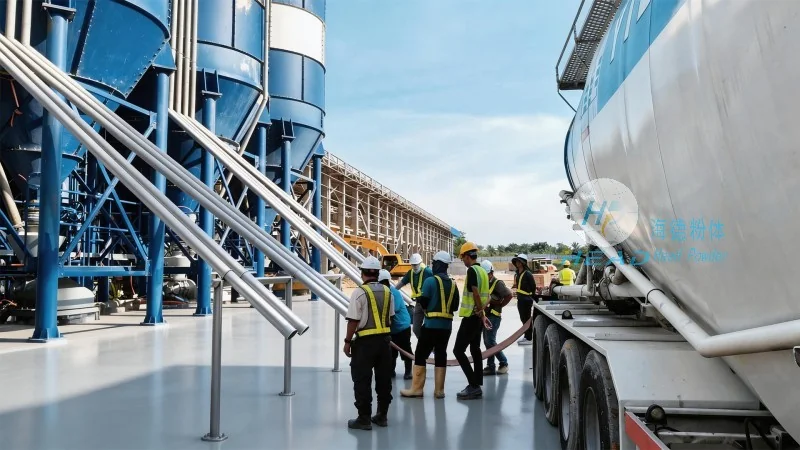
Compared to traditional methods like belt conveyors or manual handling, pneumatic conveying offers several advantages for transporting arsenic trioxide. One of the primary benefits is the ability to handle the material in a closed system, which significantly reduces the risk of dust exposure and environmental contamination. This is particularly important given the hazardous nature of arsenic trioxide, as inhalation or skin contact can lead to severe health issues. Additionally, the system allows for precise control over the flow rate and pressure, enabling efficient and reliable transport even in complex layouts. The closed pipeline also minimizes the risk of cross-contamination with other materials, ensuring the purity of the arsenic trioxide. Furthermore, pneumatic conveying systems can be integrated with other processing equipment, such as reactors or reactors, to streamline the overall production process and improve operational efficiency.
Safety and Environmental Considerations
Handling arsenic trioxide requires strict adherence to safety and environmental guidelines. The pneumatic conveying system is designed with multiple safety features to mitigate risks. For instance, the system includes pressure relief valves to prevent over-pressurization and explosion hazards. It also incorporates dust collection and filtration systems to capture any airborne particles and prevent their release into the environment. Regular maintenance and inspection of the system are essential to ensure its proper functioning and compliance with regulations. The use of sealed containers and proper ventilation in the operational area further enhances safety. Additionally, the system's design minimizes the generation of waste and reduces the need for manual handling, which in turn lowers the risk of exposure for personnel.
About Shandong HeadPowder Engineering Co., Ltd.
Shandong HeadPowder Engineering Co., Ltd., commonly known as headpowder, is a leading manufacturer and supplier of pneumatic conveying systems and related equipment. With a strong focus on innovation and quality, the company specializes in designing and manufacturing systems tailored to the specific needs of various industries, including chemical, pharmaceutical, and hazardous material handling. Headpowder's team of experienced engineers and technicians utilizes advanced technology and rigorous testing to ensure that their products meet the highest standards of performance, safety, and reliability. The company's commitment to customer satisfaction and environmental responsibility has earned it a reputation as a trusted partner in the industry. Headpowder's facilities are located in Shandong, China, where they leverage local resources and expertise to deliver high-quality products and services to clients worldwide.