

The Role of Pneumatic Conveying in the Transport of Arsenic Trioxide
When it comes to the safe and efficient transport of hazardous materials like arsenic trioxide, the choice of conveying system is critical. Pneumatic conveying has emerged as a preferred method for handling such materials due to its ability to minimize exposure risks and ensure reliable material transfer. This article explores the role of pneumatic conveying in the transport of arsenic trioxide, highlighting the technical considerations and practical applications involved.
Key Benefits of Pneumatic Conveying for Arsenic Trioxide
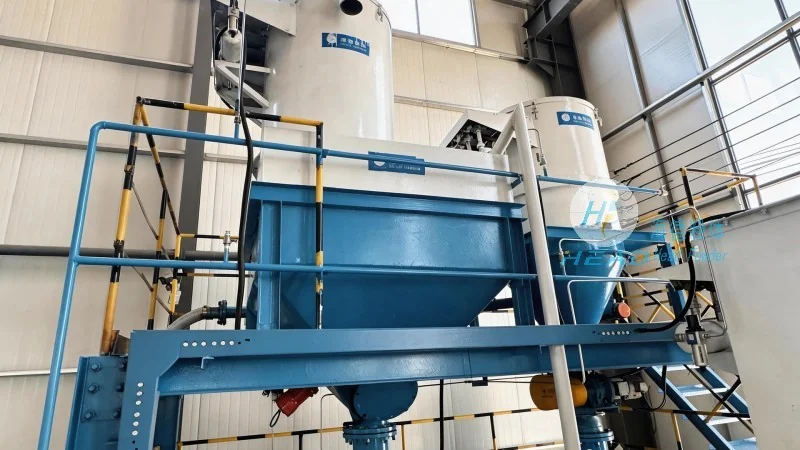
Pneumatic conveying systems offer several advantages when transporting arsenic trioxide. One of the primary benefits is the reduction of human exposure to the material. Unlike traditional mechanical conveying methods, which may involve direct contact with the material or require manual handling, pneumatic systems can transfer the material through enclosed pipelines, minimizing the risk of inhalation or skin contact. This is particularly important given the toxic nature of arsenic trioxide, as it can cause severe health issues if not handled properly.
Another key advantage is the ability to maintain material integrity. Arsenic trioxide is a fine powder that can be prone to agglomeration or degradation if not handled with care. Pneumatic conveying systems use controlled air flow to move the material, preventing it from sticking to surfaces or losing its quality. This ensures that the material remains in its desired state throughout the transport process, which is crucial for downstream processing or end-use applications.
Technical Considerations for Arsenic Trioxide Pneumatic Conveying
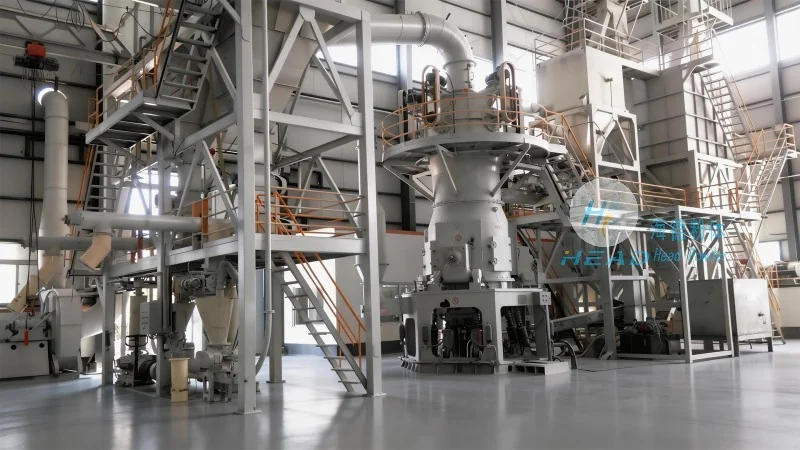
Implementing a pneumatic conveying system for arsenic trioxide requires careful consideration of several technical factors. The first is the selection of appropriate equipment. For fine powders like arsenic trioxide, positive displacement blowers or rotary lobe pumps are often preferred over suction systems, as they provide the necessary pressure and flow rates to move the material efficiently. The system design must also account for the material's density and flow characteristics, as these can affect the air-to-material ratio and overall system performance.
Material handling and system maintenance are also critical considerations. Arsenic trioxide can be abrasive and corrosive, which means that the conveying components, such as pipelines, valves, and pumps, must be made from materials that can withstand these conditions. Stainless steel or specialized coatings are commonly used to protect equipment from wear and corrosion. Additionally, regular maintenance is essential to prevent system blockages or leaks, which could lead to material loss or safety hazards.
HeadPowder Engineering's Expertise in Arsenic Trioxide Conveying
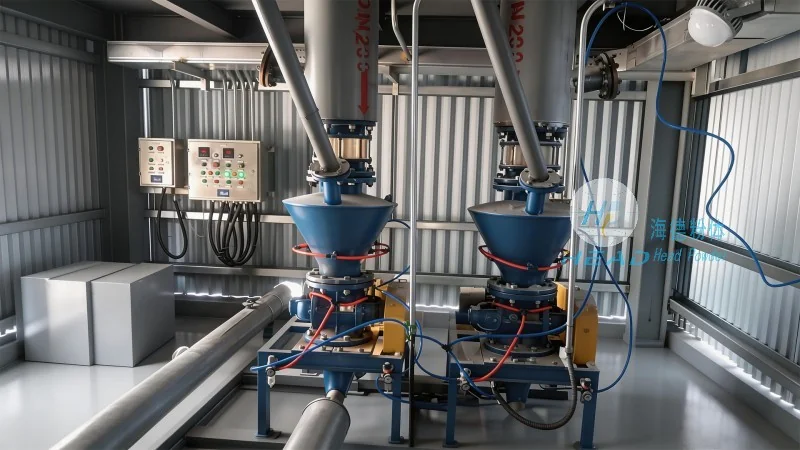
Shandong HeadPowder Engineering Co., Ltd., a leading provider of powder handling solutions, specializes in the design and implementation of pneumatic conveying systems for hazardous materials. With years of experience in the industry, the company has developed a deep understanding of the unique challenges associated with transporting arsenic trioxide. HeadPowder's team of engineers works closely with clients to assess their specific needs and design customized solutions that meet safety standards and operational requirements.
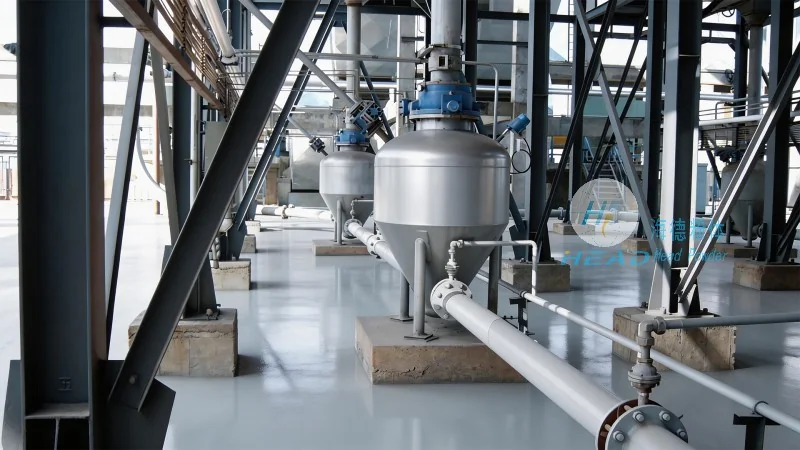
The company's approach to arsenic trioxide conveying focuses on safety, efficiency, and reliability. By leveraging advanced technology and rigorous testing protocols, HeadPowder ensures that its systems are capable of handling the material under various conditions, from low to high flow rates. The company also provides comprehensive support, including system installation, training, and ongoing maintenance, to help clients maximize the performance and lifespan of their conveying equipment.
Conclusion: The Importance of Specialized Pneumatic Conveying for Arsenic Trioxide
In conclusion, pneumatic conveying plays a vital role in the safe and efficient transport of arsenic trioxide. By minimizing exposure risks, maintaining material integrity, and providing reliable performance, these systems are essential for industries that handle this hazardous material. Companies like Shandong HeadPowder Engineering Co., Ltd. are at the forefront of developing and implementing advanced pneumatic conveying solutions that address the specific needs of arsenic trioxide transport. As the demand for safer and more efficient material handling continues to grow, the role of specialized pneumatic conveying systems will remain critical in ensuring the responsible handling of hazardous materials like arsenic trioxide.