

Types, Characteristics, and Application Ranges of Magnesia Pneumatic Conveying Systems
For industrial operations dealing with magnesia, the selection of an appropriate pneumatic conveying system is crucial for efficiency, safety, and cost-effectiveness. Magnesia, a key material in refractory applications, requires specialized handling due to its chemical properties and particle characteristics. This article explores the different types of magnesia pneumatic conveying systems, their key features, and the diverse applications where they are employed, providing insights for industries seeking reliable material transport solutions.
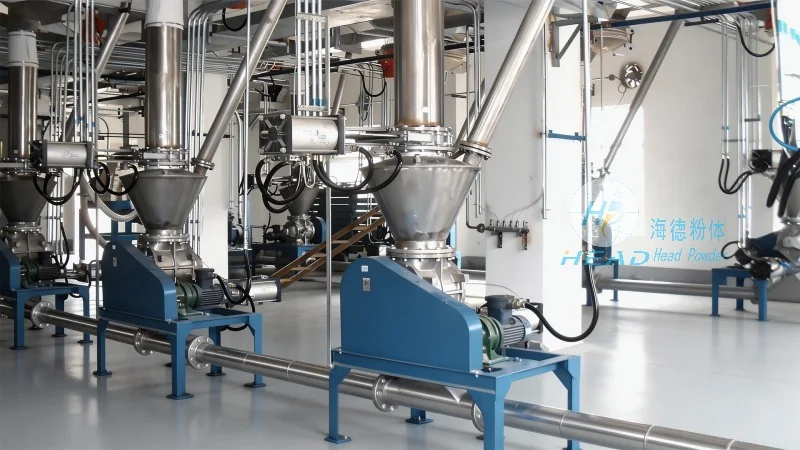
Overview of Magnesia Pneumatic Conveying Systems
Magnesia, a form of magnesium oxide, is widely used in the production of refractory bricks, castables, and other high-temperature materials. Its handling demands careful consideration due to its reactivity and dust generation potential. Pneumatic conveying systems offer a non-contact, closed-loop method to transport magnesia, minimizing contamination and improving process control. The primary goal of these systems is to move magnesia from storage to processing equipment while maintaining material integrity and operational safety.
Key Types of Magnesia Pneumatic Conveying Systems
Several types of pneumatic conveying systems are available, each suited to different operational conditions and material flow requirements. The most common types for magnesia include:
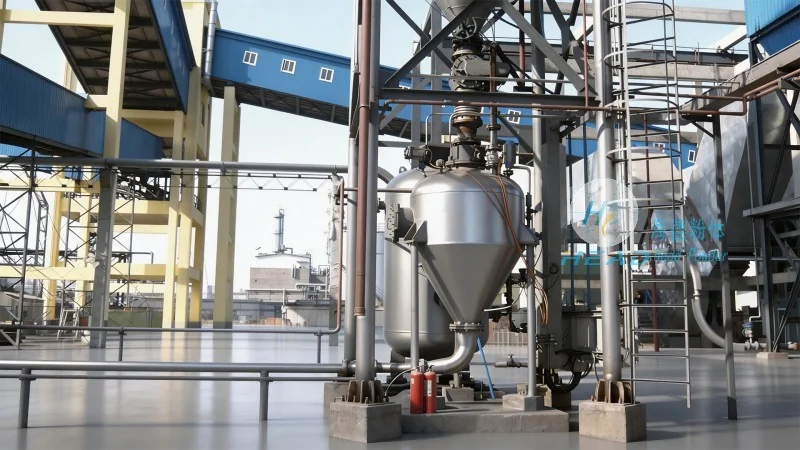
- Positive Pressure Conveying: This system uses a blower or compressor to generate positive pressure in the conveying line, pushing the material forward. It is ideal for short to medium distances and is suitable for handling fine to medium-sized magnesia particles. The positive pressure system ensures consistent flow and reduces the risk of material degradation.
- Negative Pressure (Vacuum) Conveying: In this configuration, a vacuum pump creates a negative pressure environment, drawing magnesia from the source and moving it to the destination. This method is effective for long-distance transport and is often used when the material needs to be collected from multiple points. Negative pressure systems are particularly useful for handling dusty or hazardous materials, as they contain the material within the system.
- Combined (Positive/Negative) Conveying: Some applications require a hybrid approach, combining both positive and negative pressure stages. For example, a positive pressure system may be used to transport magnesia from a storage silo to a central collection point, while a negative pressure system moves it from there to the processing equipment. This hybrid approach offers flexibility and can optimize material flow for complex layouts.
- Trunk Line Conveying: This is a high-capacity system that uses a single large-diameter pipe to transport magnesia over long distances. It is typically used in large-scale industrial plants where high throughput is required. Trunk line systems are efficient for moving large volumes of magnesia but may require more robust equipment and maintenance.
Core Features and Advantages of Magnesia Pneumatic Conveying
Regardless of the specific type, magnesia pneumatic conveying systems share several key features that enhance their performance and reliability:
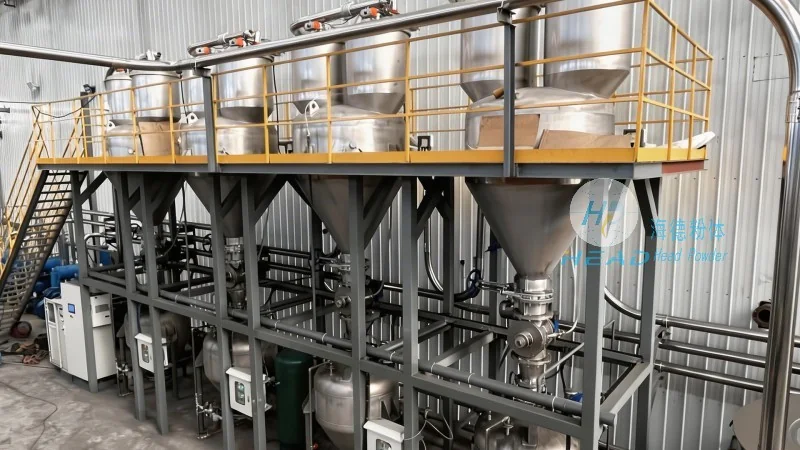
- Material Containment: The closed-loop design of pneumatic systems prevents dust and particles from escaping into the environment, reducing health hazards and environmental impact. This is particularly important for magnesia, which can be a respiratory irritant.
- Process Integration: These systems can be integrated with existing industrial processes, such as mixing, drying, or packaging, to streamline operations and improve overall efficiency.
- Reduced Downtime: By eliminating the need for manual handling and material transfer, pneumatic conveying minimizes the risk of accidents and reduces labor costs.
- Customization: Systems can be tailored to specific magnesia particle sizes, flow rates, and operational conditions, ensuring optimal performance for each application.
Application Ranges of Magnesia Pneumatic Conveying Systems
Magnesia pneumatic conveying systems are employed in a wide range of applications across various industries. The primary sectors include:
- Refractory Manufacturing: The most common application is in the production of refractory products, where magnesia is transported from raw material storage to mixing and molding equipment. The systems ensure consistent material supply and maintain the quality of the final products.
- Chemical Processing: In chemical plants, magnesia is used as a raw material or additive in the production of magnesium compounds. Pneumatic conveying systems efficiently transport magnesia to reactors and processing units, supporting continuous production processes.
- Construction Materials: Magnesia-based products, such as fire-resistant coatings and building materials, require precise material handling. Pneumatic systems are used to transport magnesia from storage to production lines, ensuring uniform material distribution.
- Environmental and Waste Management: In some applications, magnesia is used for neutralizing acidic waste or as a component in environmental remediation processes. Pneumatic conveying helps transport magnesia to treatment facilities, supporting sustainable waste management practices.
Conclusion and Company Profile
Choosing the right magnesia pneumatic conveying system is essential for optimizing industrial operations. The systems offered by Shandong HeadPowder Engineering Co., Ltd. (headpowder) are designed to meet the specific needs of magnesia handling, providing reliable, efficient, and safe material transport solutions. With a focus on customization and integration, headpowder's systems enhance productivity and reduce operational costs for industries relying on magnesia. Based in Shandong, China, headpowder leverages its expertise to deliver high-quality pneumatic conveying solutions tailored to the unique requirements of each client.