

Design of a Vacuum Pneumatic Conveying Device for Anhydrous Sodium Sulfate
HeadPowder, a leading engineering firm based in Shandong, China, specializes in the design and development of advanced material handling solutions. The company's expertise lies in creating efficient and reliable systems for transporting bulk materials, with a particular focus on vacuum pneumatic conveying technologies. This article introduces the design of a specialized vacuum pneumatic conveying device tailored for the transport of anhydrous sodium sulfate, a critical industrial chemical widely used in various sectors such as glass manufacturing, paper production, and chemical processing.
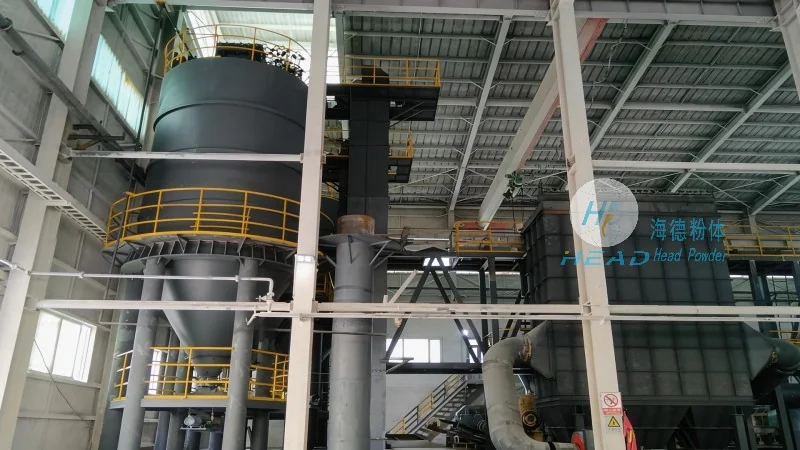
Product Overview and Application
The vacuum pneumatic conveying device for anhydrous sodium sulfate is engineered to handle the unique properties of this material. Anhydrous sodium sulfate, also known as sodium sulfate anhydrous, is a white crystalline powder with a high bulk density and moderate flowability. It is commonly used as a drying agent, in the production of detergents, and as a raw material in the glass industry. The conveying system is designed to efficiently transport this material from storage silos or processing units to processing equipment, ensuring minimal loss and contamination. The device operates under negative pressure, which helps in maintaining a clean and dust-free environment, a crucial factor in industries where product purity is paramount.
Design Principles and Technical Specifications
The design of the vacuum pneumatic conveying system adheres to fundamental principles of pneumatic transport, focusing on energy efficiency and material integrity. The system comprises several key components, including a vacuum pump, a material feed hopper, a conveying pipeline, and a discharge unit. The vacuum pump generates the necessary negative pressure to draw the material from the source to the destination. The feed hopper is equipped with a rotary valve or a screw feeder to control the material flow rate, ensuring a consistent and controlled feeding process. The conveying pipeline is made of corrosion-resistant materials, such as stainless steel or polyethylene, to prevent material degradation and equipment wear. The discharge unit is designed to safely release the material into the processing equipment, minimizing the risk of blockages or spills.
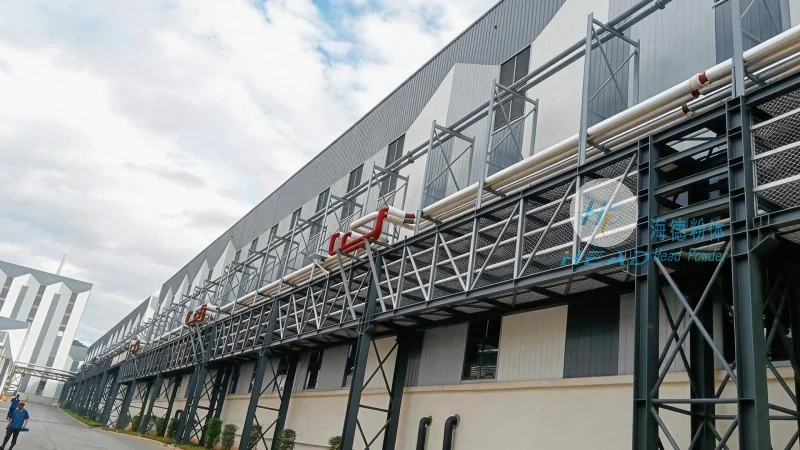
Key Technical Features and Advantages
One of the standout features of this vacuum pneumatic conveying device is its ability to handle the abrasive nature of anhydrous sodium sulfate without causing significant wear to the system components. The system incorporates wear-resistant liners and high-quality seals to extend the operational life of the equipment. Additionally, the negative pressure operation reduces the risk of dust emissions, making it suitable for applications where environmental compliance is a priority. The design also allows for easy integration with existing production lines, minimizing downtime during installation and operation. The system's energy efficiency is enhanced through the use of high-performance vacuum pumps and optimized pipeline designs, resulting in lower operational costs for the end-user.
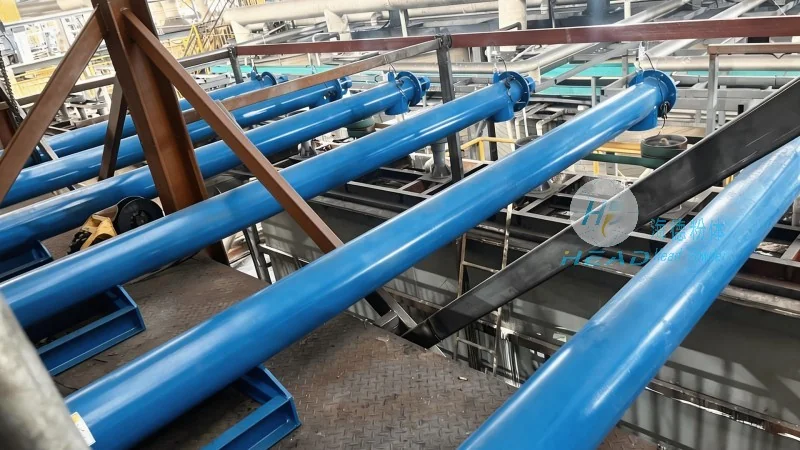
Application Benefits and Performance Metrics
The implementation of this vacuum pneumatic conveying device offers several tangible benefits for industrial operations. By eliminating the need for traditional bulk handling methods like belt conveyors or bucket elevators, the system reduces labor costs and operational complexity. The negative pressure operation ensures that the material is conveyed in a closed system, preventing contamination from external sources and maintaining product purity. The system's ability to handle high material flow rates and long conveying distances makes it ideal for large-scale industrial applications. Performance metrics, such as conveying capacity and pressure drop, are optimized through rigorous engineering calculations and field testing, ensuring that the device meets or exceeds industry standards. The system's reliability is further enhanced by the inclusion of safety features, including pressure relief valves and emergency shutdown mechanisms, which protect both the equipment and the personnel operating it.
Quality Assurance and Reliability
HeadPowder adheres to stringent quality control measures throughout the design, manufacturing, and testing phases of the vacuum pneumatic conveying device. The company's engineering team conducts comprehensive material testing and system simulations to validate the design's performance under various operating conditions. The components are sourced from reputable suppliers and undergo rigorous inspection to ensure compliance with international standards. The final assembly is tested in a controlled environment to verify that all specifications are met before delivery. This commitment to quality ensures that the device operates reliably over extended periods, with minimal maintenance requirements. The company also provides comprehensive after-sales support, including maintenance services and technical assistance, to ensure that the system continues to perform optimally throughout its service life.