

[Magnesia Sand Pneumatic Conveying Technology: In-Depth Analysis of Negative Pressure and Positive P
HeadPowder, a leading provider in the field of material handling solutions, specializes in advanced pneumatic conveying systems tailored for magnesia sand applications. This article delves into the technical aspects of both negative pressure and positive pressure conveying methods, offering a comprehensive understanding of their operational principles, advantages, and practical applications.
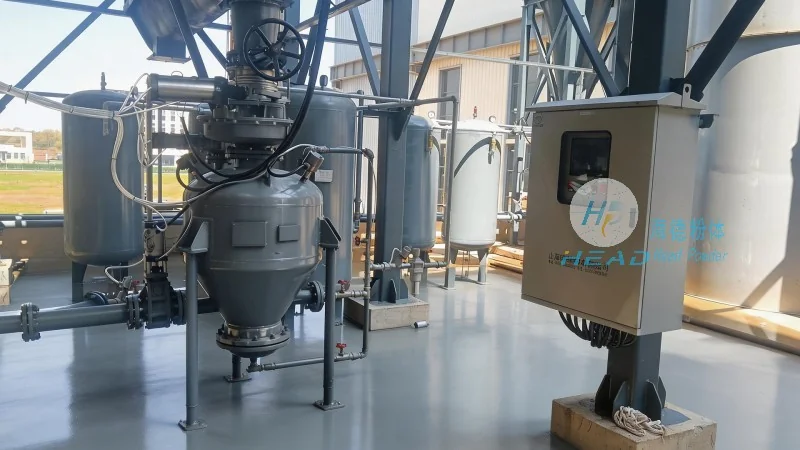
Company Overview: Shandong HeadPowder Engineering Co., Ltd.
HeadPowder, the brand under Shandong HeadPowder Engineering Co., Ltd., is dedicated to delivering high-quality engineering solutions for industrial material transport. With a strong presence in China, particularly in Shandong, the company leverages decades of expertise to design, manufacture, and implement efficient pneumatic conveying systems. The company's commitment to innovation and customer satisfaction ensures that clients receive tailored solutions that meet their specific operational needs.
Understanding Pneumatic Conveying for Magnesia Sand
Magnesia sand, a crucial raw material in refractory production and other industrial processes, requires reliable and efficient transport methods to maintain product quality and operational efficiency. Pneumatic conveying offers a non-contact, dust-free, and energy-efficient solution compared to traditional mechanical conveying systems. The choice between negative pressure (suction) and positive pressure (blowing) systems depends on factors such as material characteristics, distance, and system layout, each presenting unique benefits and considerations.
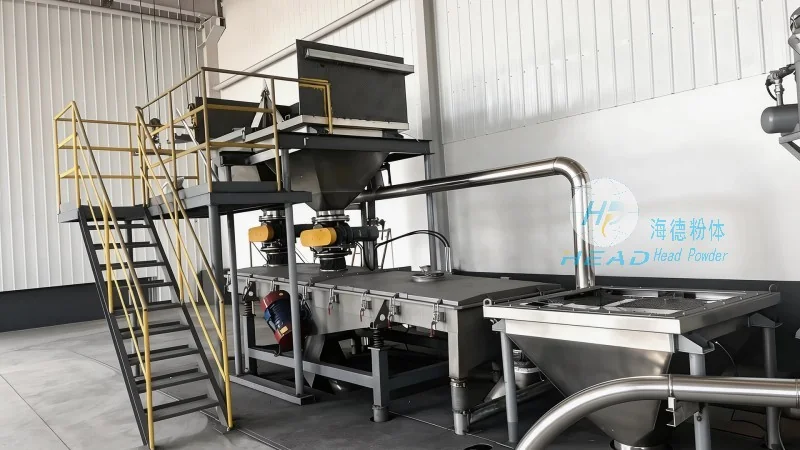
Negative Pressure (Suction) Pneumatic Conveying
Negative pressure systems operate by creating a vacuum at the material inlet, drawing the material into the conveying line using air drawn from the system. This method is particularly suitable for handling fine powders and granular materials like magnesia sand, as it minimizes product degradation and dust generation. The system typically includes a vacuum pump, a material hopper with a feeder, and a conveying pipe network. Key advantages of negative pressure conveying include lower air velocity requirements, reduced wear on equipment, and the ability to handle materials with high moisture content or abrasive properties. However, it may have limitations in terms of conveying distance and material capacity compared to positive pressure systems.
Positive Pressure (Blowing) Pneumatic Conveying
Positive pressure systems, on the other hand, use a blower or compressor to force air through the conveying line, pushing the material forward. This method is ideal for longer conveying distances and larger material volumes, as it can maintain higher air velocities and system pressures. Positive pressure conveying is often preferred for bulk materials and when the material is prone to bridging or caking. The system components include a positive displacement blower, a material feeder, and a high-pressure conveying line. Advantages of positive pressure systems include higher conveying capacities, better control over material flow, and the ability to handle more challenging material characteristics. However, it may require more robust equipment and higher energy consumption compared to negative pressure systems.
Key Considerations for System Design
When designing a pneumatic conveying system for magnesia sand, several factors must be carefully evaluated to ensure optimal performance and efficiency. Material properties, such as particle size, density, and moisture content, significantly influence the choice of system type and operating parameters. The conveying distance and layout of the system also play a critical role in determining the appropriate air velocity, pressure, and equipment specifications. Additionally, the system's integration with existing industrial processes, including storage and processing facilities, must be considered to ensure seamless operation. HeadPowder's engineering team utilizes advanced computational fluid dynamics (CFD) and material flow analysis to design customized systems that meet these requirements, ensuring reliable and efficient material transport.
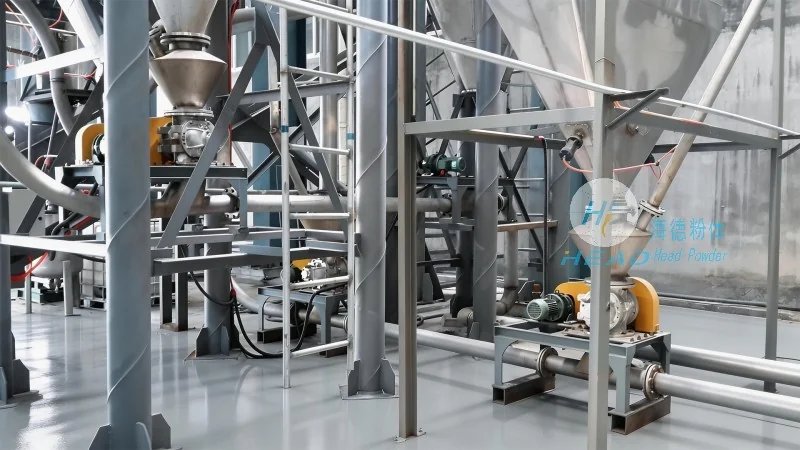
Applications and Case Studies
Magnesia sand pneumatic conveying systems are widely used in various industrial sectors, including refractory manufacturing, foundries, and chemical processing. In refractory production, for example, magnesia sand is used as a raw material for making refractory bricks and linings, requiring precise and dust-free transport to maintain product quality. HeadPowder has successfully implemented negative pressure conveying systems in refractory plants, reducing dust emissions and improving material handling efficiency. In foundries, positive pressure systems are often employed to transport large volumes of magnesia sand for sand casting processes, where high material throughput and consistent flow are essential. These applications demonstrate the versatility and effectiveness of pneumatic conveying technologies in handling magnesia sand under different operational conditions.
Conclusion
Both negative pressure and positive pressure pneumatic conveying systems offer effective solutions for magnesia sand transport, each with its own set of advantages and limitations. The choice of system depends on specific operational requirements, material characteristics, and system constraints. HeadPowder, with its expertise in engineering and material handling, provides customized pneumatic conveying solutions that optimize performance, efficiency, and cost-effectiveness. By leveraging advanced technology and tailored design, HeadPowder ensures that clients receive reliable and sustainable solutions for their magnesia sand conveying needs, supporting their industrial operations with precision and efficiency.