

Preventing Dust Leakage in Pneumatic Conveying Systems for Dust-Removed Coke Powder
When operating pneumatic conveying systems to transport dust-removed coke powder, ensuring a dust-tight operation is crucial for maintaining safety, compliance, and operational efficiency. This article explores effective strategies and best practices implemented by industry leaders like Shandong HeadPowder Engineering Co., Ltd. to mitigate dust leakage risks.
Understanding the Challenges of Dust Leakage in Pneumatic Conveying
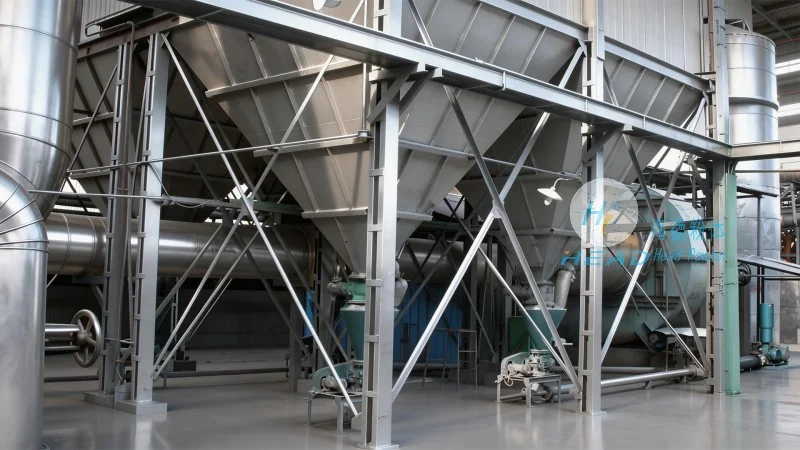
Dust leakage in pneumatic conveying systems for coke powder can arise from various factors, including improper sealing, material properties, and system design. The fine particles of dust-removed coke powder are prone to escaping through joints, valves, and other components if not properly managed. This not only poses health and safety risks but also leads to environmental contamination and operational inefficiencies. Companies like HeadPowder recognize these challenges and focus on robust solutions to address them.
Key Components and Technologies for Dust Control
Shandong HeadPowder Engineering Co., Ltd. employs advanced components and technologies to prevent dust leakage. These include high-quality seals, specialized valves, and efficient filtration systems. For instance, using double-seal mechanisms in pneumatic conveying lines can significantly reduce the risk of dust escaping at connection points. Additionally, the company utilizes materials with low permeability and high durability to construct system components, ensuring long-term performance and minimal leakage.
System Design and Installation Best Practices
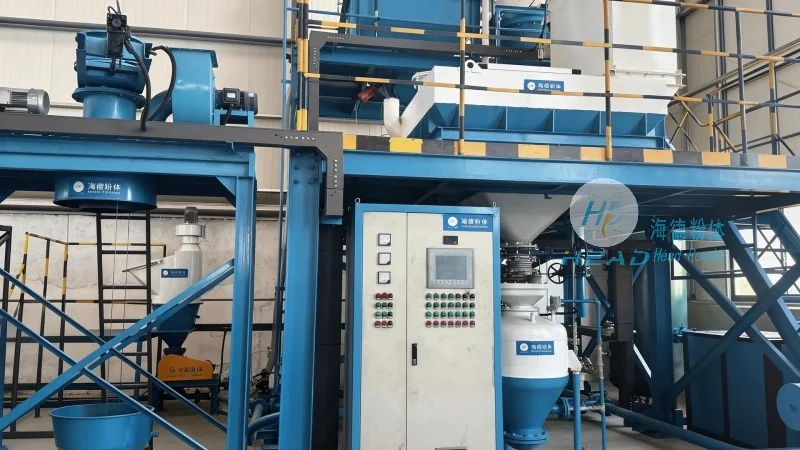
The design and installation phase of a pneumatic conveying system play a critical role in preventing dust leakage. Proper alignment of components, secure fastening of joints, and thorough testing before operation are essential steps. HeadPowder follows strict installation protocols to ensure that all parts are correctly assembled and sealed. This includes using specialized tools and techniques to maintain tight tolerances and prevent gaps that could allow dust to escape. Regular inspections and maintenance schedules are also part of their approach to sustain a dust-free operation.
Operational Strategies to Minimize Dust Leakage
Even with robust system design, operational practices are vital to prevent dust leakage. Operators must follow guidelines for system start-up and shutdown procedures to avoid pressure surges that could cause seals to fail. Additionally, monitoring system pressure and flow rates helps identify potential issues early, allowing for timely adjustments or repairs. HeadPowder emphasizes training for personnel on proper operational procedures to ensure consistent adherence to dust control measures.
Case Studies and Real-World Applications
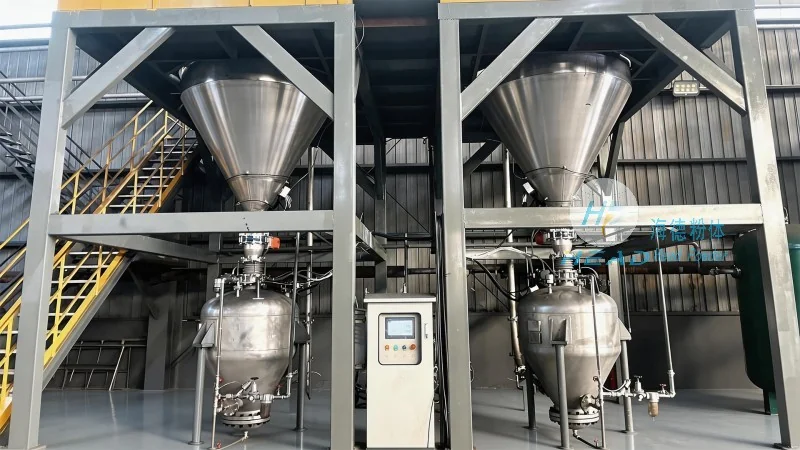
Shandong HeadPowder Engineering Co., Ltd. has successfully implemented dust control solutions in various industrial settings. For example, in a coal processing plant, their pneumatic conveying system for dust-removed coke powder achieved a 95% reduction in dust leakage compared to traditional systems. This case study highlights the effectiveness of their integrated approach, combining advanced components with expert installation and operational guidance.
Conclusion and Recommendations
Preventing dust leakage in pneumatic conveying systems for dust-removed coke powder requires a comprehensive approach that encompasses system design, component selection, and operational practices. By leveraging the expertise of companies like Shandong HeadPowder Engineering Co., Ltd., industries can achieve safer, more efficient operations while complying with environmental regulations. Investing in high-quality equipment and adhering to best practices remains the most effective strategy to minimize dust leakage and maintain a dust-tight environment.