

Application and Optimization of Pneumatic Conveying Technology in Ferrous Sulfate Transportation Des
For industries dealing with bulk chemical materials, efficient and reliable material handling is crucial. Among these materials, ferrous sulfate, a widely used chemical in water treatment and industrial processes, presents unique challenges during transportation. Traditional methods like belt conveyors or bucket elevators may struggle with issues such as material caking, corrosion, and uneven flow. This is where pneumatic conveying technology emerges as a superior solution, offering flexibility and precision in moving ferrous sulfate from storage to processing units. The application and optimization of this technology are critical to ensuring smooth operations and minimizing downtime.
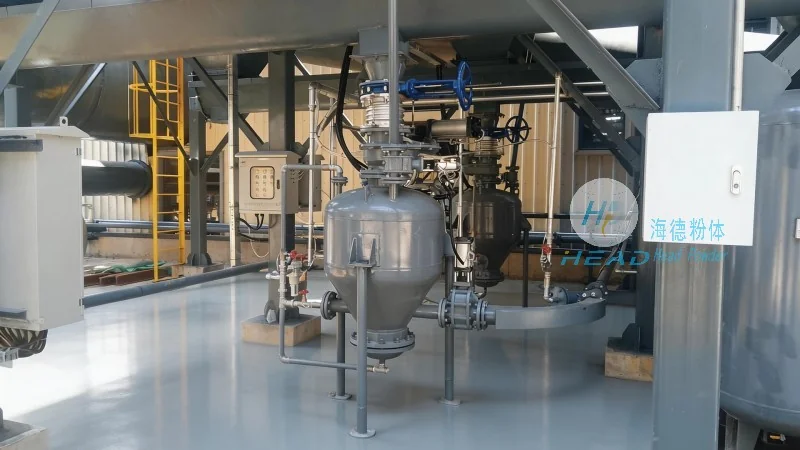
Understanding the Challenges of Ferrous Sulfate Transportation
Ferrous sulfate, often in the form of crystals or powder, has inherent properties that complicate conventional handling. Its hygroscopic nature means it can absorb moisture from the air, leading to clumping and blockages in conveyor systems. Additionally, the material may be corrosive to certain metals, requiring specialized equipment to prevent wear and degradation. These factors make it essential to adopt advanced transportation solutions that can adapt to the material's characteristics while maintaining safety and efficiency. Pneumatic conveying systems address these challenges by using air pressure to transport the material in a closed system, reducing exposure to external elements and minimizing the risk of contamination or spillage.
HeadPowder's Expertise in Pneumatic Conveying Solutions
Shandong HeadPowder Engineering Co., Ltd., a leading provider of material handling solutions, specializes in designing and implementing pneumatic conveying systems tailored to the specific needs of ferrous sulfate transportation. With years of experience in the chemical and industrial sectors, HeadPowder has developed a deep understanding of the unique demands posed by this material. The company's approach involves a comprehensive analysis of the client's operational requirements, including production capacity, distance to be covered, and existing infrastructure. This allows for the design of customized systems that optimize performance while ensuring cost-effectiveness and durability.
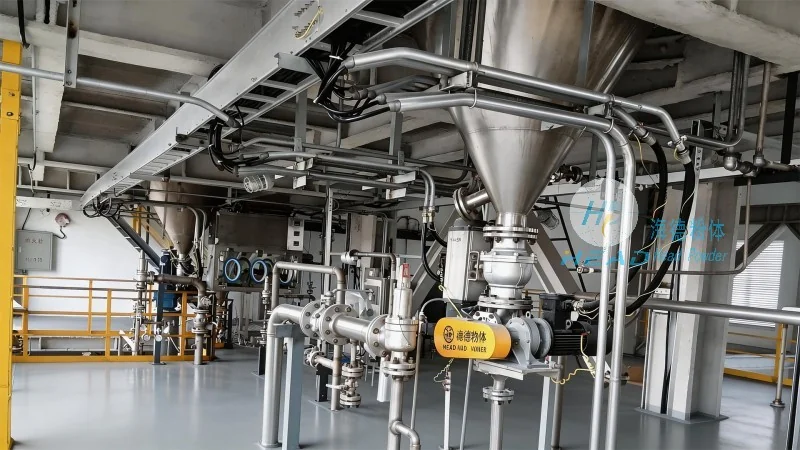
Key Features of Optimized Pneumatic Conveying Systems for Ferrous Sulfate
HeadPowder's optimized pneumatic conveying systems for ferrous sulfate incorporate several key features to enhance efficiency and reliability. Firstly, the selection of appropriate air pressure and flow rates is critical. By carefully calibrating these parameters, the system can maintain consistent material transport without causing excessive wear on components or energy consumption. Secondly, the use of high-quality materials for construction, such as corrosion-resistant alloys, ensures the longevity of the equipment and prevents material degradation. Thirdly, the integration of advanced control systems allows for real-time monitoring and adjustment of the conveying process, enabling quick responses to any changes in material flow or system performance. These features collectively contribute to a more stable and efficient operation, reducing the likelihood of interruptions and maintenance costs.
Customization and Integration with Existing Facilities
One of the strengths of HeadPowder's approach is the ability to integrate pneumatic conveying systems with existing facilities. This is particularly important for industries that may have limited space or existing infrastructure that needs to be utilized. The company works closely with clients to assess their current setup and design a system that complements rather than replaces existing equipment. This integration ensures a smooth transition and minimal disruption to ongoing operations. Additionally, HeadPowder offers post-installation support and maintenance services to ensure the system continues to operate at optimal levels over time. This commitment to long-term partnership is a key differentiator for the company in the market.

Benefits of Implementing Optimized Pneumatic Conveying for Ferrous Sulfate
The adoption of optimized pneumatic conveying technology for ferrous sulfate transportation brings numerous benefits to industrial operations. From a cost perspective, these systems can reduce labor and maintenance expenses by minimizing the need for manual handling and frequent equipment repairs. The closed system design also helps in maintaining product quality by preventing contamination and exposure to environmental factors. Furthermore, the energy efficiency of modern pneumatic conveying systems can lead to significant savings in operational costs, especially with the increasing focus on sustainability in industrial practices. From a safety standpoint, the enclosed transport reduces the risk of dust inhalation and material spills, creating a safer working environment for personnel. Overall, the implementation of such systems enhances the overall productivity and reliability of the production process, making it a worthwhile investment for any facility handling ferrous sulfate.
Conclusion
In conclusion, the application and optimization of pneumatic conveying technology represent a significant advancement in the efficient transportation of ferrous sulfate. By addressing the unique challenges posed by this material, such systems provide a reliable and cost-effective solution for industries relying on it. Shandong HeadPowder Engineering Co., Ltd. stands out in this field with its expertise in designing customized, optimized systems that meet the specific needs of clients. With a focus on quality, durability, and customer satisfaction, HeadPowder continues to be a trusted partner for businesses seeking to enhance their material handling capabilities. Based in Shandong, China, the company leverages its local presence and industry knowledge to deliver solutions that drive operational excellence and sustainable growth.