

Application and Optimization of Pneumatic Conveying Technology in Carbon Powder Conveying Design
HeadPowder, a leading engineering company based in Shandong, China, specializes in the design and implementation of advanced material handling solutions, particularly focusing on the efficient and reliable transport of carbon powders using pneumatic conveying systems. This article explores the application and optimization strategies for pneumatic conveying technology in carbon powder handling, highlighting the technical advancements and practical benefits that enhance operational efficiency and product integrity.
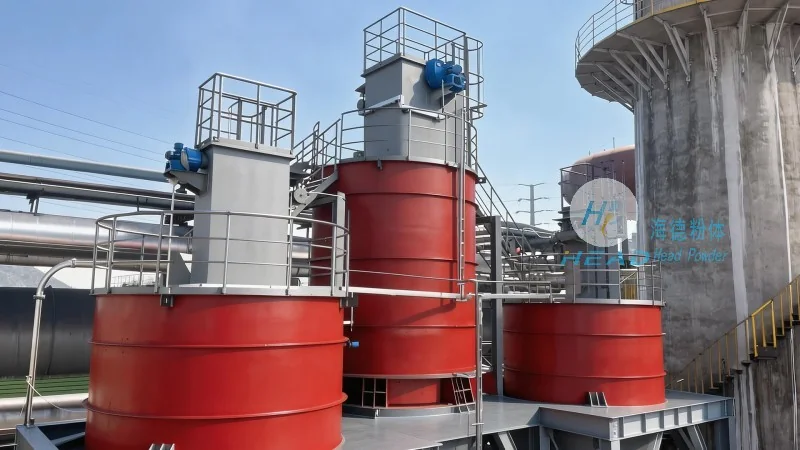
Understanding Pneumatic Conveying for Carbon Powder Transport
Pneumatic conveying is a critical method for transporting fine powders like carbon powder, which are often sensitive to handling conditions. Unlike traditional mechanical systems, pneumatic conveying uses air pressure to move materials through a pipeline, offering advantages such as reduced contamination, lower maintenance requirements, and the ability to handle materials over long distances. The technology involves creating a flow of air that entrains the powder particles, transporting them from the source to the destination. This method is particularly suitable for carbon powders due to their fine particle size and potential for dust generation, as it minimizes exposure to external contaminants and maintains the material's quality.
Key Design Considerations in Carbon Powder Conveying Systems
The successful implementation of pneumatic conveying for carbon powder transport requires careful consideration of several key design factors. First, the selection of the appropriate conveying system type—such as dilute-phase or dense-phase—is crucial. Dilute-phase systems use low air-to-material ratios, suitable for short to medium distances and lower material loads, while dense-phase systems employ higher air-to-material ratios, ideal for longer distances and higher material volumes. For carbon powders, the choice often depends on the specific application requirements, including the distance between the source and destination, the required material flow rate, and the need to maintain particle size distribution and moisture content.
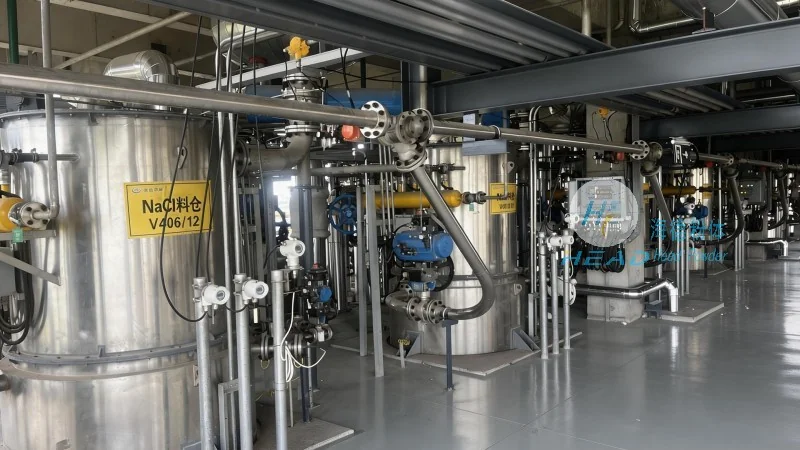
Another critical design consideration is the material's properties, including particle size, density, and moisture content. Carbon powders typically have a wide range of particle sizes, which can affect the conveying efficiency. Smaller particles may require higher air velocities to maintain suspension, while larger particles might need more robust equipment to prevent blockages. Moisture content is also a factor, as excess moisture can lead to caking or agglomeration, impacting the conveying process. HeadPowder engineers carefully analyze these properties to select the optimal equipment and system configuration.
Optimization Strategies for Pneumatic Conveying Performance
Optimizing pneumatic conveying systems for carbon powder transport involves several strategies aimed at maximizing efficiency, reducing energy consumption, and ensuring consistent material flow. One key optimization is the adjustment of air velocity and pressure. By maintaining the correct air-to-material ratio, engineers can achieve a stable flow without excessive energy use. For example, in dilute-phase systems, increasing air velocity can improve the conveying rate but may also lead to higher energy costs and increased wear on components. Conversely, dense-phase systems use lower velocities but higher pressures, which can be more energy-efficient for long-distance transport.
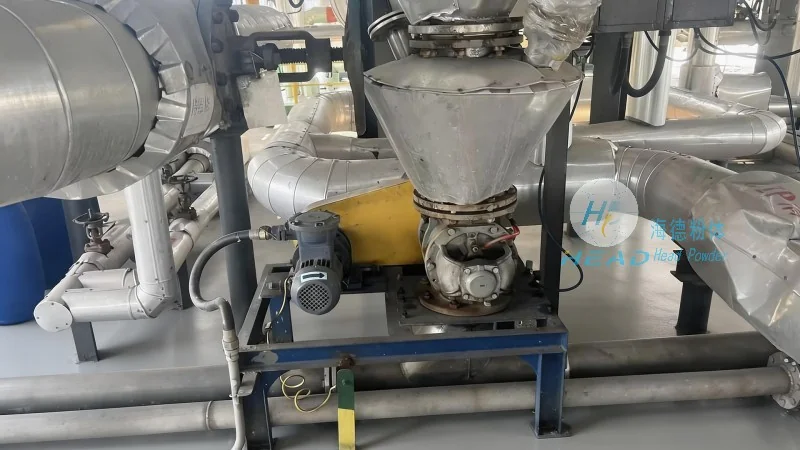
Another optimization strategy involves the use of system components that enhance material handling. This includes the selection of appropriate inlets and outlets, such as rotary valves or star feeders, which control the material flow rate and prevent blockages. The use of cyclone separators or filters is also essential to separate the powder from the air stream, ensuring that the material is delivered to the destination without loss or contamination. HeadPowder's expertise in system design allows for the integration of these components to create a seamless conveying process that meets the specific needs of carbon powder applications.
Benefits of Advanced Pneumatic Conveying Solutions
The application of optimized pneumatic conveying technology in carbon powder transport offers numerous benefits for industrial operations. First, it improves operational efficiency by reducing downtime and maintenance costs. By minimizing blockages and wear on equipment, the system operates more reliably, leading to consistent production output. Second, it enhances product quality by maintaining the carbon powder's integrity. The enclosed system prevents contamination from external sources, such as moisture or other materials, and preserves the particle size distribution and moisture content, which are critical for downstream processes like sintering or mixing.
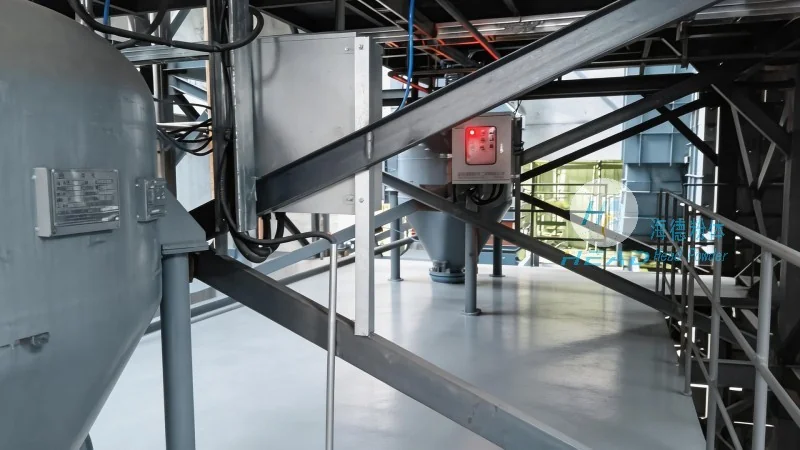
Additionally, pneumatic conveying systems offer flexibility in material handling. They can be easily integrated into existing production lines and adapted to changing production demands. The ability to transport materials over long distances without the need for intermediate storage or handling points simplifies the overall process flow. For companies in the carbon powder industry, this translates to improved productivity and reduced operational costs, making pneumatic conveying a cost-effective solution for material transport.
Conclusion and Future Directions
As the demand for efficient and reliable material handling solutions in the carbon powder industry grows, the application and optimization of pneumatic conveying technology remain a critical focus. HeadPowder, with its expertise in engineering and material handling, continues to develop advanced systems that address the unique challenges of carbon powder transport. By leveraging the latest technology and design principles, companies can enhance their operational efficiency, maintain product quality, and reduce costs. The future of carbon powder conveying lies in the continued innovation of pneumatic systems, with a focus on sustainability, energy efficiency, and adaptability to evolving industrial needs. For businesses seeking to optimize their material handling processes, pneumatic conveying remains a proven and effective solution.