

Long - Distance Pneumatic Conveying System for Polyolefins
Long - distance pneumatic conveying systems represent a critical technology in the modern handling and transportation of polyolefin materials. These systems are essential for industries that require efficient, reliable, and safe transfer of polyolefins over extended distances, such as from production facilities to storage or processing sites. The design and implementation of such systems involve sophisticated engineering to ensure optimal performance, minimal material degradation, and adherence to safety standards.
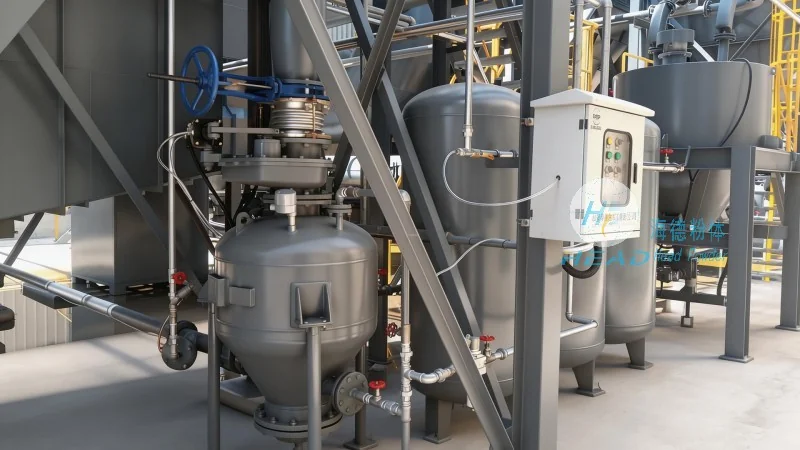
HeadPowder Engineering: A Leader in Polyolefin Conveying Solutions
Shandong HeadPowder Engineering Co., Ltd., commonly known as HeadPowder, is a prominent engineering firm specializing in the design, manufacturing, and installation of advanced pneumatic conveying systems. With a strong focus on innovation and customer - centric solutions, HeadPowder has established itself as a trusted partner for businesses operating in the polyolefin sector. The company's expertise lies in tailoring systems that meet the unique requirements of each client, whether it's for bulk material handling, process integration, or compliance with industry regulations.
Key Features of Polyolefin Pneumatic Conveying Systems
The core of a long - distance polyolefin pneumatic conveying system is its ability to transport materials efficiently through a network of pipes using air pressure. Key features include high - capacity conveying capabilities, which allow for the movement of large volumes of polyolefin powders or granules over distances of several kilometers. The systems are designed with materials that are compatible with polyolefins, ensuring that the material does not come into contact with components that could cause contamination or degradation. Additionally, advanced control systems are integrated to manage the flow rate, pressure, and other parameters, providing precise control over the conveying process.
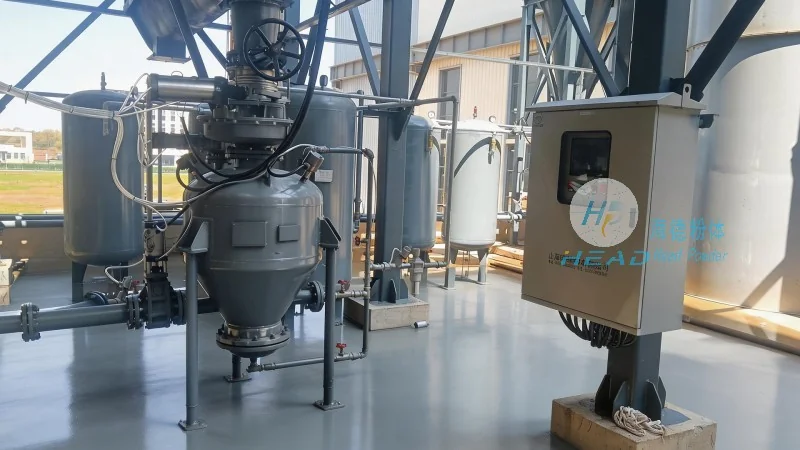
Advantages of Using Pneumatic Conveying for Polyolefins
Compared to traditional methods like belt conveyors or screw conveyors, pneumatic conveying offers several advantages when handling polyolefins. One of the primary benefits is the reduction in material degradation, as the material is not subjected to mechanical stress or friction during transport. This is particularly important for polyolefins, which can be sensitive to handling conditions. Another advantage is the ability to handle materials in a closed system, minimizing dust emissions and improving workplace safety. Furthermore, pneumatic conveying systems can be easily integrated into existing production lines, allowing for seamless expansion or modification of the handling infrastructure.
Customization and Integration Capabilities
HeadPowder Engineering understands that each polyolefin application has distinct requirements. Therefore, the company offers comprehensive customization options to ensure that the conveying system is perfectly matched to the specific needs of the client. This includes the selection of appropriate air velocities, pipe diameters, and material handling equipment. The engineering team at HeadPowder works closely with clients to assess their operational needs, process parameters, and space constraints, developing a tailored solution that maximizes efficiency and minimizes operational costs. The company also provides integration services, ensuring that the new conveying system works in harmony with existing production equipment and control systems.
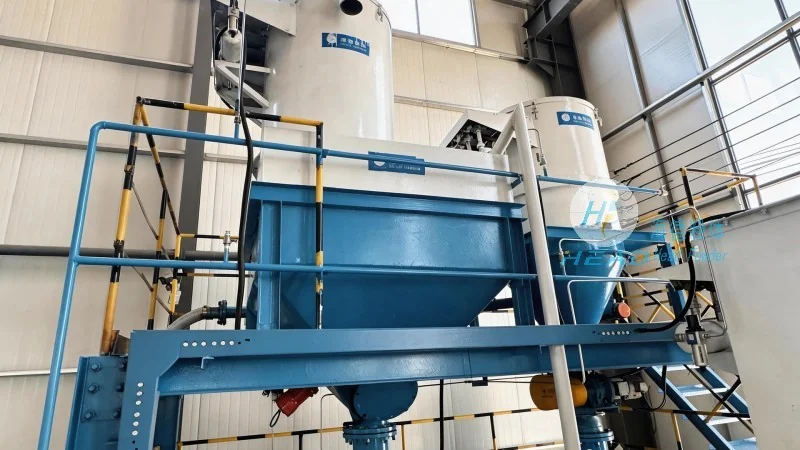
Quality Assurance and Compliance
At HeadPowder Engineering, quality is a top priority. The company adheres to stringent quality control standards throughout the design, manufacturing, and installation phases of the pneumatic conveying systems. This includes the use of high - quality materials, rigorous testing procedures, and adherence to industry standards such as those from the American Society of Mechanical Engineers (ASME) and the International Organization for Standardization (ISO). The systems are also designed to meet environmental regulations, with features that reduce energy consumption and minimize the environmental impact of the conveying process. This commitment to quality and compliance ensures that clients receive reliable and durable equipment that meets their long - term operational needs.
Conclusion: Enhancing Polyolefin Handling with Advanced Pneumatic Systems
Long - distance pneumatic conveying systems are a vital component in the efficient and safe handling of polyolefin materials. By leveraging advanced engineering and customization capabilities, companies like Shandong HeadPowder Engineering Co., Ltd. are able to provide solutions that address the unique challenges of polyolefin transportation. The benefits of these systems, including reduced material degradation, improved safety, and enhanced operational efficiency, make them an attractive choice for businesses in the polyolefin industry. As the demand for polyolefins continues to grow, the role of advanced conveying systems will become increasingly important in meeting the needs of modern manufacturing and processing operations.