

Calcium Hydroxide Powder Pneumatic Conveying: Working Principle and Classification Applications
Shandong HeadPowder Engineering Co., Ltd., based in Shandong, China, specializes in the design, manufacturing, and application of pneumatic conveying systems for various industrial powders, including calcium hydroxide. The company's expertise lies in optimizing material handling processes to enhance efficiency and reliability in industrial operations.
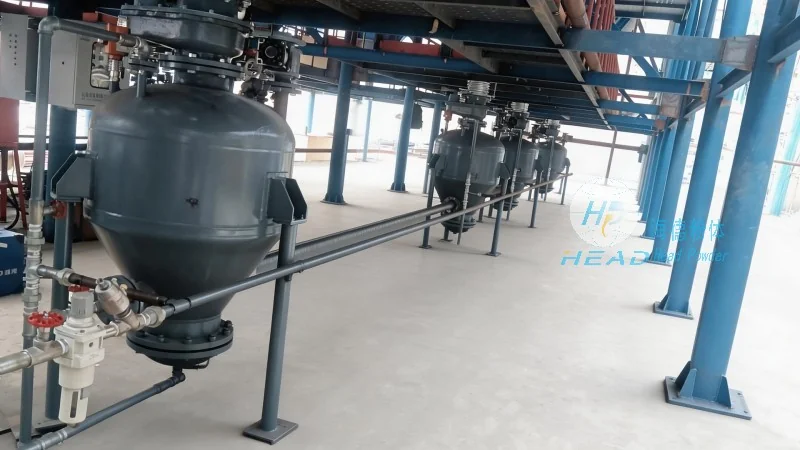
Working Principle of Calcium Hydroxide Powder Pneumatic Conveying
Pneumatic conveying systems for calcium hydroxide powder operate by utilizing air or gas as the conveying medium to transport the powder from a source to a destination. The process typically involves a combination of positive and negative pressure systems, depending on the specific application requirements. In positive pressure systems, air is blown into the conveying line, creating a pressure higher than the ambient air, which propels the powder forward. Negative pressure systems, on the other hand, use suction to draw the powder into the system. The choice between these systems depends on factors such as the powder's properties, the distance to be conveyed, and the environmental considerations of the facility.
Key components in a pneumatic conveying system for calcium hydroxide include the material hopper, which holds the powder and provides a consistent feed; the conveyor line, which transports the powder; the air or gas source, which provides the necessary pressure or suction; and the receiver, where the powder is deposited. The system may also incorporate additional components such as filters to prevent dust emissions, valves to control flow, and cyclones or separators to separate the powder from the conveying medium. The efficiency of the system is influenced by factors like the air velocity, the size and shape of the powder particles, and the length of the conveyor line. Proper design and maintenance of these components are crucial to ensure smooth and reliable operation, minimizing downtime and material loss.
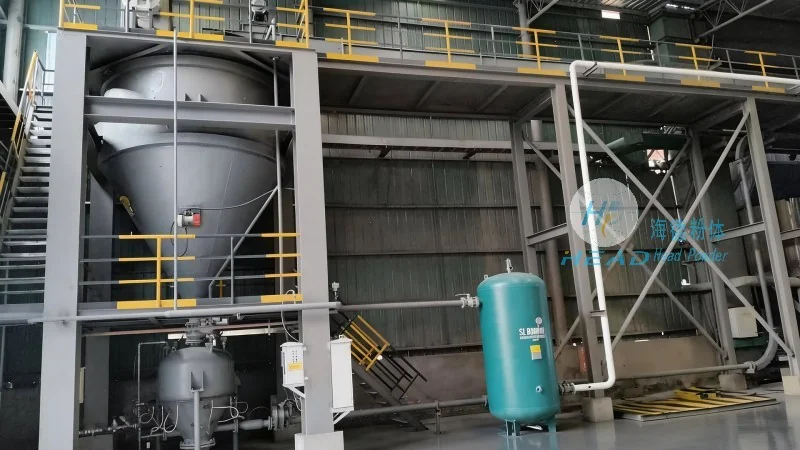
Classification and Application of Calcium Hydroxide Powder Pneumatic Conveying
The application of calcium hydroxide powder pneumatic conveying systems can be classified into several categories based on the specific industrial processes and the characteristics of the powder being handled. The primary classifications include dense phase conveying, dilute phase conveying, and hybrid systems.
Dense phase conveying, also known as low velocity conveying, is suitable for handling fine powders like calcium hydroxide that are prone to segregation or abrasion. In this method, the powder is conveyed at a low velocity with a high solids concentration, typically 10-20% by volume. This approach minimizes particle degradation and reduces the risk of blockages in the system. Dense phase conveying is commonly used in applications where the powder needs to be delivered gently, such as in food processing, pharmaceuticals, and chemical manufacturing.
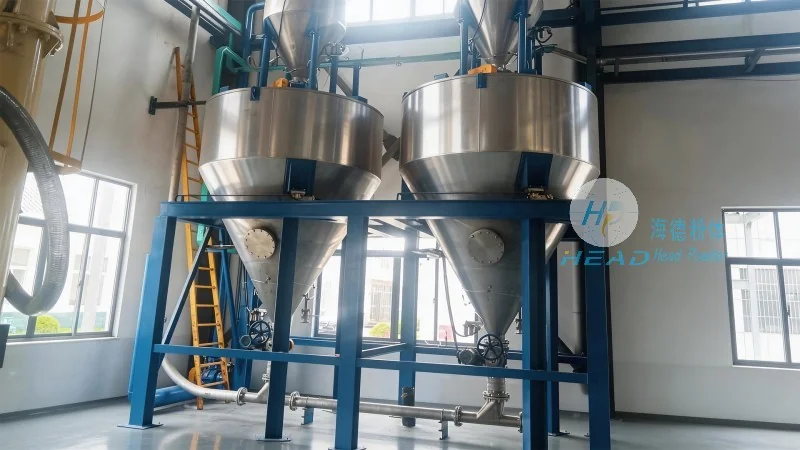
Dilute phase conveying, or high velocity conveying, operates at higher air velocities and lower solids concentrations, typically 1-5% by volume. This method is suitable for longer conveying distances and for powders that are less sensitive to particle degradation. Dilute phase systems are often used in applications where the powder needs to be transported quickly, such as in mining, cement production, and bulk material handling. The high velocity air helps to maintain the flow of the powder and prevent clogging in the conveyor line.
Hybrid systems combine elements of both dense and dilute phase conveying, offering flexibility in handling different types of powders and varying process requirements. These systems may use a combination of low and high velocity air to optimize the conveying process, ensuring efficient material transport while minimizing energy consumption and equipment wear.
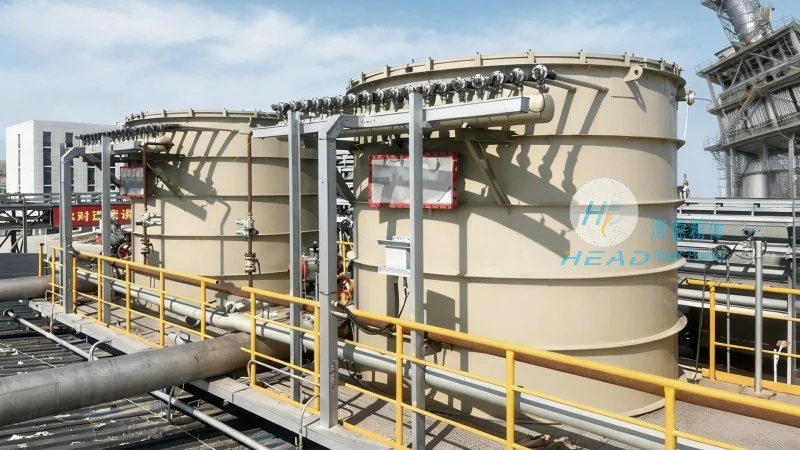
Applications of calcium hydroxide powder pneumatic conveying systems span across various industries. In the construction industry, calcium hydroxide is used as a component in cement and concrete production, and the conveying systems are essential for transporting the powder from storage silos to mixing plants. In the chemical industry, calcium hydroxide is used in the production of lime and other chemical products, and the systems help to move the powder between processing stages efficiently. The food and pharmaceutical industries also utilize calcium hydroxide in the production of food additives and supplements, where the conveying systems must meet stringent hygiene and safety standards. The ability to handle calcium hydroxide powder in a controlled and efficient manner is critical to the success of these industrial processes, and the choice of the appropriate pneumatic conveying system is a key factor in optimizing material handling operations.
Conclusion
Shandong HeadPowder Engineering Co., Ltd. provides comprehensive solutions for calcium hydroxide powder pneumatic conveying, combining advanced technology with practical application expertise. By understanding the working principles and classification applications of these systems, industrial operators can select the most suitable conveying method to meet their specific needs, ensuring efficient, reliable, and cost-effective material handling. The company's commitment to quality and innovation in pneumatic conveying systems has made it a trusted partner for businesses seeking to enhance their material transport processes in the calcium hydroxide industry.