

Principle and Classification Application of Wood Fiber Pneumatic Conveying
Wood fiber pneumatic conveying is a key technology in material handling, particularly for transporting wood fibers efficiently and safely. This article provides an overview of its working principles, classification, and practical applications, highlighting the expertise of Shandong HeadPowder Engineering Co., Ltd. as a leading provider in the field.
Introduction to Wood Fiber Pneumatic Conveying Systems
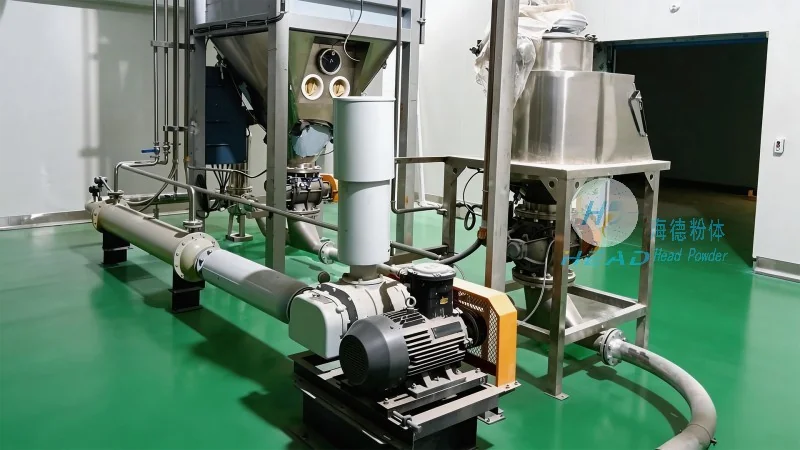
Wood fiber pneumatic conveying systems utilize air as the primary medium to transport wood fibers from one location to another. This method offers several advantages over traditional mechanical conveying, including reduced equipment wear, lower maintenance costs, and the ability to handle delicate or dusty materials without causing degradation. The core principle involves creating a pressure differential that propels the wood fibers through a pipeline using compressed air or vacuum.
Working Principle of Pneumatic Conveying for Wood Fibers
The operation of wood fiber pneumatic conveying systems can be broken down into several key steps. First, the wood fibers are introduced into the conveying line, either by gravity or with the aid of a feeder. Next, compressed air is introduced into the system, creating a flow that lifts and moves the fibers. The air velocity must be sufficient to overcome the gravitational force and friction within the pipeline, ensuring stable transport. The system typically includes components such as a hopper, feeder, pipeline, and receiver, each playing a critical role in the overall process. Shandong HeadPowder Engineering Co., Ltd. specializes in designing and manufacturing these components to ensure optimal performance and reliability for wood fiber applications.
Classification of Pneumatic Conveying Systems for Wood Fibers
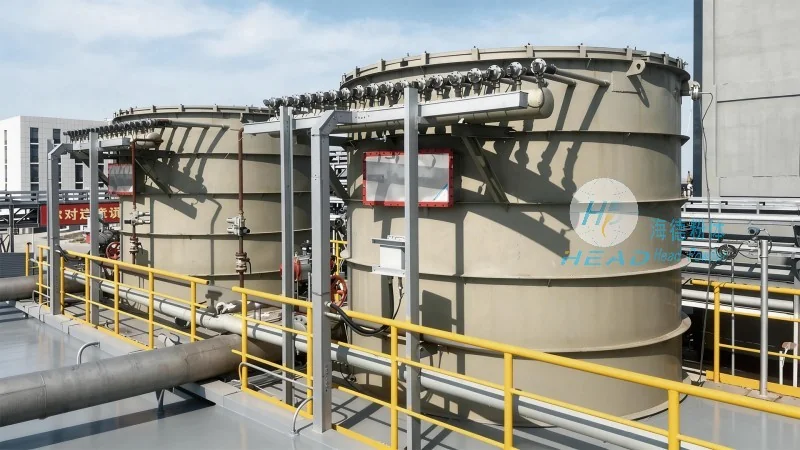
Pneumatic conveying systems for wood fibers are classified based on the air flow direction and pressure differentials. The two main categories are pressure systems and vacuum systems. Pressure systems operate by blowing air into the pipeline, creating positive pressure that pushes the material forward. These systems are suitable for short to medium distances and can handle a wide range of fiber types. Vacuum systems, on the other hand, use a vacuum to draw the material into the pipeline, making them ideal for longer distances or when the material needs to be collected from multiple sources. Additionally, there are hybrid systems that combine both pressure and vacuum components to achieve the best results for specific applications. Shandong HeadPowder Engineering Co., Ltd. offers customized solutions tailored to the specific classification requirements of their clients, ensuring efficient and cost-effective wood fiber transport.
Applications of Wood Fiber Pneumatic Conveying
The applications of wood fiber pneumatic conveying are diverse and span multiple industries. In the pulp and paper industry, these systems are used to transport wood chips and fibers from storage to processing facilities, improving production efficiency. In the woodworking and furniture manufacturing sectors, they help move sawdust, shavings, and other wood waste materials for recycling or disposal. The technology is also employed in the production of wood-based panels, such as particleboard and fiberboard, where consistent fiber feed is crucial for quality control. Furthermore, in the agricultural and biomass energy sectors, wood fiber pneumatic conveying systems are used to transport raw materials for biofuel production, contributing to sustainable energy solutions. Shandong HeadPowder Engineering Co., Ltd. has extensive experience in implementing these systems across various applications, delivering reliable and efficient solutions that meet the unique needs of each client.
Advantages and Considerations in Wood Fiber Pneumatic Conveying
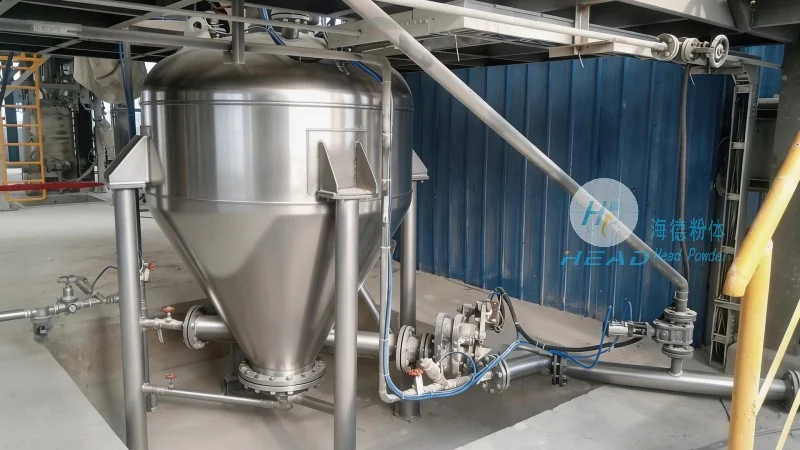
Wood fiber pneumatic conveying offers several advantages over traditional methods. It reduces the risk of material contamination, as the system is enclosed and prevents exposure to external elements. The enclosed design also minimizes dust emissions, improving workplace safety and environmental compliance. Additionally, the system can handle a wide variety of wood fiber types, including softwoods and hardwoods, without causing damage or degradation. However, there are also considerations to keep in mind. The air velocity must be carefully controlled to prevent material deposition or blockages in the pipeline. The system also requires regular maintenance to ensure optimal performance, particularly in components like the feeder and pipeline. Shandong HeadPowder Engineering Co., Ltd. provides comprehensive support, including maintenance services and technical expertise, to help clients maximize the benefits of their wood fiber pneumatic conveying systems while minimizing operational challenges.
Conclusion and Company Overview
Wood fiber pneumatic conveying is a vital technology for efficient and safe material handling in the wood processing industry. By understanding the working principles, classification, and applications of these systems, businesses can make informed decisions to improve their operations. Shandong HeadPowder Engineering Co., Ltd. stands as a trusted partner in this field, offering expert design, manufacturing, and support for wood fiber pneumatic conveying systems. With their commitment to quality and customer satisfaction, they help clients achieve efficient, reliable, and cost-effective wood fiber transport solutions. Based in Shandong, China, the company leverages its local expertise and resources to deliver tailored solutions that meet the specific needs of their clients, contributing to the advancement of the wood processing industry.