

Analysis of the Air-Driven Transport System for Precipitated Barium Sulfate
For industrial applications requiring efficient and reliable handling of precipitated barium sulfate, the air-driven transport system offers a sophisticated solution. This system is designed to address the challenges of material transport in high-purity environments, ensuring minimal contamination and optimal performance. Developed by Shandong HeadPowder Engineering Co., Ltd., a leading manufacturer in powder processing technology, the system integrates advanced engineering principles to meet the stringent demands of modern industrial processes.
System Components and Working Principle
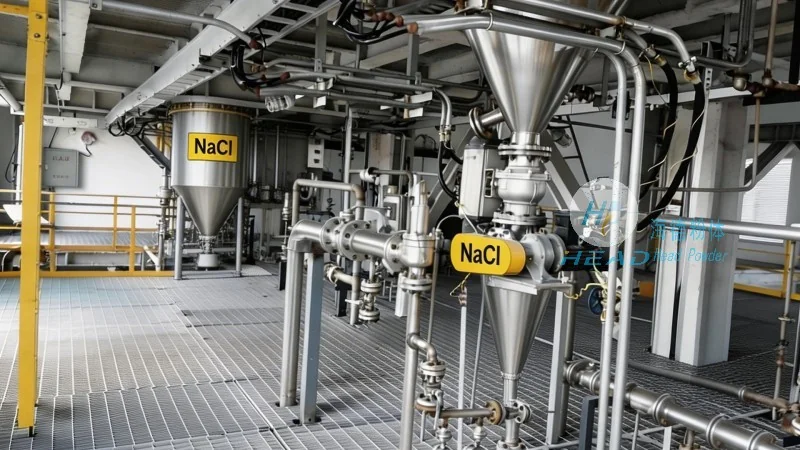
The air-driven transport system for precipitated barium sulfate consists of several key components that work in concert to facilitate material movement. The primary elements include a hopper for material storage, a rotary airlock or feeder to control the flow rate, a pipeline system for conveying the material, and a receiver or discharge unit. The system operates by utilizing compressed air to create a pressure differential that propels the powder through the pipeline. This pneumatic method eliminates the need for mechanical conveyors, reducing wear and tear on equipment while maintaining consistent material flow rates. The rotary airlock ensures a controlled, continuous feed from the hopper, preventing backflow and maintaining a stable pressure within the system. The pipeline is typically made of materials resistant to chemical corrosion, such as stainless steel or special plastic composites, to protect the material from contamination and ensure durability.
Advantages of the Air-Driven Transport System
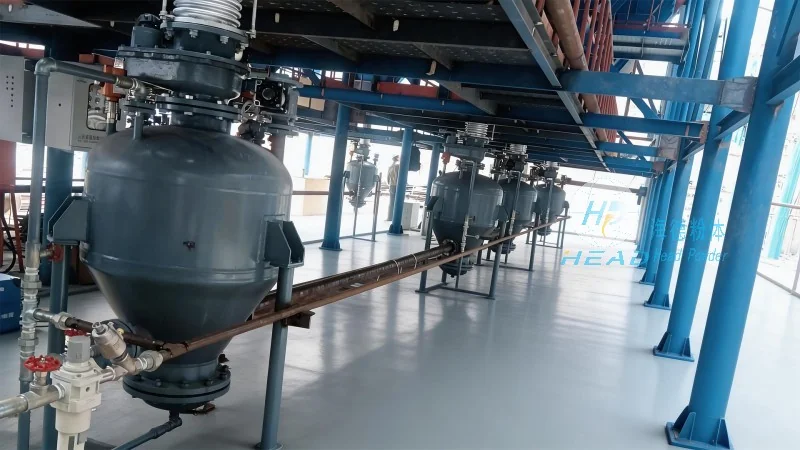
One of the key advantages of the air-driven transport system is its ability to handle fine powders like precipitated barium sulfate without causing agglomeration or degradation. The pneumatic conveying method minimizes particle breakage, preserving the material's quality and purity. This is particularly critical in applications where the barium sulfate is used in pharmaceuticals, coatings, or other high-value industries where particle size and uniformity are essential. Additionally, the system offers flexibility in terms of layout, allowing for horizontal, vertical, or inclined transport paths, which can be tailored to the specific requirements of the facility. The reduced need for mechanical parts also leads to lower maintenance costs and longer equipment lifespan. Furthermore, the system can be integrated with other processing equipment, such as mixers or reactors, to create a seamless production line, enhancing overall operational efficiency.
Application Scenarios and Performance Metrics
The air-driven transport system is widely used in various industrial settings where precipitated barium sulfate is processed. Common applications include the production of pigments, coatings, and pharmaceutical excipients. In these scenarios, the system's performance is measured by factors such as material flow rate, conveying distance, and pressure drop. Shandong HeadPowder Engineering Co., Ltd. has optimized the system to achieve high flow rates, typically ranging from 10 to 50 tons per hour, depending on the specific configuration. The conveying distance can reach several hundred meters, making it suitable for large-scale facilities. The pressure drop across the system is minimized through the use of smooth pipelines and appropriate air velocities, ensuring energy efficiency and reduced operational costs. The system also maintains a low level of dust generation, contributing to a safer working environment and easier maintenance.
Customization and After-Sales Support
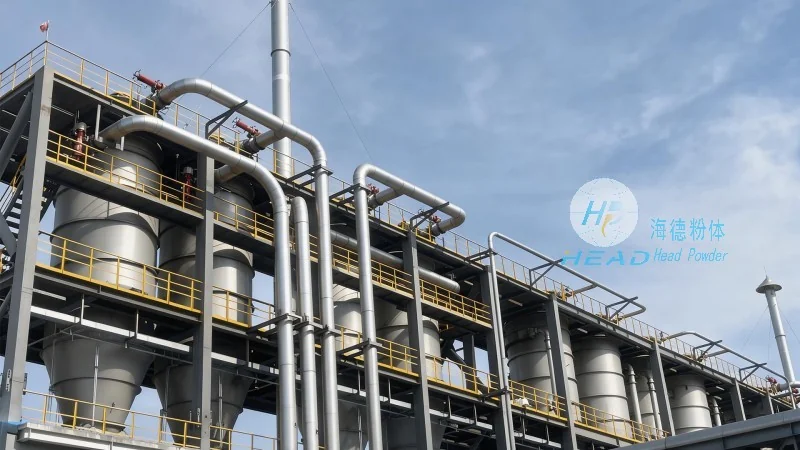
Shandong HeadPowder Engineering Co., Ltd. understands that each industrial application has unique requirements. Therefore, the air-driven transport system is customizable to meet specific needs. Customers can choose from different hopper sizes, pipeline diameters, and air pressure levels to suit their production volumes and space constraints. The company provides detailed engineering support, including process design and system integration, to ensure the optimal solution for each client. After the system is installed, the company offers comprehensive after-sales support, including training for operators, regular maintenance services, and technical assistance. This commitment to customer satisfaction ensures that the system operates at peak performance throughout its lifecycle.