

Analysis of Inorganic Salt Crystal Pneumatic Conveying Systems
Inorganic salt crystals, such as sodium chloride, potassium chloride, and various industrial salts, are widely used in multiple sectors including chemical production, food processing, and pharmaceutical manufacturing. The efficient and reliable transport of these materials is essential for maintaining production efficiency and product quality. Pneumatic conveying systems have emerged as a preferred method for handling inorganic salt crystals due to their ability to transport bulk materials in a closed system, minimizing contamination and material degradation. This article provides a detailed analysis of the design, functionality, and practical applications of pneumatic conveying systems specifically tailored for inorganic salt crystals, highlighting key considerations for industrial users.
About Shandong HeadPowder Engineering Co., Ltd.
HeadPowder, the company behind the advanced pneumatic conveying solutions discussed in this article, is a leading enterprise specializing in material handling equipment. HeadPowder, with its headquarters in Shandong, China, has built a strong reputation for delivering high-quality, customized systems that meet the diverse needs of industrial clients. The company's commitment to innovation, precision engineering, and customer satisfaction has positioned it as a trusted partner in the material handling industry. HeadPowder's team of experienced engineers and technicians leverages years of expertise to design and manufacture pneumatic conveying systems that ensure optimal performance, durability, and safety for transporting inorganic salt crystals and other bulk materials.
Core Components and Operational Principles
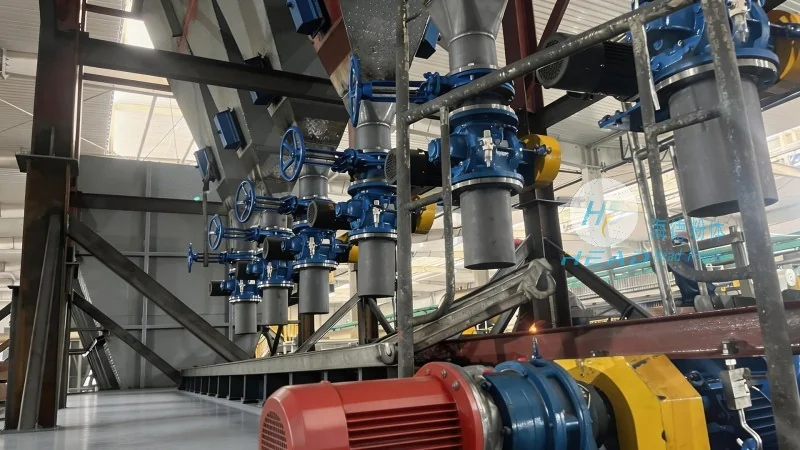
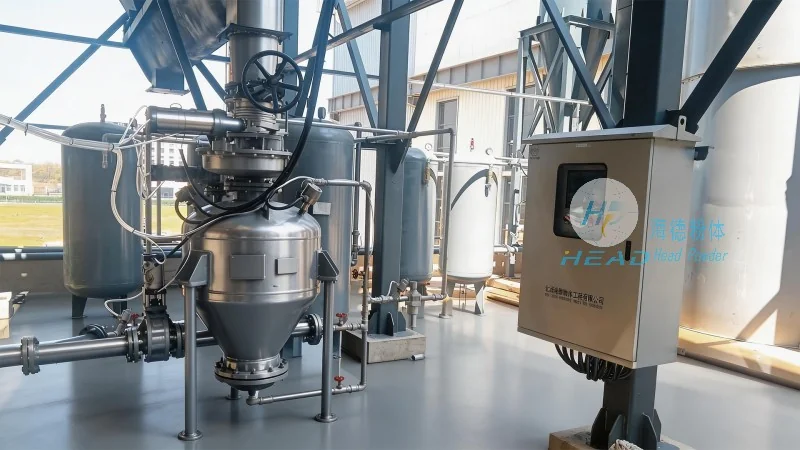
The pneumatic conveying system for inorganic salt crystals consists of several critical components that work in tandem to achieve efficient material transport. The primary components include a material feed hopper, a conveying pipeline, an air compressor, and a control system. The material feed hopper is designed to store and feed the inorganic salt crystals into the system at a controlled rate, preventing overloading and ensuring consistent flow. The conveying pipeline, typically made of corrosion-resistant materials such as stainless steel or polyethylene, transports the material using compressed air. The air compressor generates the necessary pressure to move the material through the pipeline, while the control system monitors and adjusts air pressure and flow rates to maintain optimal performance. The system operates on the principle of pneumatic transport, where the material is suspended in a stream of air and carried to the destination point. This method allows for the efficient movement of materials over long distances without the need for mechanical conveyors, reducing wear and tear on equipment and minimizing the risk of material contamination.
Advantages of Pneumatic Conveying for Inorganic Salt Crystals
Compared to traditional mechanical conveying methods, pneumatic conveying systems offer several distinct advantages when handling inorganic salt crystals. One of the most significant benefits is the ability to transport materials in a closed system, which prevents exposure to dust, moisture, and other contaminants. This is particularly important for inorganic salt crystals, as contamination can affect their purity and usability in downstream processes. Additionally, pneumatic conveying minimizes material degradation, such as clumping or breakage, which is common in mechanical systems due to friction and impact. The system's flexibility allows for the integration of multiple feeding and discharge points, enabling complex material handling layouts without the need for extensive reconfiguration. Furthermore, pneumatic conveying systems are generally more energy-efficient than mechanical alternatives, as they can transport materials over longer distances with lower power consumption. The compact design of the system also reduces floor space requirements, making it suitable for installations in confined areas.
Design Considerations and Customization
The successful implementation of a pneumatic conveying system for inorganic salt crystals requires careful consideration of several design factors. The first consideration is the material properties of the inorganic salt crystals, including particle size, density, moisture content, and abrasiveness. These properties influence the selection of pipeline diameter, air pressure, and material feed rate to ensure efficient transport without causing excessive wear on components. For example, finer particles may require higher air velocities to prevent clogging, while larger, more abrasive particles may need thicker pipeline walls and specialized material handling equipment. Another critical factor is the system's capacity and throughput requirements, which determine the size of the air compressor and the diameter of the conveying pipeline. HeadPowder offers customized solutions tailored to specific operational needs, allowing clients to adjust system parameters such as air pressure, material feed rate, and pipeline length to achieve optimal performance. The company's engineering team works closely with clients to analyze their material handling requirements and design a system that meets their unique specifications, ensuring maximum efficiency and reliability.
Application Examples and Case Studies
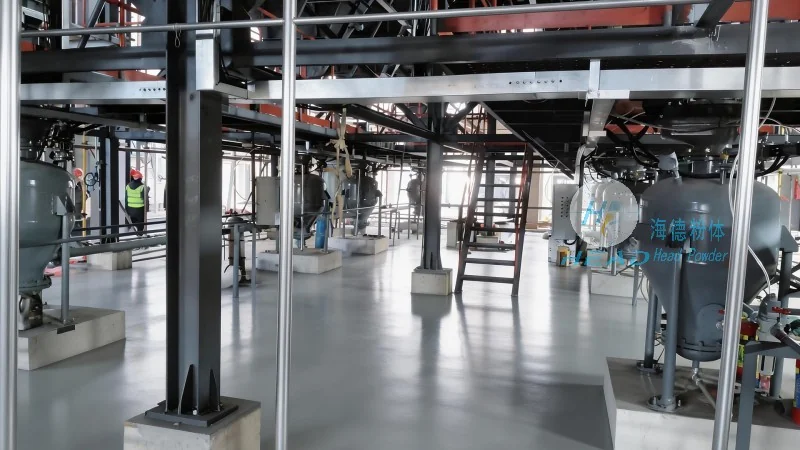
Pneumatic conveying systems for inorganic salt crystals are widely used in various industrial applications. One common application is in chemical manufacturing, where sodium chloride or potassium chloride is transported from storage silos to processing units. The system ensures that the material is delivered in a controlled manner, maintaining consistent quality and preventing contamination. In the food processing industry, such systems are used to transport salt for seasoning and preservation, where hygiene and product purity are paramount. The closed system design of the pneumatic conveyor minimizes the risk of cross-contamination and ensures that the salt remains free from external pollutants. In the pharmaceutical industry, the system is employed to transport raw materials like calcium carbonate or other inorganic salts used in drug formulations. The precision and reliability of the pneumatic conveying system are crucial in maintaining the integrity of pharmaceutical products, as any contamination or degradation can have serious implications for product safety and efficacy. HeadPowder has successfully implemented pneumatic conveying systems in numerous projects across these industries, demonstrating the system's effectiveness and adaptability.
Maintenance and Operational Best Practices
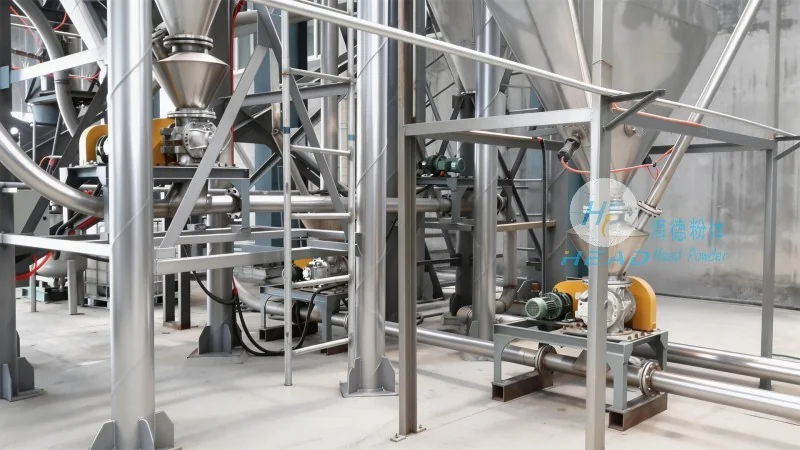
To ensure the long-term performance and reliability of a pneumatic conveying system for inorganic salt crystals, regular maintenance and adherence to operational best practices are essential. HeadPowder recommends a proactive maintenance schedule that includes routine inspections of key components such as the air compressor, pipeline, and material feed hopper. Regular cleaning of the pipeline and filter systems is crucial to prevent clogging and maintain air flow efficiency. The air compressor should be checked for proper lubrication and pressure levels to ensure consistent performance. Additionally, monitoring the system's pressure and flow rates during operation helps identify any potential issues early on, allowing for timely repairs and minimizing downtime. Proper training of operational personnel is also important, as they need to understand the system's controls and safety features to operate it effectively. HeadPowder provides comprehensive after-sales support, including maintenance services and technical guidance, to help clients maintain their systems in optimal condition. By following these best practices, industrial users can maximize the lifespan of their pneumatic conveying systems and ensure consistent, high-quality material transport for inorganic salt crystals.
Future Trends and Innovations
As technology advances, the pneumatic conveying systems for inorganic salt crystals are evolving to meet the changing needs of the industry. One emerging trend is the integration of automation and digital control systems, which allow for real-time monitoring and adjustment of system parameters. This enables more precise control over material flow and pressure, improving efficiency and reducing energy consumption. Another innovation is the use of advanced materials in pipeline construction, such as high-strength polymers and corrosion-resistant alloys, which enhance durability and reduce maintenance requirements. The development of more energy-efficient air compressors, such as variable-speed models, further contributes to the system's sustainability. Additionally, the adoption of predictive maintenance technologies, which use data analytics to forecast equipment failures, helps minimize unexpected downtime and optimize maintenance schedules. HeadPowder is at the forefront of these innovations, continuously investing in research and development to enhance the performance and reliability of its pneumatic conveying systems. The company's commitment to staying ahead of industry trends ensures that its clients benefit from the latest advancements in material handling technology.