

Classification and Composition of Soybean Meal Pneumatic Conveying Systems
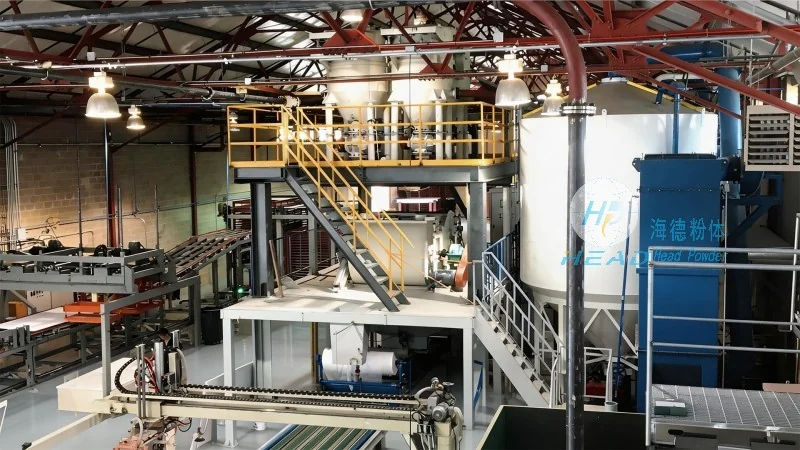
For industries dealing with soybean meal, the selection and understanding of pneumatic conveying systems are critical to operational efficiency and material handling. The systems used for transporting soybean meal can be categorized based on their operational principles and design features, each tailored to specific processing needs and material characteristics. This article explores the primary classifications of soybean meal pneumatic conveying systems and outlines their key components, providing a comprehensive overview for professionals in the agricultural and food processing sectors.
Classification of Soybean Meal Pneumatic Conveying Systems
Soybean meal pneumatic conveying systems are typically classified into two main categories: pressure and vacuum systems. Pressure systems operate by forcing air or a carrier gas through a pipeline under positive pressure, while vacuum systems create a negative pressure environment to draw material into the system. Each type has distinct advantages and is suitable for different applications based on factors such as material flow rate, distance, and system layout.
Key Components of Soybean Meal Pneumatic Conveying Systems
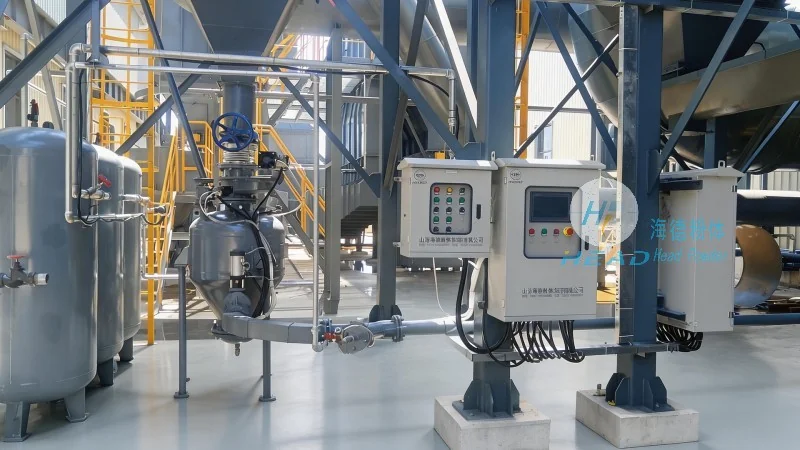
The core components of a soybean meal pneumatic conveying system work in concert to ensure reliable and efficient material transport. These components include the feed hopper, which holds the soybean meal and provides a controlled discharge into the system; the conveyor line, which consists of pipes and fittings that transport the material and air mixture; the air compressor or vacuum pump, which generates the necessary pressure or vacuum; and the separation and collection equipment, such as cyclones or filters, which separate the material from the air stream for discharge.
Feed Hopper and Material Handling
The feed hopper is a critical component for maintaining consistent material flow in soybean meal pneumatic conveying systems. It is designed to store the soybean meal and provide a controlled discharge mechanism, often using a rotary valve or screw feeder to regulate the material feed rate. Proper design of the hopper prevents material bridging and ensures a steady supply to the conveyor line, which is essential for maintaining system performance and preventing interruptions. The hopper may also include features like level sensors to monitor material levels and alert operators when refilling is needed.
Conveyor Line and Pipeline Design
The conveyor line, composed of pipes and fittings, is the backbone of the pneumatic conveying system. For soybean meal, which is a fine powder with specific flow characteristics, the pipeline design must consider factors such as material density, moisture content, and potential for caking or blockage. Stainless steel or other corrosion-resistant materials are commonly used for the pipeline to withstand the abrasive nature of soybean meal and prevent contamination. The pipeline layout is carefully planned to minimize pressure drops and ensure smooth material transport, often incorporating bends, elbows, and straight sections that are optimized for the system's operating pressure and flow rate.
Air Compressor and Vacuum Systems
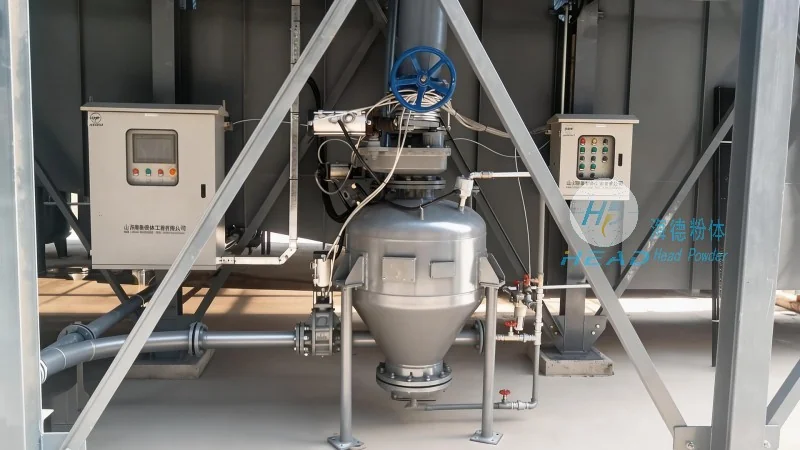
In pressure pneumatic conveying systems, an air compressor generates the necessary positive pressure to move the soybean meal through the pipeline. The compressor's capacity and pressure rating are matched to the system's requirements, ensuring sufficient airflow to maintain material suspension and prevent clogging. For vacuum systems, a vacuum pump creates a negative pressure environment that draws the material into the system. Both types of systems may incorporate air filters and moisture separators to maintain air quality and prevent contamination of the soybean meal. The choice between pressure and vacuum systems depends on factors such as the distance to be covered, the volume of material to be transported, and the layout of the processing facility.
Separation and Collection Equipment
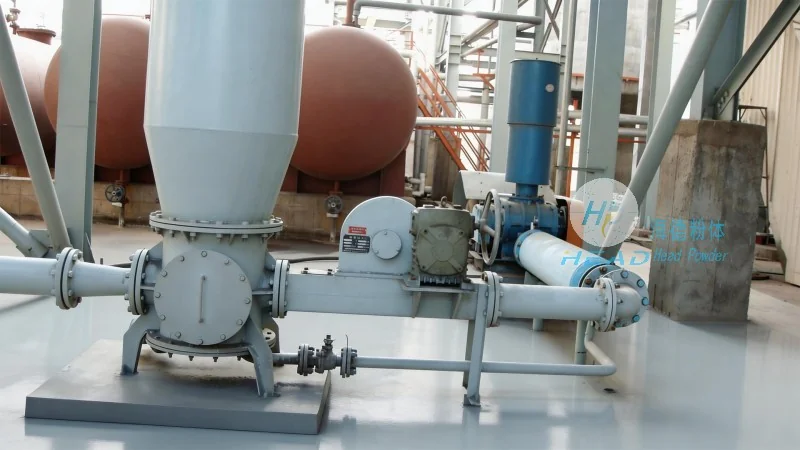
At the end of the conveying line, separation and collection equipment are used to separate the soybean meal from the air stream and collect it in a designated container. Cyclones are commonly used for this purpose, as they effectively separate particles from the gas by utilizing centrifugal force. The separated material is then discharged into a storage bin or processing vessel, while the clean air is either recirculated or vented to the atmosphere. In some systems, additional filtration or drying steps may be included to further improve the quality of the soybean meal and ensure compliance with industry standards. The design of the separation equipment is critical to maintaining the purity of the material and preventing loss or contamination during the conveying process.
System Integration and Operational Considerations
Effective operation of a soybean meal pneumatic conveying system requires careful integration of all components and adherence to operational best practices. Regular maintenance of the air compressor, pipeline, and separation equipment is essential to prevent breakdowns and ensure long-term reliability. Operators must monitor system performance parameters, such as pressure, flow rate, and material levels, to detect and address issues promptly. Additionally, the system should be designed to accommodate variations in soybean meal characteristics, such as changes in moisture content or particle size, to maintain consistent performance. By understanding the classification and components of pneumatic conveying systems, industry professionals can select and operate equipment that optimizes material handling efficiency and supports the overall productivity of soybean meal processing operations.