

Classification and Components of Cereal and Flour Pneumatic Conveying Systems
HeadPowder, a leading engineering firm based in Shandong, China, specializes in the design, manufacturing, and installation of advanced pneumatic conveying systems tailored for the cereal and flour industries. These systems are essential for efficiently transporting bulk materials like grains, flour, and other powders, ensuring smooth operations in processing plants and storage facilities.
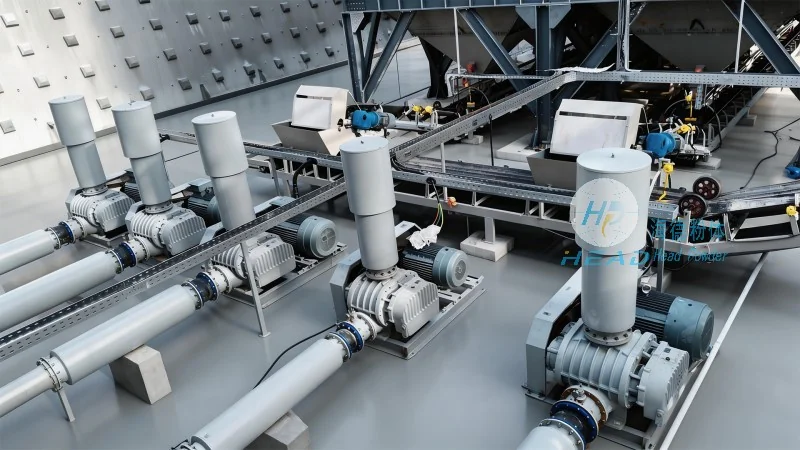
Overview of Pneumatic Conveying Systems for Cereals and Flour
Pneumatic conveying systems utilize air or gas to transport bulk materials through a network of pipes. They are widely adopted in the food processing sector due to their ability to handle delicate materials without causing degradation or contamination. The systems are categorized based on the direction of material flow and the pressure applied, which influences their suitability for different applications.
Classification of Cereal and Flour Pneumatic Conveying Systems
There are two primary classifications of pneumatic conveying systems used in the cereal and flour industry: suction (or negative pressure) systems and pressure (or positive pressure) systems. Each type has distinct characteristics and is chosen based on factors such as material properties, distance to be conveyed, and the need for material separation or cleaning.
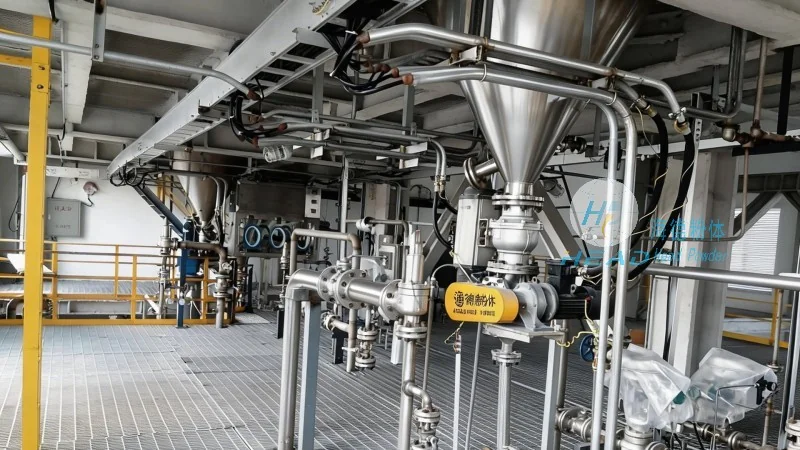
Suction (Negative Pressure) Pneumatic Conveying Systems
Suction systems operate by creating a negative pressure in the conveying line, drawing material from the source (like a hopper or silo) into the system. This method is ideal for applications where the material needs to be transported from a lower elevation or where the source is located in a confined space. The system typically includes a vacuum pump or fan that pulls air and material through the pipeline. Key components of a suction system include a feed hopper with a rotary valve, a filter to remove dust and particles, and a cyclone separator to separate the material from the air stream. The separated material is then discharged into a collection bin, while the cleaned air is released back into the environment.
Pressure (Positive Pressure) Pneumatic Conveying Systems
Pressure systems, conversely, operate by using a positive pressure to push material through the conveying line. This approach is suitable for longer distances or when the material needs to be transported to a higher elevation. The system relies on a blower or compressor that forces air and material through the pipeline. Pressure systems are often preferred for applications involving abrasive or sticky materials, as the higher pressure helps maintain material flow and reduces the risk of blockages. The components of a pressure system include a material feeder (such as a screw or rotary valve), a pressure vessel or hopper, and a filter to remove contaminants from the air. The material is then discharged at the destination, and the air is typically vented to the atmosphere or recirculated after filtration.
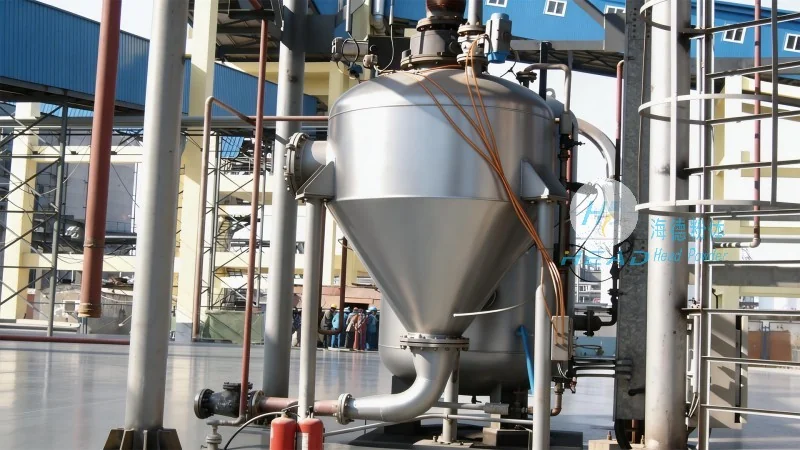
Components of a Typical Cereal and Flour Pneumatic Conveying System
A comprehensive pneumatic conveying system for cereals and flour consists of several interconnected components, each playing a critical role in the efficient and safe transport of materials. The main components include:
- Feed Hopper and Rotary Valve: The feed hopper stores the bulk material and feeds it into the system at a controlled rate. The rotary valve, located at the bottom of the hopper, regulates the flow of material into the conveying line, preventing backflow and ensuring consistent feed.
- Pneumatic Conveying Pipeline: The pipeline is the main transport medium, made of materials like stainless steel or plastic, designed to withstand the pressure and abrasion from the conveyed material. The pipeline is typically laid out in a straight or slightly curved path to minimize pressure loss and ensure smooth material flow.
- Filter and Dust Separator: As the material is conveyed, it generates dust and particles that must be removed from the air stream. The filter, often a bag filter or cartridge filter, captures these particles, ensuring that the air released is clean and compliant with environmental regulations. The dust separator, such as a cyclone or baghouse, further enhances the filtration process.
- Separation and Collection Equipment: The separated material is collected in a receiving hopper or bin. This equipment is designed to handle the bulk material and may include a discharge valve or conveyor to transfer the material to the next processing stage. The system may also include a dust collection system to capture any residual particles from the air stream.
- Control and Monitoring Systems: Modern pneumatic conveying systems are equipped with control panels and monitoring devices to regulate the operation of the system. These systems allow operators to adjust the flow rate, pressure, and other parameters in real-time, ensuring optimal performance and preventing system failures.
Applications and Benefits of Cereal and Flour Pneumatic Conveying Systems
The use of pneumatic conveying systems in the cereal and flour industry offers numerous benefits, including improved efficiency, reduced labor costs, and enhanced product quality. These systems are particularly effective in applications such as: