

Introduction to Dry Powder Material Handling Systems: Structure and Working Principles
Dry powder material handling systems are critical components in various industrial applications, facilitating the efficient and safe transportation of bulk powders from one location to another. These systems are essential for industries such as pharmaceuticals, food processing, chemical manufacturing, and mining, where the accurate and controlled movement of powders is paramount to operational efficiency and product quality. The design and functionality of these systems directly impact production throughput, material integrity, and overall process reliability.

Key Components and Structural Design
The core structure of a typical dry powder material handling system includes several integral components that work in concert to ensure smooth operation. The primary elements include a hopper or feed bin for material storage, a conveying mechanism (such as a screw conveyor, pneumatic duct, or belt system), control valves and regulators, and a discharge or collection unit. Each component is engineered to handle specific material characteristics, such as particle size, moisture content, and flowability, to prevent issues like clogging or material degradation.
For instance, the hopper is designed with a conical or rectangular shape to promote uniform material flow and minimize dead zones, where material can stagnate and cause bridging or segregation. The conveying mechanism is selected based on the material's properties and the required distance or elevation change. Screw conveyors are common for horizontal or slight incline transport, offering positive displacement and low maintenance. Pneumatic systems, on the other hand, use compressed air to move powders through flexible ducts, suitable for high-temperature or hazardous materials. The control valves and regulators manage the flow rate and pressure, ensuring consistent operation and preventing overloading of downstream equipment.
Working Principles and Operational Mechanisms
The operational principle of a dry powder material handling system revolves around the transfer of material from the source to the destination through a series of controlled steps. The process typically begins with the material being fed from the hopper into the conveying mechanism. In a screw conveyor, for example, the rotating screw pushes the material forward, maintaining a positive pressure to prevent backflow. In a pneumatic system, the material is entrained by the air flow and carried through the ducts to the discharge point. The system may include additional features like air filters or cyclones to separate any fine particles from the air stream, ensuring environmental compliance and material purity.
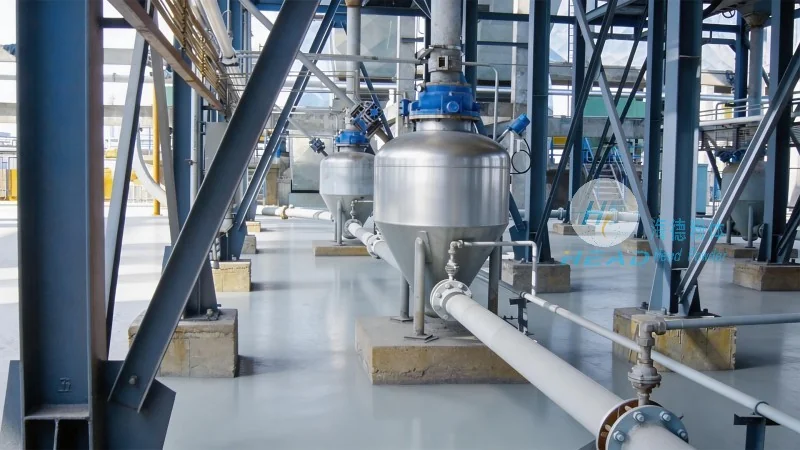
Control systems play a vital role in optimizing the performance of these systems. Sensors and transmitters monitor parameters such as pressure, flow rate, and material level, feeding real-time data to the control unit. This allows for automatic adjustments to maintain optimal operating conditions, such as adjusting the air pressure or screw speed based on the material load. The integration of these control mechanisms enhances the system's efficiency and reduces the risk of operational failures or material loss.
Applications and Industry Relevance
Dry powder material handling systems are widely used across multiple industries due to their adaptability and reliability. In the pharmaceutical industry, these systems are crucial for handling active pharmaceutical ingredients (APIs) and excipients, ensuring that the powders are transferred without contamination or degradation. The food processing sector relies on them for transporting ingredients like flour, sugar, and spices, maintaining product quality and hygiene standards. Chemical manufacturers use these systems for handling bulk chemicals, preventing dust explosions and ensuring safe material handling. Mining operations also benefit from these systems for transporting ore and other mineral powders, improving operational efficiency and reducing labor costs.
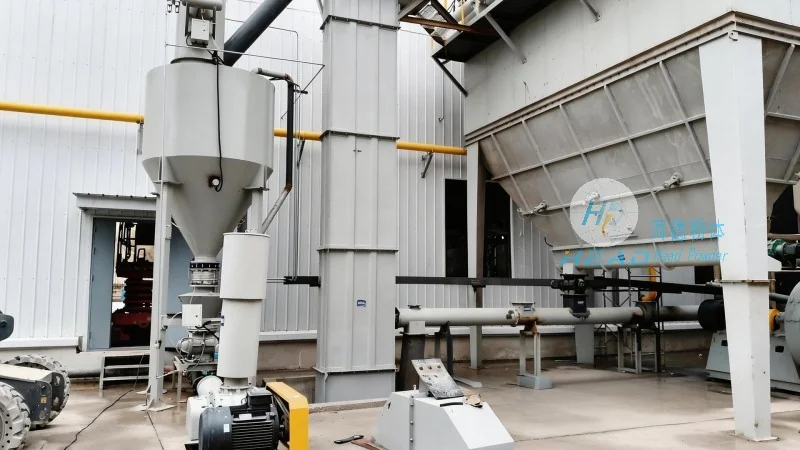
The versatility of dry powder material handling systems makes them indispensable in modern industrial settings. They enable manufacturers to streamline their production processes, reduce downtime, and enhance overall productivity. By providing a reliable means of transporting powders, these systems contribute to the sustainability and competitiveness of various industries.
About Shandong HeadPowder Engineering Co., Ltd.
HeadPowder, the brand under Shandong HeadPowder Engineering Co., Ltd., is a leading manufacturer specializing in the design, development, and supply of dry powder material handling systems. With a strong commitment to innovation and quality, HeadPowder has established itself as a trusted partner in the industry, providing customized solutions tailored to the unique needs of its clients. The company's headquarters is located in Shandong, China, where it leverages advanced technology and extensive experience to deliver high-performance material handling equipment.
HeadPowder's product portfolio includes a range of dry powder handling systems, from basic screw conveyors to complex pneumatic systems. The company's engineering team works closely with clients to understand their specific requirements, such as material characteristics, production capacity, and environmental regulations, to design systems that meet or exceed industry standards. This customer-centric approach has earned HeadPowder a reputation for reliability and excellence in the market.