

Introduction to Equipment and Structural Principles of Magnesium Oxide Powder Pneumatic Conveying Sy
This article provides an introduction to the equipment used in magnesium oxide powder pneumatic conveying systems, focusing on the structural principles and operational mechanisms that enable efficient material transport. The system is designed to handle the unique characteristics of magnesium oxide powder, ensuring reliable and low-damage conveying processes. By understanding the core components and their functions, users can appreciate how these systems enhance industrial material handling efficiency.
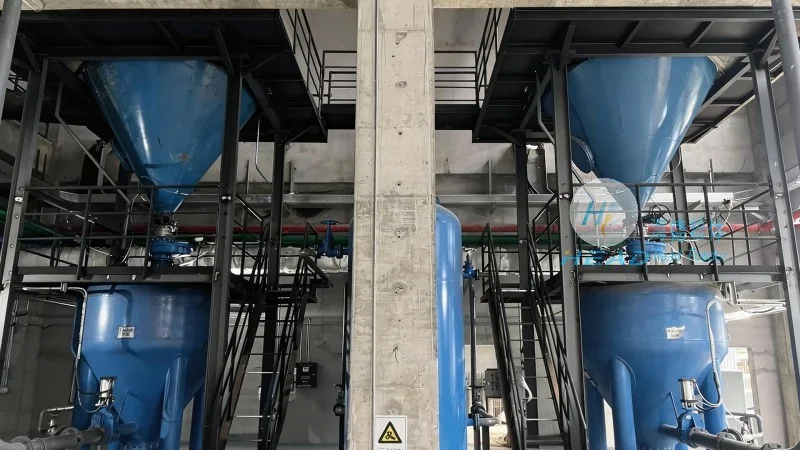
Key Components and Structural Design
The magnesium oxide powder pneumatic conveying system typically consists of several critical components, each playing a vital role in the overall operation. The primary elements include a material hopper, a rotary feeder, a pneumatic conveying line, and a receiver or discharge unit. The material hopper is responsible for storing the magnesium oxide powder, providing a consistent feed source. The rotary feeder, often equipped with adjustable speed controls, regulates the flow rate of the powder into the conveying line, preventing overloading and ensuring smooth material transfer. The pneumatic conveying line, which may be made of stainless steel or other corrosion-resistant materials, is designed to withstand the chemical properties of magnesium oxide and maintain system integrity. The receiver or discharge unit collects the conveyed powder and directs it to the final destination, such as a storage silo or processing equipment. The structural design emphasizes durability and minimal particle degradation, which is crucial for maintaining the quality of magnesium oxide powder, especially in applications where purity is essential.
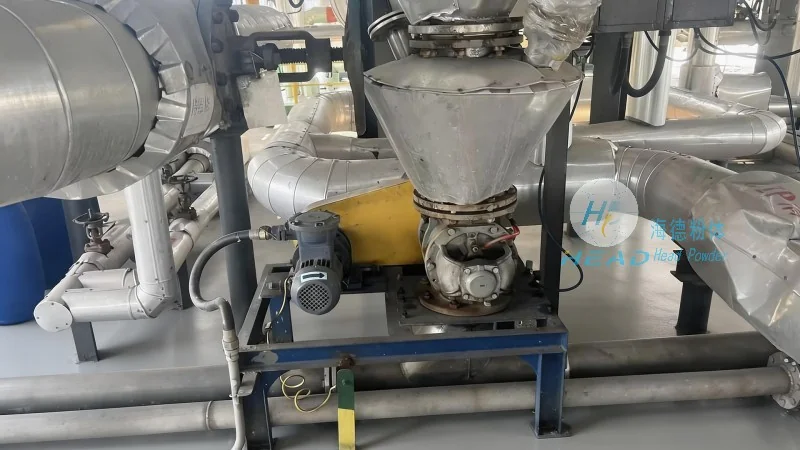
Working Principle of the Pneumatic Conveying System
The pneumatic conveying system operates on the principle of using air or gas to transport solid particles. In the case of magnesium oxide powder, the system employs a positive pressure or negative pressure (or a combination of both) method to move the material through the conveying line. The rotary feeder releases the magnesium oxide powder into the conveying line, where it is entrained by the moving air stream. The air velocity is carefully controlled to ensure that the powder particles are fully suspended and transported without settling or clogging the line. The system's design includes features such as airlocks and check valves to prevent backflow and maintain the direction of material flow. The receiver unit is equipped with a dust collection system, which helps to capture any fine particles that may escape during the conveying process, ensuring environmental compliance and product purity. The entire process is automated, with sensors and control systems monitoring parameters like pressure, flow rate, and material level to optimize performance and prevent operational issues.
Advantages and Applications
Magnesium oxide powder pneumatic conveying systems offer several advantages over traditional mechanical conveying methods. These systems are particularly suitable for handling fine, dusty, or abrasive materials like magnesium oxide, as they minimize particle breakage and reduce the risk of equipment wear. The enclosed design of pneumatic conveying systems also helps to contain dust, improving workplace safety and environmental protection. Additionally, these systems can be integrated with other industrial processes, such as blending or packaging, to create a seamless material handling workflow. The applications of magnesium oxide powder pneumatic conveying systems are widespread, including in the production of refractory materials, pharmaceuticals, and chemical industries. In refractory manufacturing, the system ensures consistent and high-quality magnesium oxide feed to furnaces and kilns. In pharmaceutical applications, the enclosed and controlled environment of the system helps maintain the purity and sterility of the powder, which is critical for drug production. Overall, the system's ability to handle delicate materials while maintaining efficiency makes it a preferred choice in various industrial settings.
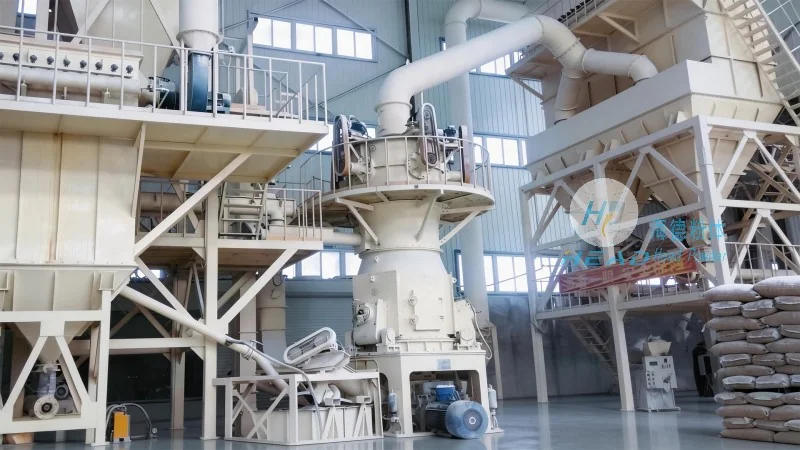
Company Information and Technical Support
HeadPowder, as a leading provider of pneumatic conveying solutions, specializes in designing and manufacturing equipment tailored to the specific needs of magnesium oxide powder handling. With headquarters in Shandong, China, HeadPowder Engineering Co., Ltd. leverages years of industry experience to develop robust and reliable systems that meet the highest standards of performance and durability. The company's technical team provides comprehensive support, including system design, installation, and maintenance services, ensuring that clients receive tailored solutions that address their unique operational requirements. HeadPowder's commitment to quality and customer satisfaction is reflected in the long-term partnerships it has established with clients across various industries. By choosing HeadPowder's pneumatic conveying systems, businesses can enhance their material handling capabilities, reduce operational costs, and improve overall productivity in the handling of magnesium oxide powder.