

Introduction to Trilithium Pneumatic Conveying Equipment: Structure and Working Principle
Trilithium pneumatic conveying equipment is a specialized industrial device designed for the efficient transport of trilithium, a critical material in modern battery production and other high-tech applications. This equipment utilizes pneumatic principles to move trilithium powder or granules through a sealed system, ensuring minimal product loss and contamination. The design integrates advanced engineering to handle the unique properties of trilithium, which includes high reactivity and sensitivity to moisture and air exposure.
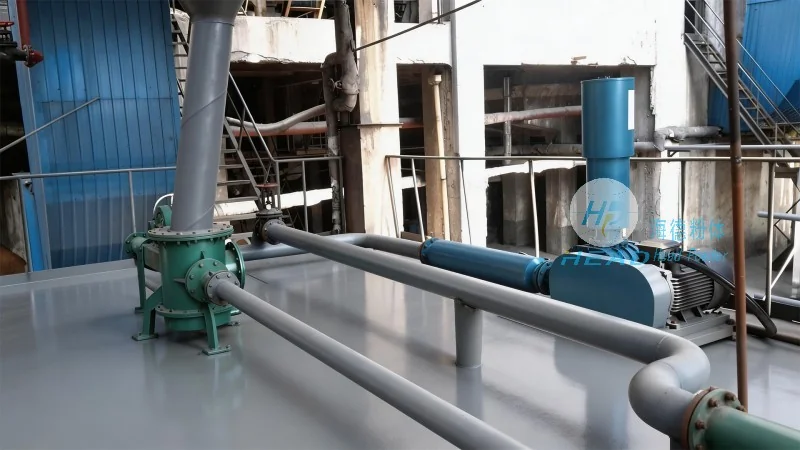
HeadPowder, a leading manufacturer based in Shandong, China, specializes in the development and production of such advanced conveying systems. With a strong commitment to quality and innovation, the company has established itself as a trusted partner in the battery and material handling industries. The equipment produced by HeadPowder is engineered to meet stringent industry standards, offering reliability and performance that are essential for high-volume production environments.
Core Components and Structural Design
The trilithium pneumatic conveying system consists of several key components that work in harmony to achieve efficient material transport. The primary components include a hopper for material storage, a rotary valve or feeder to control the flow of trilithium into the system, a conveying pipeline, a dust collector or filter to capture any airborne particles, and a discharge unit for delivering the material to its final destination. Each component is designed with precision to ensure optimal performance and safety.
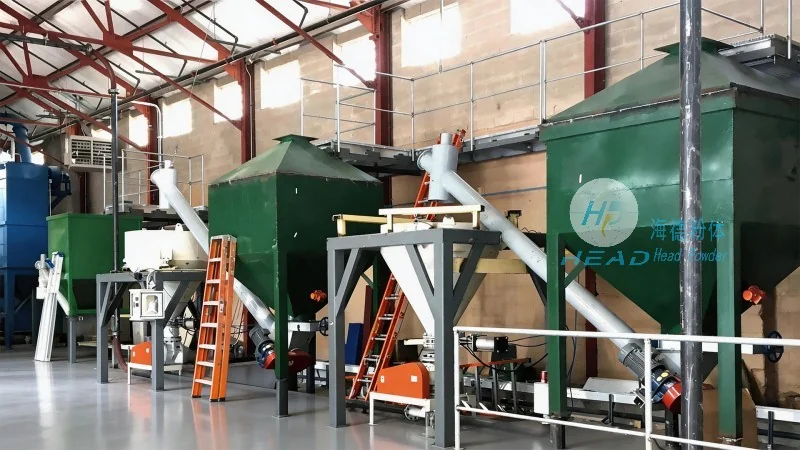
The hopper is typically made of corrosion-resistant materials such as stainless steel to prevent contamination and degradation of the trilithium. It is equipped with a lid and a level indicator to monitor the material level inside. The rotary valve or feeder is a critical part of the system, as it regulates the flow rate of trilithium, preventing overloading or underflow that could lead to system inefficiencies. The conveying pipeline is usually made of high-quality plastic or metal, depending on the specific requirements of the application, and is equipped with pressure sensors to monitor the system's performance.
The dust collector or filter is an essential safety feature, as trilithium can be hazardous if inhaled or exposed to air. It captures any fine particles that may be released during the conveying process, ensuring a clean and safe working environment. The discharge unit, which can be a rotary valve or a hopper, is designed to deliver the trilithium to the next stage of the production process, such as a mixing or charging unit. The entire system is enclosed to prevent dust and particles from escaping into the environment, maintaining compliance with environmental regulations.
Working Principle and Operational Mechanism
The operation of the trilithium pneumatic conveying equipment is based on the principle of pneumatic transport, where compressed air is used to move the material through the pipeline. The process begins with the trilithium being fed into the hopper. The rotary valve then controls the flow of material into the conveying pipeline. Compressed air is introduced into the pipeline, creating a flow that carries the trilithium particles forward. The air and material mixture travels through the pipeline to the discharge unit, where the air is separated from the material and the trilithium is collected.
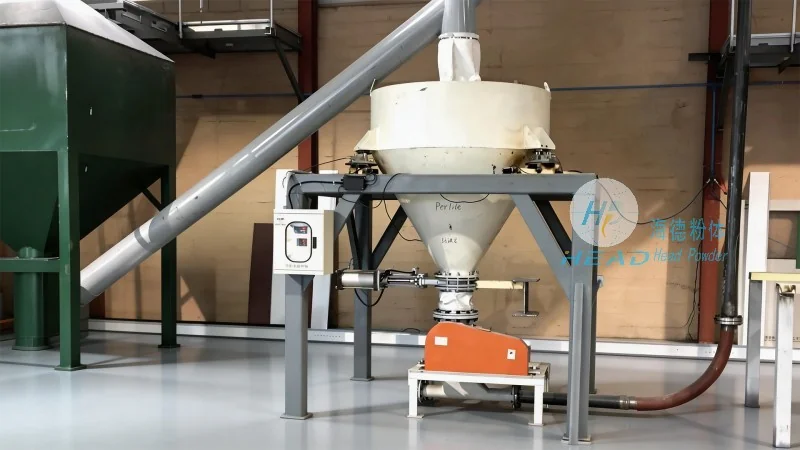
The compressed air is typically supplied by a high-pressure air compressor, which is connected to the system via a regulator to control the air pressure and flow rate. The pressure in the pipeline is maintained at a level sufficient to overcome the resistance of the material and the pipeline, ensuring a smooth and continuous flow. The system is equipped with pressure relief valves to prevent over-pressurization, which could damage the equipment or cause safety hazards.
The conveying speed and efficiency of the system depend on several factors, including the size and density of the trilithium particles, the air pressure, and the length and diameter of the pipeline. Proper design and maintenance of the system are crucial to ensure optimal performance. Regular cleaning and inspection of the components, such as the hopper, rotary valve, and pipeline, are necessary to prevent blockages and maintain the system's efficiency.