

Graphite Lump Pneumatic Conveying Equipment: Introduction and Structural Principles
Graphite, a versatile material widely used in various industrial applications, often requires efficient and reliable handling solutions. Among the technologies available for material transport, pneumatic conveying systems have emerged as a preferred choice for transporting graphite lumps due to their ability to handle abrasive and delicate materials with minimal wear and tear. This article provides an overview of graphite lump pneumatic conveying equipment, detailing its structural components and operational principles.
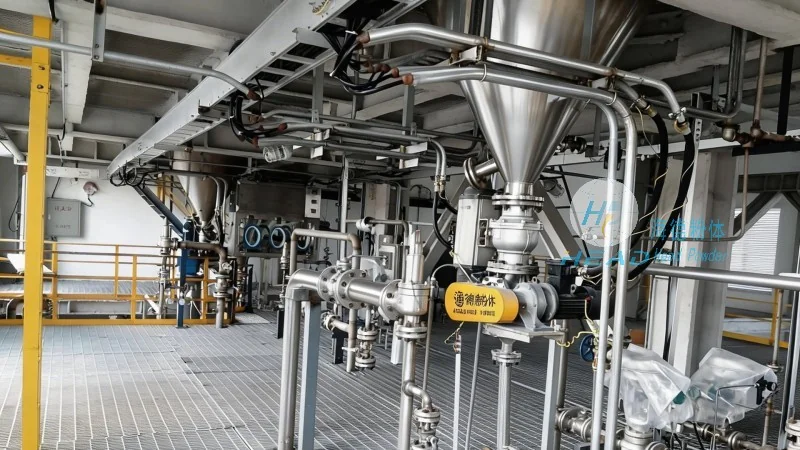
Understanding Pneumatic Conveying Systems for Graphite Lumps
Pneumatic conveying systems utilize air or gas to transport bulk materials through a pipeline network. For graphite lumps, which are typically irregular in shape and can be abrasive, specialized equipment is designed to ensure smooth and efficient transport. The core components of a typical graphite lump pneumatic conveying system include the hopper, feeder, conveying line, and receiver. Each component plays a critical role in the overall operation, ensuring that the material is moved from the source to the destination without damage or loss.
Structural Components and Their Functions
The hopper, often equipped with a discharge valve or rotary valve, serves as the storage and feeding unit for the graphite lumps. It is designed to maintain a consistent material level and control the flow rate into the conveying line. The feeder, which may be a screw feeder or a rotary valve, regulates the amount of material entering the system, preventing overloading or underloading of the conveying line. The conveying line, typically made of stainless steel or other corrosion-resistant materials, is the main pathway for the material and air mixture. It is designed to withstand the abrasive nature of graphite and maintain a consistent pressure and velocity. The receiver, or discharge hopper, collects the material at the end of the conveying line, allowing for easy unloading and further processing.
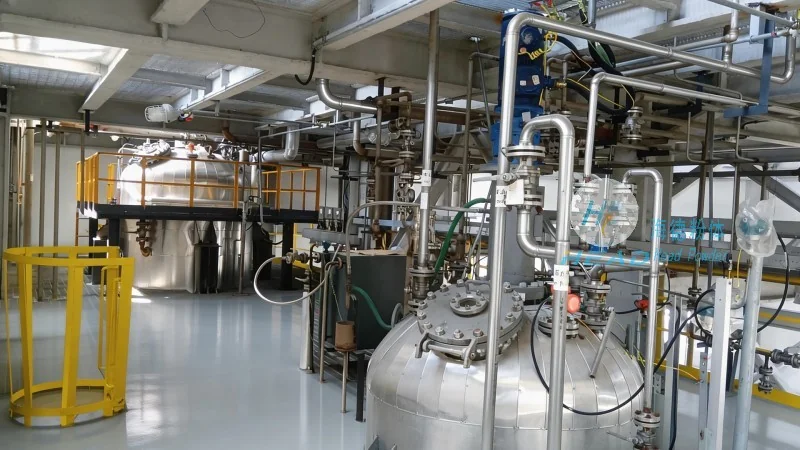
Operational Principles of Graphite Lump Pneumatic Conveying
The operation of a graphite lump pneumatic conveying system involves several key steps. First, the graphite lumps are fed into the hopper from a storage silo or container. The feeder then controls the flow rate, ensuring a steady stream of material enters the conveying line. Simultaneously, a blower or compressor generates the necessary air pressure and velocity to move the material through the pipeline. The air and material mixture travels through the conveying line, with the air providing the force to transport the lumps. At the receiving end, the material is separated from the air, often through a cyclone separator or filter, and collected in the receiver. The air is then discharged back into the system or released to the atmosphere, depending on the system design.
Advantages of Using Pneumatic Conveying for Graphite Lumps
Compared to traditional mechanical conveying methods, pneumatic conveying offers several advantages for graphite lump transport. These include the ability to handle abrasive materials without significant wear on components, reduced risk of material contamination, and the flexibility to transport materials over long distances or through complex layouts. Additionally, pneumatic systems can be designed to operate in a closed loop, minimizing dust emissions and improving safety in the workplace. The efficiency of the system, measured by the conveying capacity and pressure drop, is optimized through proper design and maintenance, ensuring reliable operation for extended periods.
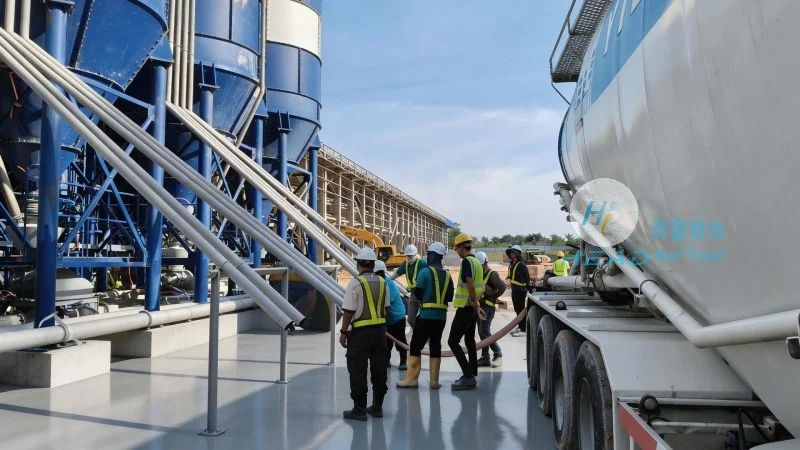
About Shandong HeadPowder Engineering Co., Ltd.
As a leading manufacturer of industrial conveying equipment, Shandong HeadPowder Engineering Co., Ltd. specializes in providing high-quality solutions for material handling, including graphite lump pneumatic conveying systems. With years of experience in the industry, the company has developed advanced technologies and robust designs that meet the demanding requirements of various applications. The company's commitment to quality and customer satisfaction is reflected in its comprehensive product line and dedicated technical support. HeadPowder's equipment is engineered to deliver reliable performance, low maintenance costs, and long service life, making it a trusted choice for businesses in the graphite and related industries.
Conclusion
In conclusion, graphite lump pneumatic conveying equipment is a highly effective solution for transporting graphite materials efficiently and safely. The structural components and operational principles of these systems are designed to handle the unique characteristics of graphite lumps, ensuring minimal damage and optimal performance. With the expertise of companies like Shandong HeadPowder Engineering Co., Ltd., businesses can benefit from advanced conveying technologies that enhance productivity and reduce operational costs. As the demand for efficient material handling solutions continues to grow, pneumatic conveying systems remain a key technology in the industry, offering reliable and sustainable solutions for the future.