

Introduction to Cast Sand Pneumatic Conveying Equipment: Structure and Working Principle
For foundries and casting manufacturers, efficient material handling is crucial to maintaining production efficiency and quality control. Cast sand pneumatic conveying equipment has emerged as a key solution in modern casting processes, offering a reliable method for transporting sand and other granular materials. This article provides an overview of the cast sand pneumatic conveying equipment, focusing on its structure and working principles, while highlighting the expertise of Shandong HeadPowder Engineering Co., Ltd. as a leading manufacturer in this field.
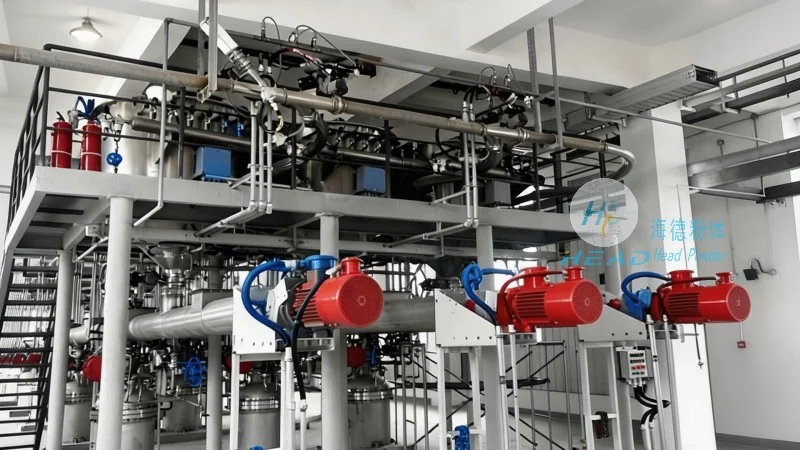
Key Components and Structure of Cast Sand Pneumatic Conveying Systems
The cast sand pneumatic conveying system typically consists of several core components that work in tandem to ensure smooth material transport. The primary components include the material hopper, air compressor, conveying pipe, and control system. The material hopper is designed to store the cast sand, with a feeding mechanism that allows for controlled discharge into the system. The air compressor generates the necessary air pressure to move the sand particles through the conveying pipe. The conveying pipe is usually made of durable materials such as stainless steel or PVC, ensuring resistance to abrasion and corrosion from the sand. The control system monitors and regulates the air pressure, flow rate, and material feed rate to maintain optimal operation.
Working Principle of Cast Sand Pneumatic Conveying
The operation of cast sand pneumatic conveying equipment is based on the principle of air pressure to transport solid materials. In the system, the air compressor creates a high-pressure air stream that is directed into the conveying pipe. As the air flows through the pipe, it entrains the sand particles, forming a slurry-like mixture known as a "pneumatic stream." This stream moves the sand from the hopper to the discharge point, such as a storage silo or processing unit. The velocity of the air and the size of the sand particles determine the efficiency of the conveying process. Proper design of the system ensures that the air velocity is sufficient to carry the sand without causing excessive wear on the equipment or material degradation.
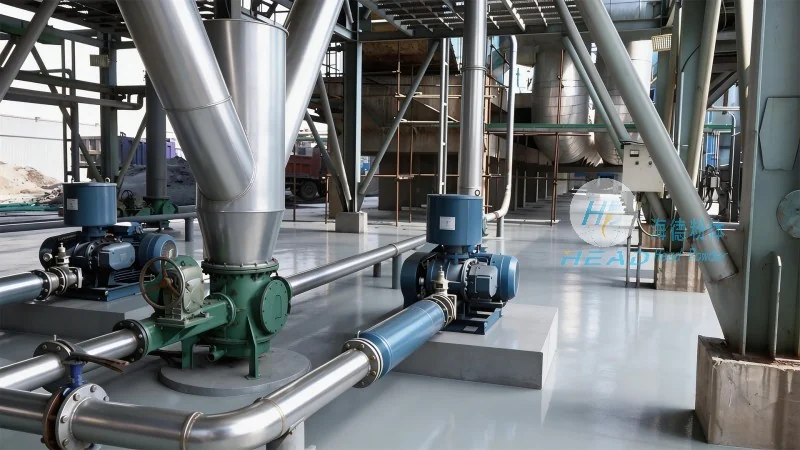
Advantages of Cast Sand Pneumatic Conveying Equipment
Compared to traditional mechanical conveying methods, cast sand pneumatic conveying offers several advantages that make it a preferred choice for many foundries. One of the main benefits is the ability to transport materials over long distances without the need for multiple transfer points or intermediate storage. This reduces the risk of material contamination and improves overall process efficiency. Additionally, pneumatic conveying systems are more flexible, allowing for changes in the layout of the production facility without major modifications. The equipment also provides better control over the material flow, preventing overloading or underloading of the system. Furthermore, the absence of moving parts in the conveying line reduces maintenance requirements and extends the service life of the equipment.
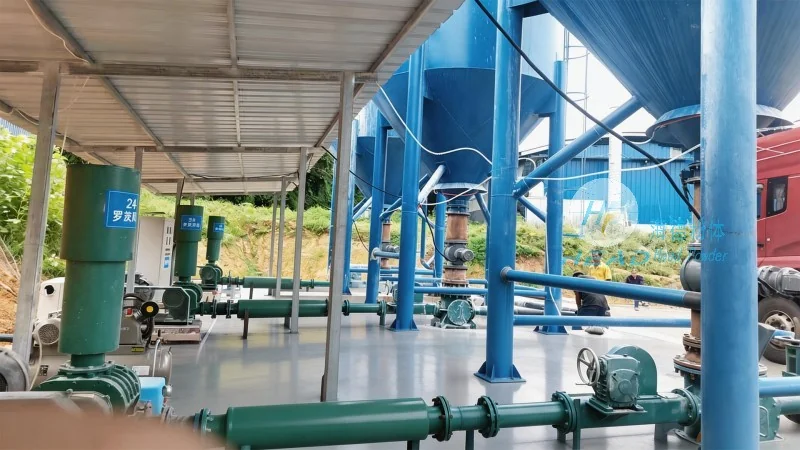
Application in Foundry Production
Cast sand pneumatic conveying equipment is widely used in various stages of foundry production, from sand handling and transport to reclamation and recycling. In the initial stages, the equipment is used to move raw cast sand from storage to the molding or core-making areas. During the production process, it helps in transporting sand back to the reclamation system for recycling, reducing waste and lowering material costs. The system also plays a role in transporting finished products or waste materials to designated disposal or processing areas. The consistent and reliable operation of the pneumatic conveying system ensures that the foundry can maintain a steady production flow, minimizing downtime and improving overall productivity.
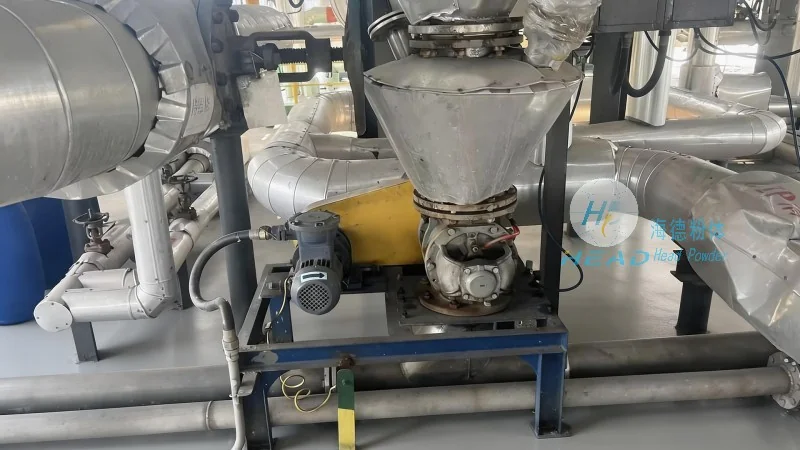
Customization and Solutions by Shandong HeadPowder Engineering Co., Ltd.
Shandong HeadPowder Engineering Co., Ltd., a leading manufacturer in the field, specializes in providing customized cast sand pneumatic conveying solutions tailored to the specific needs of foundries. The company offers a range of equipment options, including positive pressure and negative pressure systems, to suit different production requirements and material characteristics. The engineers at HeadPowder work closely with clients to understand their operational challenges and design systems that optimize material handling efficiency. The company's commitment to quality and innovation ensures that the equipment is built to withstand the harsh conditions of foundry environments, with durable components and advanced control technologies. By partnering with HeadPowder, foundries can enhance their material handling capabilities, reduce operational costs, and improve overall production performance.
Conclusion
Cast sand pneumatic conveying equipment is a vital component in modern foundry operations, offering efficient and reliable transport of cast sand and other granular materials. The structure and working principles of these systems are designed to meet the demanding requirements of foundry production, with components that ensure durability, efficiency, and flexibility. As a leading manufacturer, Shandong HeadPowder Engineering Co., Ltd. provides high-quality solutions that help foundries optimize their material handling processes, reduce costs, and improve overall productivity. By understanding the key components and working principles of cast sand pneumatic conveying equipment, foundries can make informed decisions to enhance their production capabilities and stay competitive in the industry.