

Introduction to Boron Nitride Pneumatic Conveying Systems: Structure and Working Principles
HeadPowder, a leading manufacturer in the field of industrial conveying equipment, presents an in-depth overview of Boron Nitride Pneumatic Conveying Systems. This article aims to provide a comprehensive understanding of the system's design, operational principles, and key components, tailored for professionals seeking reliable solutions for handling Boron Nitride powders efficiently.
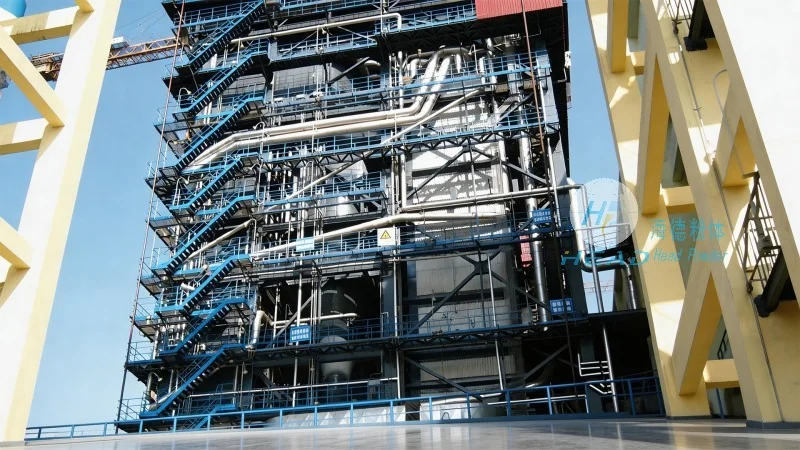
Overview of Boron Nitride Pneumatic Conveying Systems
Boron Nitride, known for its excellent thermal stability, chemical inertness, and lubricating properties, is widely used in high-tech industries such as electronics, aerospace, and ceramics. Traditional handling methods for this fine powder often face challenges like dust generation, material degradation, and inefficient transport. Pneumatic conveying systems offer a solution by utilizing air or gas to transport powders through a pipeline network, ensuring a clean, safe, and efficient process. The Boron Nitride Pneumatic Conveying System from HeadPowder is engineered to address these challenges specifically for Boron Nitride applications.
Key Structural Components of the System
The Boron Nitride Pneumatic Conveying System consists of several critical components that work in synergy to achieve effective material transport. The main parts include the inlet hopper, which serves as the material feeding station, equipped with a dust collection or sealing mechanism to prevent air leakage and maintain material integrity. The conveying pipeline is typically made of corrosion-resistant materials like stainless steel or specialized plastics to accommodate the chemical properties of Boron Nitride and prevent contamination. At the receiving end, the discharge hopper or collection tank is designed to safely receive the conveyed material, often with additional filtration or separation systems to ensure purity. Additionally, the system incorporates air compressors and control valves that regulate the air flow and pressure, enabling precise control over the conveying rate and preventing system overload. The integration of these components ensures a seamless and reliable operation for Boron Nitride handling.
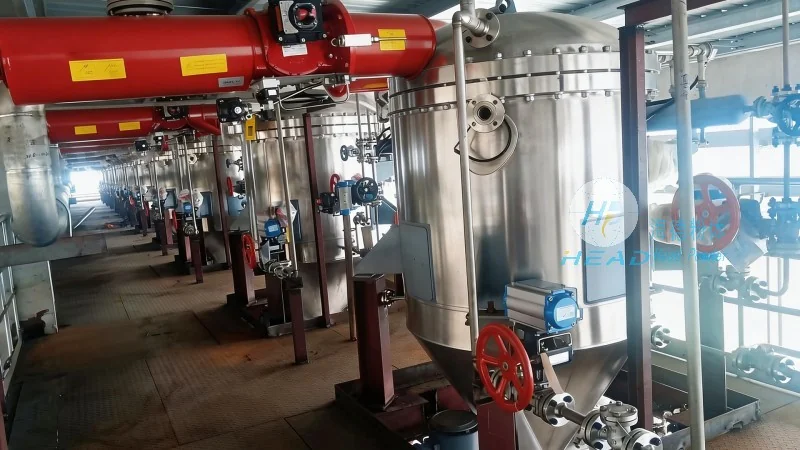
Working Principles and Operational Mechanisms
The operational principle of the Boron Nitride Pneumatic Conveying System is based on the momentum transfer between the material particles and the conveying air. When air is introduced into the system at a controlled pressure and velocity, it creates a flow that lifts and transports the powder particles through the pipeline. The system operates in either positive pressure or negative pressure modes, depending on the application requirements. In positive pressure systems, air is forced into the pipeline, pushing the material forward, while negative pressure systems use suction to draw the material into the pipeline. The velocity of the air is a critical parameter, as it must be sufficient to overcome the gravitational force of the material and maintain a stable suspension. The system's control system monitors parameters such as pressure, flow rate, and material level, adjusting the air supply to maintain optimal conveying conditions. This dynamic control ensures consistent performance and minimizes the risk of material degradation or system blockages.
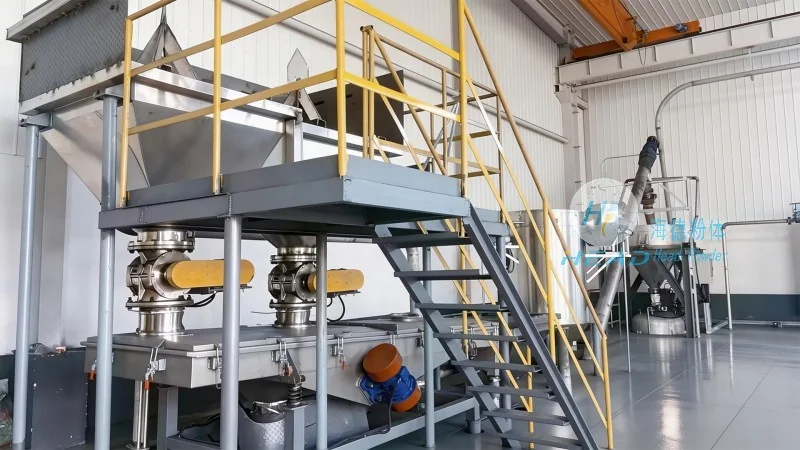
Advantages and Applications in Industrial Settings
Implementing a Boron Nitride Pneumatic Conveying System offers several advantages over traditional handling methods. The primary benefit is the reduction of dust exposure, which enhances workplace safety and compliance with environmental regulations. The system also minimizes material loss and contamination, preserving the quality of Boron Nitride powders, which are often sensitive to impurities. Additionally, the enclosed pipeline design prevents cross-contamination with other materials, maintaining product purity. In industrial settings, this system is particularly valuable in applications such as powder processing for electronic components, where high-purity Boron Nitride is required, or in aerospace manufacturing, where thermal stability is crucial. The system's flexibility allows for integration into existing production lines, reducing downtime and improving overall operational efficiency. By leveraging the advanced design of HeadPowder's Boron Nitride Pneumatic Conveying System, industries can achieve reliable, efficient, and safe handling of Boron Nitride powders, meeting the demands of modern manufacturing processes.
About HeadPowder Engineering Co., Ltd.
HeadPowder Engineering Co., Ltd., headquartered in Shandong, China, is a reputable company specializing in the research, development, and manufacturing of industrial conveying and processing equipment. With a strong commitment to innovation and quality, HeadPowder has established itself as a trusted partner for businesses in various industries, providing tailored solutions to meet their specific material handling needs. The company's expertise in pneumatic conveying systems, particularly for high-value materials like Boron Nitride, reflects its dedication to delivering reliable and efficient equipment that enhances productivity and safety in industrial operations. HeadPowder's products are designed to meet international standards and are backed by comprehensive technical support and after-sales services, ensuring customer satisfaction and long-term partnership.