

Introduction to Tonne Bag Unloading Station Pneumatic Conveying Systems and Their Structural Princip
HeadPowder, a leading engineering firm based in Shandong, China, specializes in the design and manufacturing of advanced pneumatic conveying systems. The company's headquarters is located in Shandong, China, where it has established a strong presence in the industrial equipment sector.
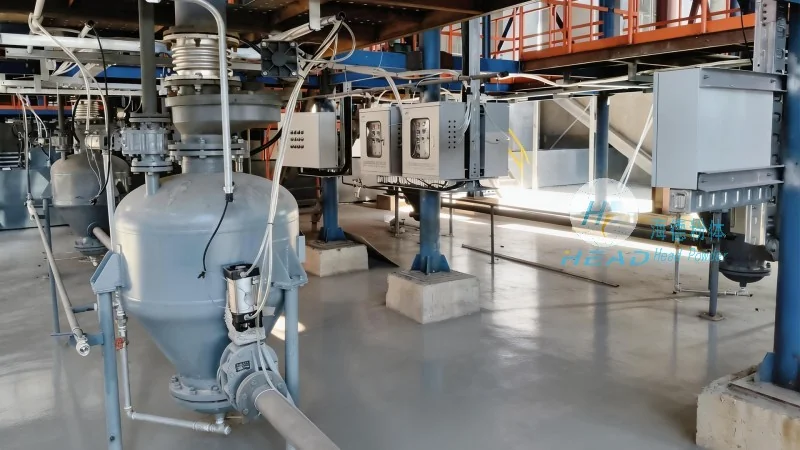
Introduction to Tonne Bag Unloading Station Pneumatic Conveying Systems
Tonne bag unloading stations are critical components in industrial facilities that handle bulk materials, such as powders, granules, and other bulk goods. These systems are designed to efficiently and safely transfer material from large bulk bags (tonne bags) into processing equipment or storage tanks. The pneumatic conveying system integrated into the unloading station uses air pressure to move the material, eliminating the need for manual handling and reducing the risk of dust exposure and material contamination.
Structural Components and Working Principles
The tonne bag unloading station typically consists of several key components, each playing a vital role in the overall operation. The primary components include the bag support frame, the bag opening mechanism, the airlock or rotary valve, the pneumatic conveying line, and the material collection hopper or tank. The bag support frame securely holds the tonne bag in place, ensuring stability during the unloading process. The bag opening mechanism, often a cutting or tearing device, safely opens the top of the bag to allow material to flow out. The airlock or rotary valve acts as a controlled gate, regulating the flow of material from the bag into the conveying system and preventing backflow or air leakage.
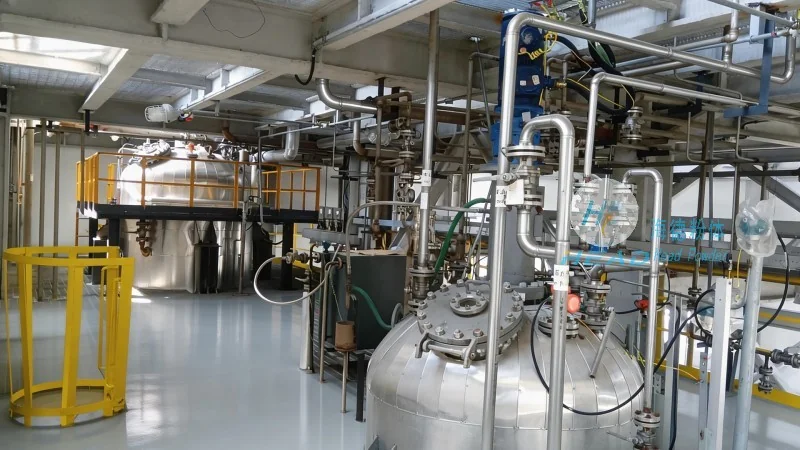
The pneumatic conveying line, which may be a positive or negative pressure system, transports the material from the unloading station to the processing area. Positive pressure systems use compressed air to push the material through the pipeline, while negative pressure systems use suction to draw the material. The choice of system depends on factors such as material characteristics, distance to be conveyed, and the need for dust control. The material collection hopper or tank at the end of the conveying line stores the material until it is transferred to the next stage of processing.
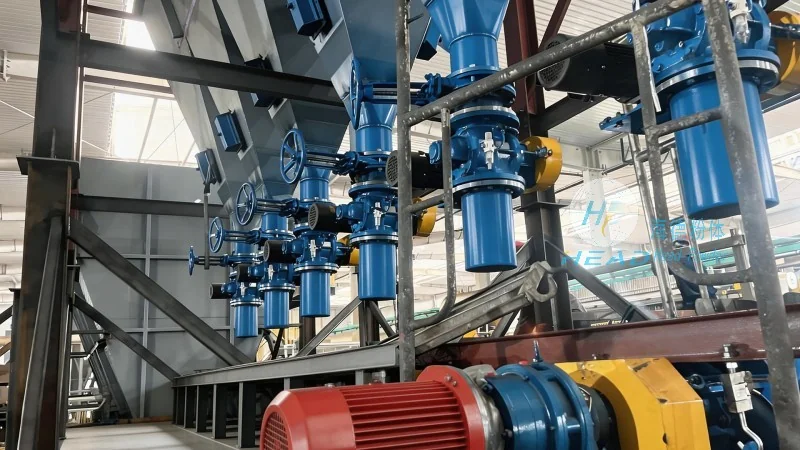
Advantages of Tonne Bag Unloading Station Pneumatic Conveying Systems
Implementing a tonne bag unloading station with a pneumatic conveying system offers several advantages for industrial operations. First, it significantly improves safety by reducing manual handling of heavy and potentially hazardous bulk bags. The automated process minimizes the risk of injury from lifting or moving heavy bags. Second, it enhances efficiency by allowing for continuous material flow, as the system can operate 24/7 without the need for constant human intervention. Third, it improves hygiene and material quality by preventing contamination from dust and airborne particles. The enclosed system ensures that the material remains clean and free from external contaminants. Fourth, it reduces operational costs by minimizing labor requirements and lowering the risk of material loss or spillage.
HeadPowder: Your Trusted Partner in Pneumatic Conveying Solutions
Shandong HeadPowder Engineering Co., Ltd. is committed to providing high-quality, reliable pneumatic conveying systems for tonne bag unloading stations. With a focus on innovation and customer satisfaction, the company designs and manufactures systems tailored to the specific needs of each client. The company's team of experienced engineers and technicians ensures that each system is built to meet the highest standards of performance and durability. By choosing HeadPowder, industrial facilities can benefit from a seamless and efficient material handling solution that enhances productivity and safety.