

Introduction to the Structure and Principle of Calcium Hydroxide Pneumatic Conveying Line
Calcium hydroxide, commonly known as slaked lime, is a widely used chemical in various industrial processes, including water treatment, construction, and chemical manufacturing. The efficient and safe transportation of this material from storage to processing units is crucial for maintaining operational efficiency and product quality. Pneumatic conveying lines offer a reliable solution for handling calcium hydroxide, leveraging air pressure to move the material through a system of pipes and components. This article provides an overview of the structure and operational principles of a calcium hydroxide pneumatic conveying line, highlighting key components, design considerations, and practical applications.
Overview of Calcium Hydroxide Pneumatic Conveying Systems
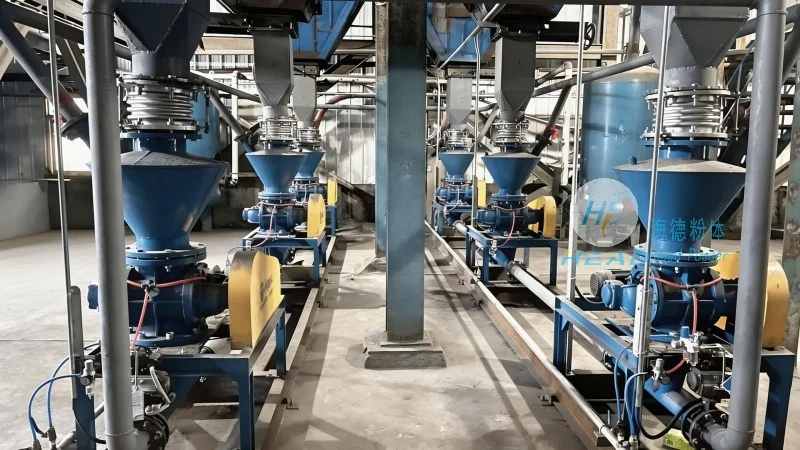
A calcium hydroxide pneumatic conveying line is a closed system designed to transport powdered or granular calcium hydroxide using compressed air. The system typically consists of several interconnected components, including a hopper for material storage, a feeder to control the flow rate, a conveying pipe network, and a receiver or destination tank. The entire system is engineered to ensure minimal material loss, consistent flow rates, and safe operation, even when handling materials with varying properties such as moisture content or particle size.
Key Components and Structural Design
The structural design of a calcium hydroxide pneumatic conveying line is tailored to accommodate the specific characteristics of the material being transported. Key components include:
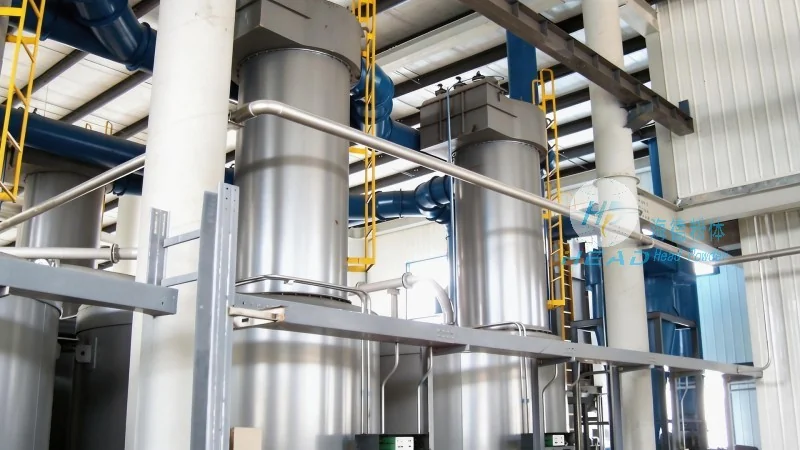
- Material Hopper: A large, airtight container that stores the calcium hydroxide, ensuring a consistent supply to the feeder. The hopper is often equipped with a discharge valve or a rotary valve to regulate the material flow.
- Feeder: This component controls the rate at which calcium hydroxide is introduced into the conveying system. Common types include rotary valves, screw feeders, or vibratory feeders, which are chosen based on the material's flowability and the required precision in dosing.
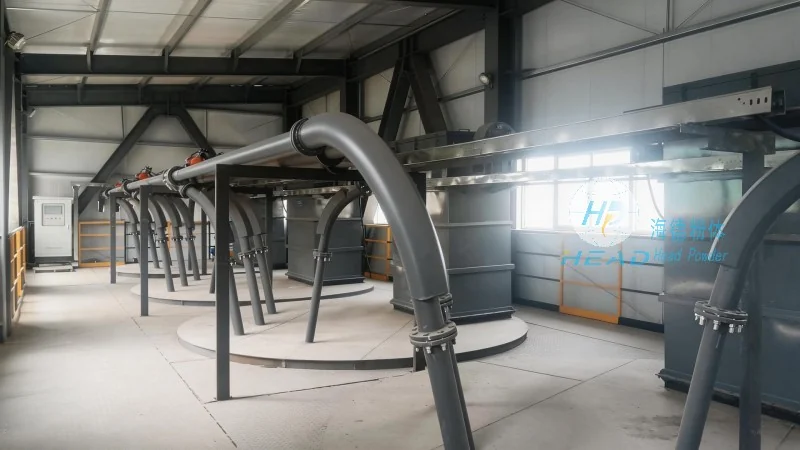
- Conveying Pipe: The main channel through which compressed air and the material travel. The pipe is usually made of corrosion-resistant materials like stainless steel or PVC to withstand the chemical properties of calcium hydroxide and prevent degradation over time.
- Air Compressor and Blower: These devices generate the necessary air pressure to move the material through the pipe. The choice of compressor depends on the system's capacity and the distance the material needs to travel.
- Receiver or Destination Tank: The final component where the calcium hydroxide is deposited after being conveyed. This tank may be equipped with a dust collection system to capture any airborne particles and ensure environmental compliance.
Each component is strategically positioned and connected to form a seamless flow path. The system's design also incorporates features such as pressure relief valves and air filters to maintain optimal performance and safety. Proper structural integrity is essential to prevent leaks or blockages, which could lead to operational disruptions or material loss.
Working Principle and Operational Mechanism
The operational principle of a calcium hydroxide pneumatic conveying line is based on the principle of fluidization and pneumatic transport. When compressed air is introduced into the conveying pipe, it creates a low-pressure zone that draws the calcium hydroxide particles into the air stream. The air, carrying the material, moves through the pipe at a velocity sufficient to keep the particles suspended and prevent them from settling or clogging the system.
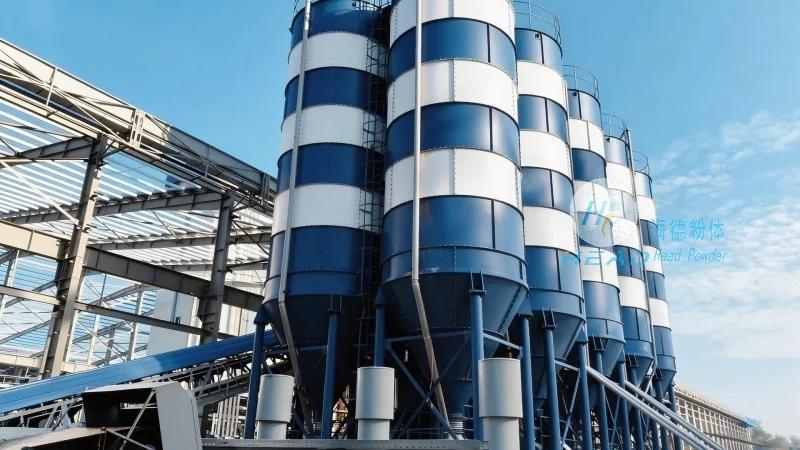
The feeder controls the amount of material added to the system, ensuring a steady flow. As the material is introduced, the air flow increases to maintain the desired velocity. The conveying pipe's diameter and length are carefully calculated to balance the air pressure and material flow, optimizing the system's efficiency. At the receiver end, the air and material are separated, with the air being filtered and the material collected in the tank.
Application Scenarios and Industry Relevance
Calcium hydroxide pneumatic conveying systems are widely used in industries where the material needs to be transported over short to medium distances, typically within a plant or facility. Common applications include:
- Water Treatment Plants: Calcium hydroxide is used to adjust the pH of water, making it suitable for drinking or industrial use. The conveying line ensures that the chemical is delivered to the treatment tanks in precise quantities.
- Construction Materials Manufacturing: In the production of lime-based products, such as mortar or plaster, the material is transported from storage to mixing equipment. The pneumatic system provides a clean and efficient method to avoid contamination and dust exposure.
- Chemical Manufacturing: Calcium hydroxide is a raw material in various chemical processes, and the conveying line facilitates its transfer to reactors or processing units. The system's ability to handle fine powders ensures consistent reaction rates.
By using a pneumatic conveying line, industries can improve operational efficiency, reduce labor costs associated with manual handling, and enhance safety by minimizing exposure to dust and airborne particles. The system's ability to handle varying material loads and flow rates makes it adaptable to different production requirements.
Company Profile and Technical Support
Shandong HeadPowder Engineering Co., Ltd., a leading manufacturer in the field, specializes in designing and manufacturing customized pneumatic conveying systems for calcium hydroxide and other industrial powders. With a focus on quality and innovation, the company provides comprehensive solutions tailored to the specific needs of clients. HeadPowder's team of engineers and technicians works closely with customers to understand their operational requirements and develop systems that meet or exceed industry standards.
The company's facilities are equipped with advanced design software and testing equipment, ensuring that each system is optimized for performance, reliability, and longevity. HeadPowder offers technical support and maintenance services to ensure that the conveying lines operate at peak efficiency throughout their service life. With a commitment to customer satisfaction and product excellence, Shandong HeadPowder Engineering Co., Ltd. is a trusted partner for businesses seeking reliable and efficient material handling solutions.