

Introduction to Pneumatic Conveying: Structure and Principle Explanation
Welcome to Shandong HeadPowder Engineering Co., Ltd., a leading provider of pneumatic conveying solutions. Our company specializes in the design, manufacturing, and implementation of efficient pneumatic conveying systems, which are crucial for the transportation of bulk materials in various industrial applications. This article provides a comprehensive overview of pneumatic conveying, focusing on its structural components and the underlying principles that enable its operation.
What is Pneumatic Conveying?
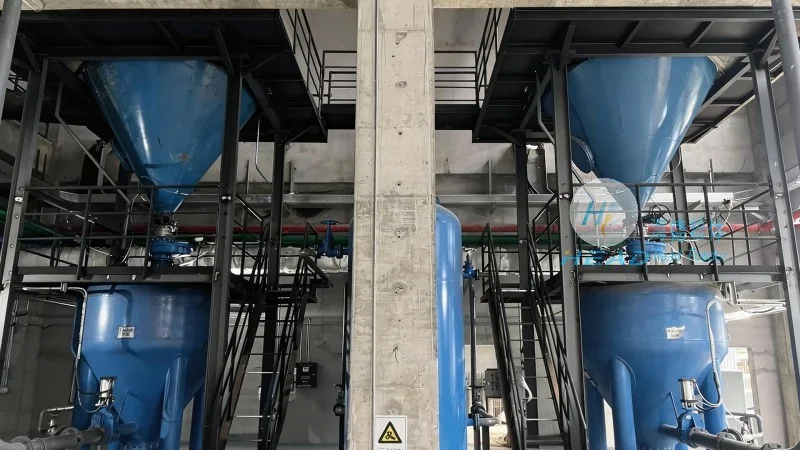
Pneumatic conveying, also known as pneumatic transport, is a method of transporting bulk materials through a pipeline using a stream of air or other gas. This technology is widely used in industries such as food processing, pharmaceuticals, chemicals, and mining, where the safe and efficient movement of powders, granules, and other particulate materials is essential. The system typically consists of a source of material, a conveying line, and a receiver, all connected by a network of pipes and valves. The air or gas is introduced into the system at a controlled pressure, creating a flow that propels the material through the pipeline.
Key Structural Components of Pneumatic Conveying Systems
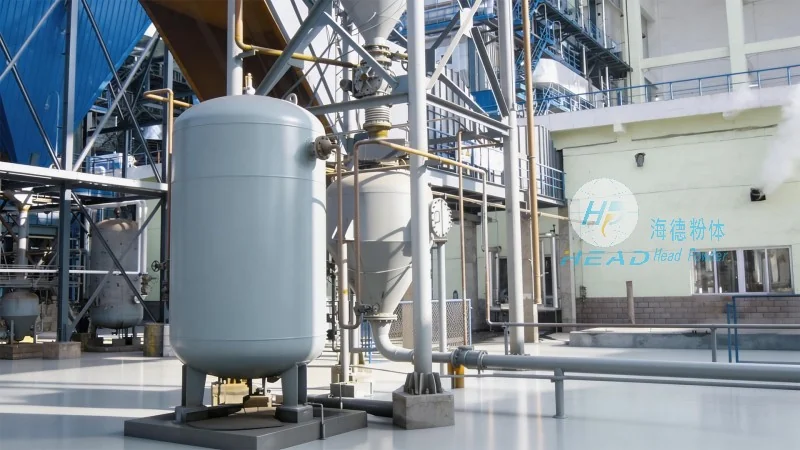
The effectiveness of a pneumatic conveying system depends on its well-designed structural components, each playing a critical role in the overall operation. The main components include the material feeder, which ensures a consistent and controlled flow of material into the system; the conveying line, which can be either positive pressure or negative pressure (or a combination of both), depending on the application; the air or gas source, which provides the necessary pressure and flow rate; and the receiver, where the material is collected after being transported through the pipeline. Additionally, the system may include accessories such as filters, cyclones, and pressure regulators to maintain system efficiency and prevent material degradation or contamination.
The Operational Principle of Pneumatic Conveying
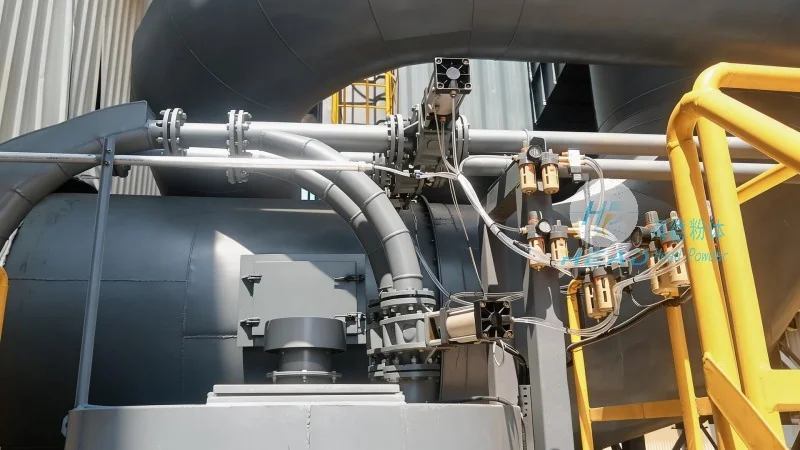
The core principle of pneumatic conveying is the use of air or gas to create a flow that transports the material. In positive pressure systems, air is blown into the conveying line at a pressure higher than the ambient air, pushing the material forward. In negative pressure systems, air is drawn out of the line, creating a vacuum that pulls the material into the pipeline. The velocity of the air or gas is a critical factor, as it must be sufficient to overcome the resistance of the material and the friction within the pipeline while maintaining the material in a suspended state. Proper design of the system ensures that the material remains in a fluidized state throughout the conveying process, minimizing particle degradation and ensuring efficient transport.
Applications and Benefits of Pneumatic Conveying
Pneumatic conveying systems are versatile and can be adapted to a wide range of applications, from short-distance transport within a facility to long-distance transport over several kilometers. The benefits of using pneumatic conveying include improved safety, as the material is contained within a closed system, reducing the risk of dust exposure and environmental contamination. It also offers high efficiency and speed, allowing for continuous operation and reduced downtime. Additionally, the system can handle a variety of materials, including abrasive or corrosive substances, and can be integrated with other processing equipment to form a complete production line.
HeadPowder Engineering's Expertise in Pneumatic Conveying
At Shandong HeadPowder Engineering Co., Ltd., we leverage our extensive experience and technical expertise to design and deliver customized pneumatic conveying solutions tailored to our clients' specific needs. Our team of engineers and technicians works closely with clients to understand their operational requirements, material characteristics, and production goals, ensuring that the final system is optimized for performance, reliability, and cost-effectiveness. We utilize advanced design software and rigorous testing protocols to ensure that our systems meet or exceed industry standards and provide long-term value to our clients. Whether it's a new installation or an upgrade to an existing system, HeadPowder Engineering is committed to providing high-quality, reliable pneumatic conveying solutions that enhance operational efficiency and productivity.