

Operation Process and Working Principle of Soap Granule Powder Pneumatic Conveying Machine
The soap granule powder pneumatic conveying machine is a specialized equipment designed for the efficient transportation of soap granules and other fine powders. As a key component in material handling systems, this machine ensures reliable and low-cost movement of bulk materials over short to medium distances. The design incorporates advanced pneumatic technology, enabling it to handle various powder characteristics while maintaining high operational efficiency and minimal material degradation.
Key Components and Structure of the Pneumatic Conveying System
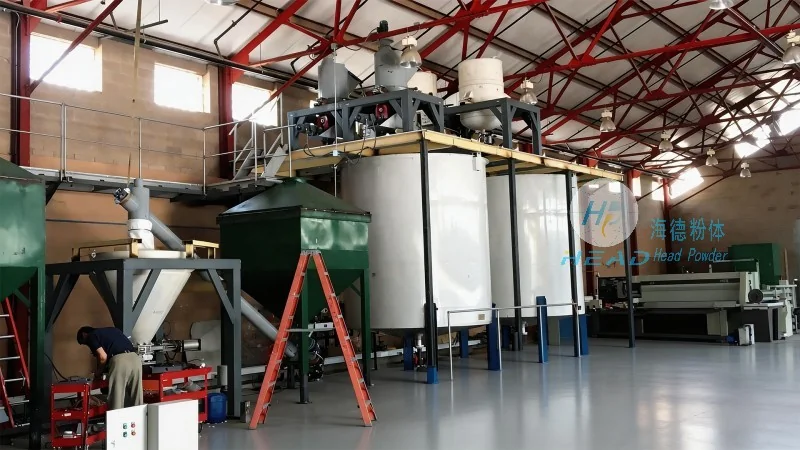
The soap granule powder pneumatic conveying machine consists of several critical components that work in harmony to achieve effective material transport. The main parts include the hopper for material storage, the air compressor or blower that generates the necessary air pressure, the pipeline system for conveying the material-air mixture, and the discharge outlet where the material is released. Each component is engineered to withstand the specific demands of soap granule handling, ensuring durability and consistent performance. The hopper is typically equipped with a feeding mechanism, such as a screw feeder or a rotary valve, to control the flow of granules into the system. The air compressor provides the driving force, creating a pressure differential that propels the material through the pipeline. The pipeline network may include bends, elbows, and filters to maintain the integrity of the conveying process and prevent blockages or contamination.
Operation Process of the Pneumatic Conveying Machine
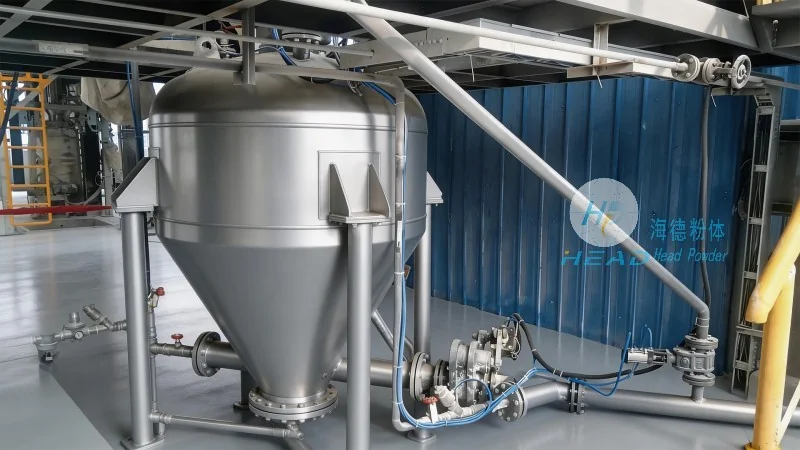
The operation of the soap granule powder pneumatic conveying machine follows a systematic sequence to ensure smooth material transfer. Initially, the soap granules are fed into the hopper from the storage silo or batch container. The feeding mechanism then regulates the flow rate, ensuring a consistent supply of material to the conveying system. Simultaneously, the air compressor starts and generates a flow of compressed air. The air is introduced into the hopper, creating a negative pressure or positive pressure environment depending on the system configuration. In a typical positive pressure system, the air pushes the material through the pipeline, while in a negative pressure system, the air pulls the material from the hopper. As the material-air mixture travels through the pipeline, it encounters various sections, including straight runs, bends, and filters. The filters are crucial for removing any dust or debris that may have been entrained during the conveying process, ensuring the material remains clean and free from contaminants. The discharge outlet at the end of the pipeline releases the material into the receiving container or processing unit. The entire process is controlled by a programmable logic controller (PLC) or a similar control system, which monitors parameters such as air pressure, material flow rate, and system pressure to maintain optimal operation. This automation ensures that the machine operates efficiently and safely, minimizing downtime and maximizing productivity.
Working Principle of the Pneumatic Conveying System
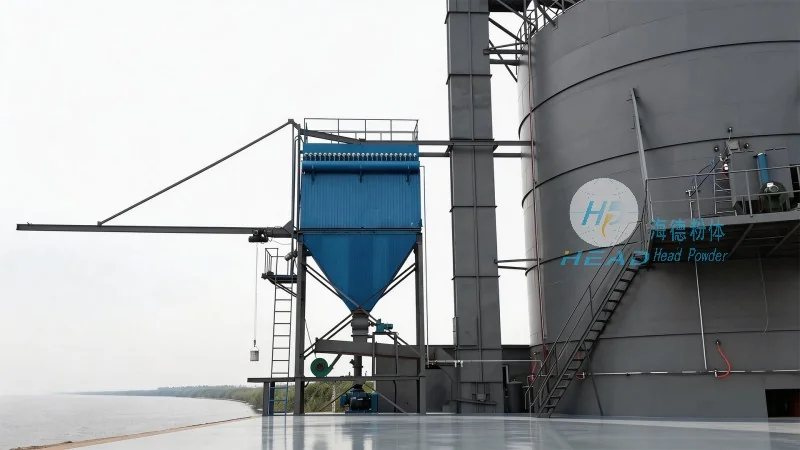
The working principle of the soap granule powder pneumatic conveying machine is based on the fundamental physics of fluid dynamics and particle movement. The core concept is to use compressed air to create a flow that transports the powder particles through the pipeline. In a positive pressure system, the air compressor supplies high-pressure air that enters the hopper, creating a pressure higher than the ambient air. This pressure differential forces the soap granules to be carried along with the air stream as it moves through the pipeline. The velocity of the air is maintained at a level sufficient to overcome the gravitational force acting on the particles and to prevent settling or clogging. The air velocity is typically in the range of 20 to 30 meters per second, depending on the particle size and density of the soap granules. In a negative pressure system, the air is drawn from the pipeline and expelled through a vent, creating a suction effect that pulls the material from the hopper. This system is often used for shorter conveying distances or when the material needs to be transported from a higher elevation to a lower one. The choice between positive and negative pressure systems depends on factors such as the distance to be covered, the height difference, and the material characteristics. The pneumatic conveying process also involves the concept of "fluidization," where the air flow causes the powder particles to behave like a fluid, allowing them to be moved easily through the pipeline. This fluidization effect is critical for preventing agglomeration and ensuring uniform transport of the soap granules.