

Operation Process and Working Principle of High-Pressure Powder Pneumatic Conveying Machine
High-pressure powder pneumatic conveying machines are essential equipment in modern material handling systems, designed to transport bulk powders efficiently and reliably over long distances. These machines operate on the principle of using compressed air to move powder materials through a pipeline network, offering advantages such as low maintenance, minimal product contamination, and the ability to handle a wide range of powder types. The following sections detail the operation process and working principles of such equipment, providing a comprehensive understanding for users and potential clients.
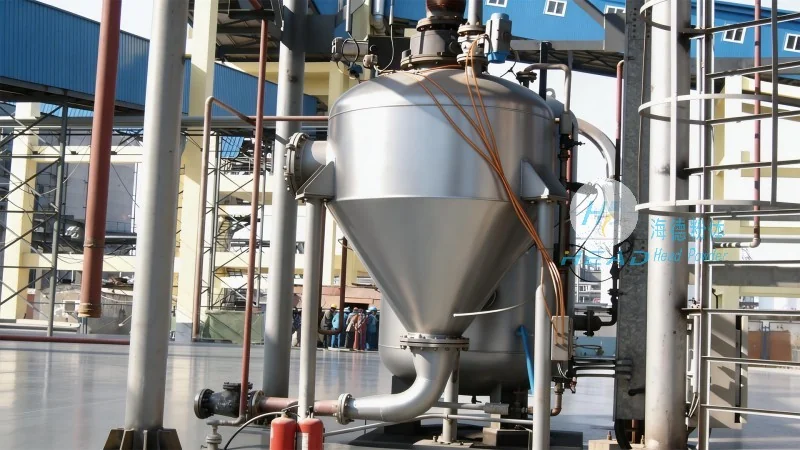
Overview of High-Pressure Powder Pneumatic Conveying Systems
High-pressure pneumatic conveying systems are engineered to handle powders with high efficiency and precision. Unlike low-pressure systems, which rely on lower air pressures and larger duct sizes, high-pressure systems utilize higher air pressures (typically ranging from 0.5 to 2.5 MPa) to achieve greater conveying distances and higher material throughput. This technology is widely used in industries such as food processing, pharmaceuticals, chemicals, and mining, where the integrity and purity of the conveyed material are critical.
Key Components of High-Pressure Powder Pneumatic Conveying Machines
The core components of a high-pressure powder pneumatic conveying system include the air compressor, material feed system, conveying pipeline, and control valves. The air compressor generates the necessary high-pressure air, which is then directed into the pipeline. The material feed system, often equipped with a hopper and a rotary valve, ensures a controlled and continuous feed of the powder into the system. The conveying pipeline, typically made of stainless steel or other corrosion-resistant materials, transports the powder-air mixture from the source to the destination. Control valves, such as check valves and flow control valves, regulate the air flow and pressure to maintain optimal conveying conditions.
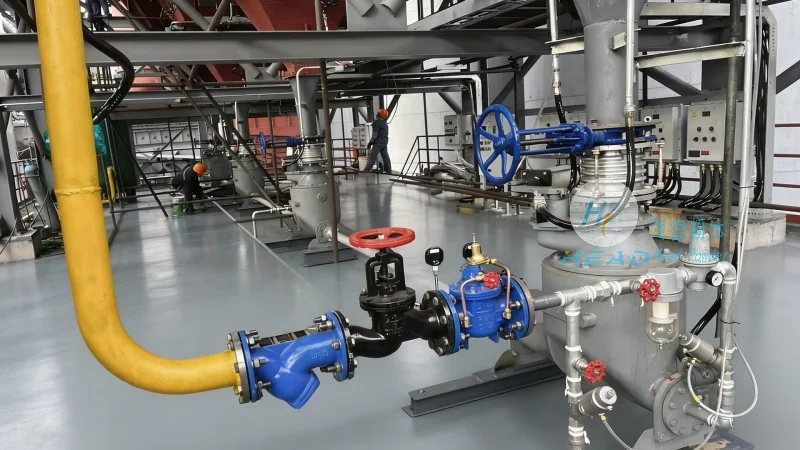
Operation Process of High-Pressure Powder Pneumatic Conveying
The operation process of a high-pressure powder pneumatic conveying machine involves several sequential steps. First, the air compressor is activated, generating high-pressure air that fills the conveying pipeline. Simultaneously, the rotary valve in the material feed system opens, allowing the powder to be drawn into the pipeline by the high-pressure air. The powder is then mixed with the air, forming a dense air-powder mixture that travels through the pipeline at high velocity. As the mixture moves, it passes through any necessary equipment, such as filters or cyclones, which may be used to separate the powder from the air or to control the flow. Finally, the mixture reaches the discharge point, where the powder is released and the air is either recirculated or vented. The entire process is typically automated, with control systems monitoring and adjusting parameters such as air pressure, flow rate, and material feed rate to ensure consistent performance.
Working Principle of High-Pressure Powder Pneumatic Conveying
The working principle of high-pressure powder pneumatic conveying is based on the Bernoulli principle and the concept of fluidization. The high-pressure air creates a pressure differential between the inlet and outlet of the conveying pipeline, which propels the powder particles forward. The air acts as a fluid medium, suspending the powder particles and allowing them to be transported as a slurry. The velocity of the air in the pipeline is critical; it must be sufficient to keep the powder particles suspended and prevent them from settling or clogging the system. The pressure drop along the pipeline is also a key factor, as it determines the energy required to transport the material. By optimizing these parameters, high-pressure systems can achieve efficient and reliable powder transport.
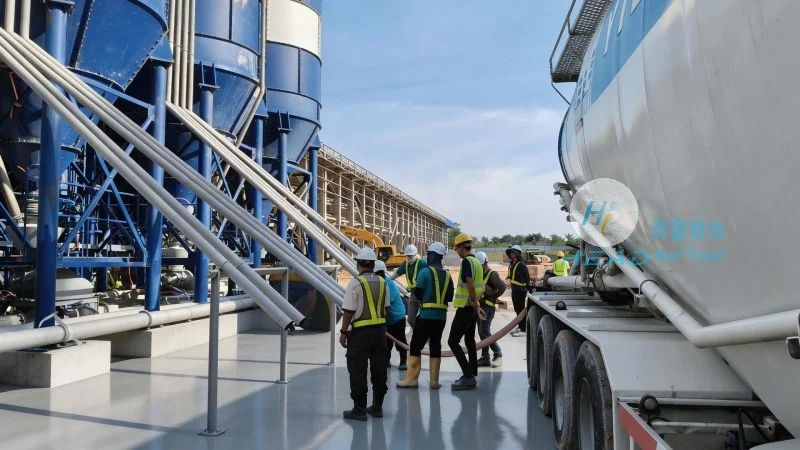
Advantages of High-Pressure Powder Pneumatic Conveying Machines
High-pressure powder pneumatic conveying machines offer several advantages over other material handling methods. These include the ability to handle abrasive or corrosive powders without causing wear or damage to the equipment, minimal product contamination due to the closed system, and the flexibility to transport materials over long distances without the need for intermediate storage or handling. Additionally, these systems are relatively compact and can be integrated into existing production lines, reducing space requirements and installation costs. The automated operation and control systems also minimize the need for manual intervention, improving safety and operational efficiency.
Applications and Industries
High-pressure powder pneumatic conveying machines are used in a variety of industries where bulk powder handling is required. In the food industry, they are used to transport ingredients such as flour, sugar, and spices, ensuring that the products remain fresh and uncontaminated. In the pharmaceutical industry, these systems are critical for handling active pharmaceutical ingredients (APIs) and other sensitive materials, where purity and sterility are paramount. The chemical industry utilizes high-pressure systems to transport chemicals, powders, and reagents, while the mining industry uses them to transport minerals and ores from processing plants to storage or further processing facilities. The versatility of high-pressure pneumatic conveying makes it a preferred choice in many sectors.
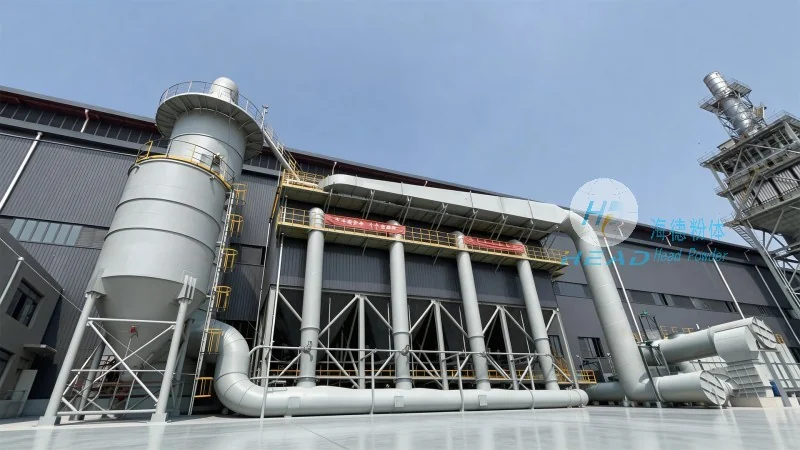
Maintenance and Operational Considerations
Proper maintenance is essential to ensure the long-term performance and reliability of high-pressure powder pneumatic conveying machines. Regular checks of the air compressor, material feed system, and conveying pipeline are necessary to identify and address any issues before they become major problems. The rotary valve and other moving parts should be lubricated and inspected regularly to prevent wear and tear. The air filtration system should be cleaned or replaced as needed to maintain air quality and prevent dust accumulation. Additionally, monitoring the pressure and flow rates during operation helps in detecting any deviations from optimal conditions, allowing for timely adjustments. By following these maintenance practices, users can maximize the lifespan of the equipment and minimize downtime.
Conclusion
High-pressure powder pneumatic conveying machines are advanced and efficient solutions for bulk powder transport, offering numerous benefits over traditional methods. By understanding the operation process and working principles of these systems, users can make informed decisions about their material handling needs. The technology, combined with the expertise of manufacturers like Shandong HeadPowder Engineering Co., Ltd., continues to evolve, providing even more reliable and effective solutions for industries worldwide. Whether used in food processing, pharmaceuticals, chemicals, or mining, high-pressure pneumatic conveying remains a critical component of modern industrial operations.