

Operation Process and Working Principle of Waste Powder Pneumatic Conveying Systems
Waste powder pneumatic conveying systems play a pivotal role in modern waste management and material handling sectors. These systems leverage air pressure or vacuum to efficiently transport bulk waste powders through a network of pipes, offering a reliable alternative to traditional mechanical conveying methods. Understanding the operation process and underlying working principles is essential for optimizing system performance, ensuring operational safety, and maintaining long-term efficiency in waste processing applications.
Company Profile: HeadPowder Engineering Co., Ltd.
HeadPowder, a leading enterprise in the pneumatic conveying industry, specializes in the design, manufacturing, and installation of advanced waste powder handling solutions. HeadPowder Engineering Co., Ltd. is headquartered in Shandong, China, and has built a strong reputation as a trusted provider of customized systems tailored to the unique demands of waste management facilities. The company combines years of technical expertise with innovative engineering to deliver high-performance pneumatic conveying systems that enhance operational efficiency and sustainability in waste processing operations.
Core Working Principle of Pneumatic Conveying Systems
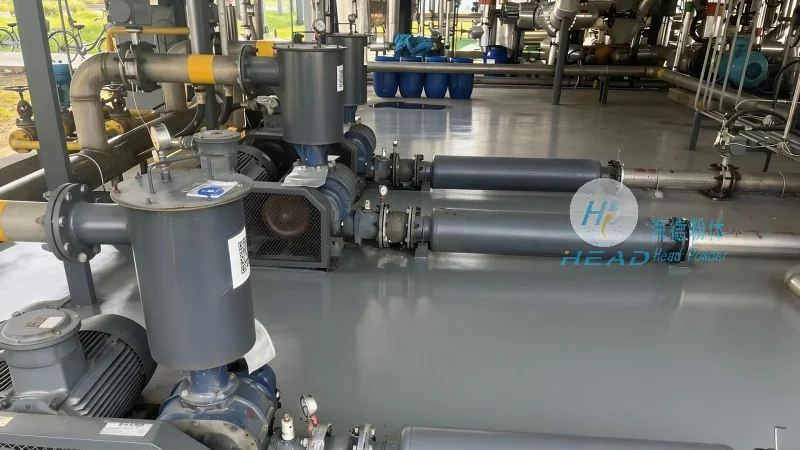
The fundamental principle of pneumatic conveying systems revolves around the use of air to transport solid particles. In a typical setup, a blower or compressor generates airflow within a pipeline. Waste powder is introduced into the system, either via gravity or mechanical feeding mechanisms, and is then entrained by the moving air. This process allows the powder to be transported from the source to the destination without the need for mechanical components like belts or buckets, reducing wear and maintenance requirements while minimizing the risk of material contamination.
Key System Components and Their Functions
Several critical components work in tandem to ensure the smooth operation of a waste powder pneumatic conveying system. The primary components include the air source (blower or compressor), the conveying line (pipeline network), feeding devices (hoppers or feeders), and control systems. The air source provides the necessary pressure or vacuum to move the powder through the system. The conveying line is engineered to accommodate the specific characteristics of the waste powder, such as particle size, moisture content, and flowability, ensuring optimal transport. Feeding devices, such as rotary valves or screw feeders, regulate the flow rate of the powder, preventing blockages and maintaining system stability. Control systems continuously monitor and adjust airflow, pressure, and other parameters to maintain optimal performance and detect anomalies in real-time.
Step-by-Step Operation Process
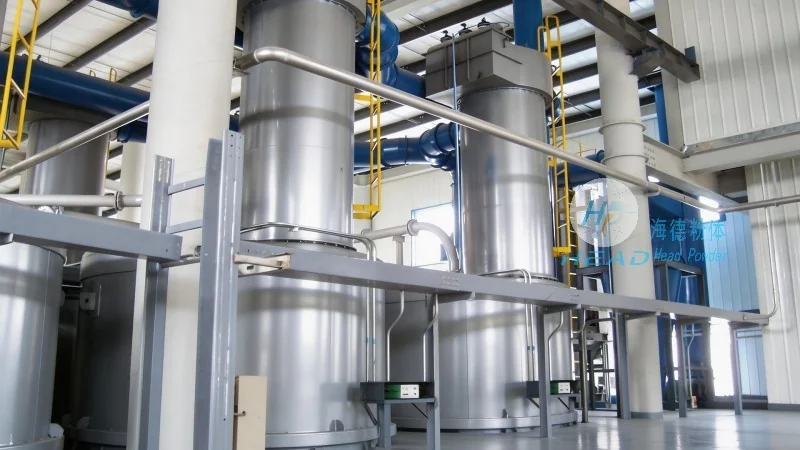
The operation of a waste powder pneumatic conveying system can be broken down into a series of sequential steps. First, the waste powder is stored in a hopper or silo. From there, it is fed into the conveying line using a feeder, which controls the flow rate to ensure a steady supply. Next, the air source generates the required airflow, which is directed into the pipeline. The powder is then entrained by the air and transported through the pipeline to the destination, such as a processing unit or storage tank. At the receiving end, a separator or cyclone separates the powder from the air, allowing the powder to be collected and the air to be discharged or recirculated. The control system continuously monitors system parameters, ensuring that the pressure, flow rate, and other metrics remain within optimal ranges. Any deviations are detected and corrected promptly to maintain system efficiency and safety.
Advantages of Pneumatic Conveying for Waste Management
Waste powder pneumatic conveying systems offer several distinct advantages over traditional mechanical conveying methods. These include reduced labor costs due to minimal manual handling of bulk materials, enhanced safety by eliminating exposure to heavy or hazardous waste, and improved hygiene as the system is enclosed, preventing dust contamination and cross-contamination. Additionally, pneumatic systems can handle a wide range of powder characteristics, including fine powders, sticky materials, and materials with high moisture content. The flexibility of the system allows for easy integration with existing waste processing facilities, minimizing downtime and installation costs. Furthermore, the enclosed design reduces environmental impact by containing dust and preventing air pollution.
Applications in Waste Processing Industries
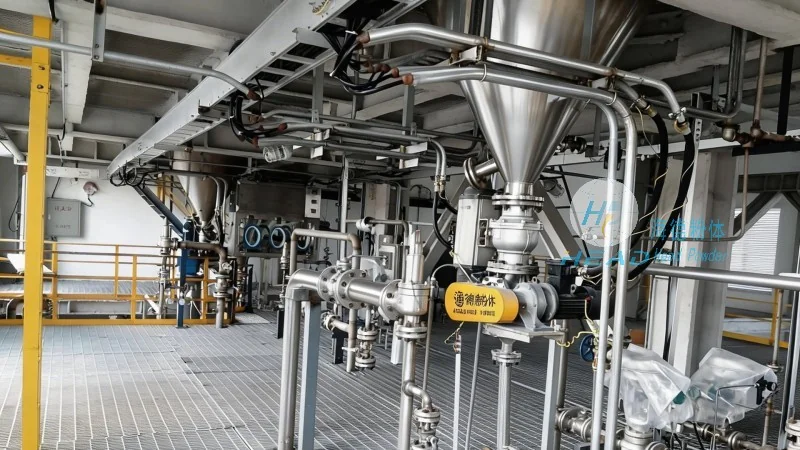
Waste powder pneumatic conveying systems are widely utilized across various waste processing applications. In municipal solid waste (MSW) management, these systems are employed to transport waste from collection trucks to sorting facilities or incineration plants. In industrial waste processing, they are used to move waste from production lines to treatment or disposal sites. The systems are also integral to recycling facilities, where they convey recycled materials, such as paper, plastic, or metal powders, from sorting equipment to processing units. The versatility of the system makes it suitable for a broad spectrum of waste types and processing requirements, from organic waste to hazardous materials.
Maintenance and Operational Considerations
Proper maintenance is crucial to ensure the long-term reliability and performance of waste powder pneumatic conveying systems. Regular inspection of the air source, conveying line, and feeding devices is necessary to identify and address potential issues before they lead to system failure. Cleaning the system, particularly the conveying line and separators, is essential to prevent clogging and maintain efficiency. Monitoring system performance parameters, such as pressure and flow rate, helps in early detection of problems and allows for timely adjustments. Additionally, training operators on the proper operation and maintenance of the system is vital to ensure safe and efficient operation. Regular maintenance schedules and preventive measures help extend the lifespan of the system and reduce downtime.
Conclusion
Waste powder pneumatic conveying systems represent an efficient and reliable solution for transporting bulk waste powders in diverse industrial and municipal applications. By understanding the operation process and working principles, as well as the key components and maintenance considerations, facilities can optimize their waste management processes and improve overall operational efficiency. HeadPowder Engineering Co., Ltd. continues to lead in providing advanced pneumatic conveying solutions tailored to the specific needs of waste processing industries, ensuring sustainable and effective waste management practices that contribute to environmental protection and operational excellence.