

Operation Process and Working Principle of Textile Fiber Material Handling Equipment
Textile fiber material handling equipment is a critical component in the textile manufacturing process, enabling the efficient transportation and management of raw fibers. HeadPowder, a leading manufacturer based in Shandong, China, specializes in designing and producing advanced material handling systems tailored to the specific needs of the textile industry. These systems are engineered to handle a wide range of fibers, including natural and synthetic materials, and are designed to enhance operational efficiency and reduce manual labor in textile facilities.
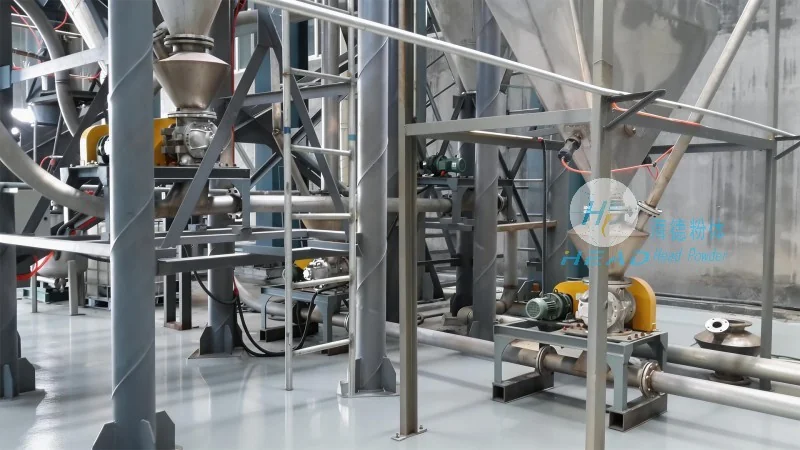
Overview of Textile Fiber Material Handling Equipment
Textile fiber material handling equipment encompasses a range of machinery and systems engineered to transport, store, and manage textile fibers. These systems are integral to optimizing workflow in textile manufacturing facilities, reducing manual labor, and enhancing overall operational efficiency. The equipment typically includes conveyors, elevators, storage silos, and automated sorting mechanisms, each tailored to specific fiber types and processing requirements. HeadPowder's expertise lies in customizing these systems to meet the unique demands of different textile applications, ensuring seamless integration with existing production lines.
Key Components and Their Functions
The core components of textile fiber material handling equipment include feed hoppers, conveyor belts, pneumatic systems, and control panels. Feed hoppers are used to receive raw fiber materials from trucks or storage silos, ensuring a consistent flow into the processing line. Conveyor belts, often equipped with special coatings or textures, transport fibers horizontally or vertically, adapting to different material characteristics and processing stages. Pneumatic systems, such as air slides or air lifts, utilize compressed air to move fibers through ducts, providing gentle handling and minimal damage to delicate fibers. Control panels, integrated with sensors and automation software, monitor and regulate the entire system, ensuring precise control over speed, direction, and material flow. Each component is designed to work in harmony, optimizing the overall performance of the material handling system.
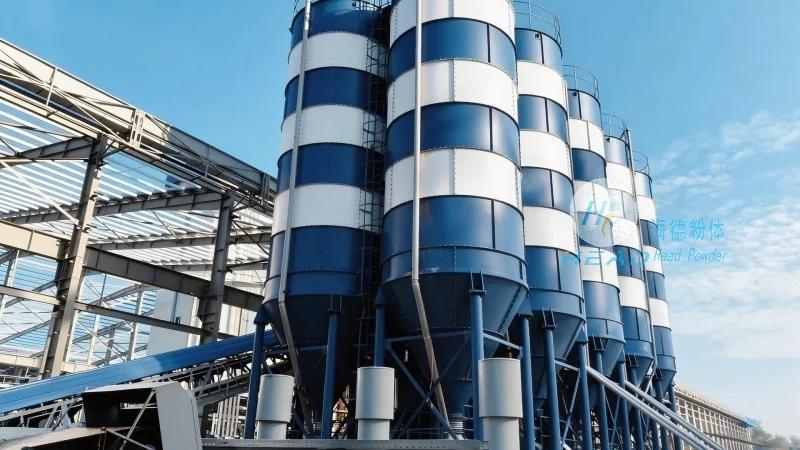
Operation Process: From Raw Material to Finished Product
The operation process of textile fiber material handling equipment begins with the intake of raw fibers. Materials are typically delivered to the facility via trucks and unloaded into large storage silos or hoppers. The equipment then transfers these fibers into the processing line through a series of conveyors and elevators. As fibers move through the system, they may undergo sorting, cleaning, or blending processes to ensure uniform quality. The final stage involves transporting processed fibers to spinning machines or storage areas, where they are prepared for further manufacturing steps. This seamless integration of components ensures a continuous and efficient workflow, minimizing downtime and maximizing productivity. The process is carefully controlled to maintain consistent fiber quality, which is crucial for producing high-quality textile products.
Working Principle: Mechanical and Pneumatic Integration
The working principle of textile fiber material handling equipment combines mechanical and pneumatic technologies to achieve optimal performance. Mechanical components, such as conveyor belts and rollers, provide the primary means of material transport, leveraging gravity and motor-driven systems to move fibers. Pneumatic systems, on the other hand, utilize air pressure to create a gentle, low-impact flow, which is particularly beneficial for delicate fibers that require minimal friction or compression. The integration of these technologies allows for flexible and adaptable handling, accommodating various fiber types and processing conditions. Sensors and feedback mechanisms continuously monitor the system's performance, adjusting parameters in real-time to maintain consistent quality and efficiency. This dual approach ensures that the equipment can handle both bulk and delicate fibers with equal effectiveness, making it suitable for a wide range of textile applications.

Technical Advantages and Industry Applications
Textile fiber material handling equipment offers several technical advantages, including high capacity, low energy consumption, and minimal material damage. The equipment is designed to handle large volumes of fibers while maintaining precise control over flow rates and direction. This efficiency reduces operational costs and enhances overall productivity in textile manufacturing. The systems are widely used in various applications, from raw material storage and transport to intermediate processing and final product delivery. Industries such as cotton ginning, polyester production, and synthetic fiber manufacturing rely on these systems to streamline their operations and meet increasing demand for high-quality textile products. HeadPowder's systems are particularly noted for their durability and adaptability, making them a preferred choice for textile manufacturers seeking reliable and efficient material handling solutions.
Maintenance and Operational Considerations
Proper maintenance is essential to ensure the reliable operation of textile fiber material handling equipment. Regular cleaning of conveyor belts and ducts prevents fiber buildup and reduces the risk of blockages. Lubrication of mechanical components and inspection of pneumatic systems are also critical to maintaining optimal performance. Operational considerations include monitoring system performance, adjusting settings based on fiber type and processing requirements, and training personnel on proper equipment operation. By adhering to these maintenance and operational guidelines, textile manufacturers can maximize the lifespan of their equipment and minimize downtime, ensuring consistent and efficient production. HeadPowder provides comprehensive maintenance services and technical support to help clients maintain their equipment in top condition, further enhancing the reliability and performance of their material handling systems.