

Operating Process and Working Principle of Polyurethane Material Handling Equipment
HeadPowder, a leading manufacturer based in Shandong, China, specializes in the design and production of advanced polyurethane material handling equipment. This article provides a detailed overview of the operating process and working principles of such equipment, highlighting the technical aspects and practical applications that make these systems efficient and reliable in various industrial settings.
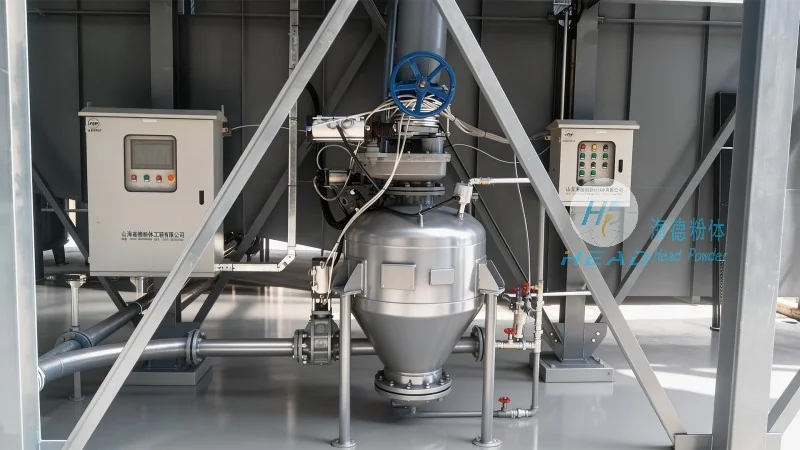
Introduction to Polyurethane Material Handling Equipment
Polyurethane material handling equipment is widely used in industries such as food processing, chemical manufacturing, and mining due to its durability, flexibility, and resistance to abrasion and corrosion. These systems are designed to transport bulk materials, powders, and granules with precision and efficiency. The equipment typically includes components like conveyor belts, feeders, and transfer units, all of which are constructed using high-quality polyurethane materials that ensure long service life and minimal maintenance.
Key Components and Their Functions
The core components of a polyurethane material handling system include the conveyor belt, drive system, idler rollers, and feeding mechanisms. The conveyor belt, often made from reinforced polyurethane, serves as the primary transport medium, carrying the material from one point to another. The drive system, which may consist of electric motors and gearboxes, provides the necessary power to move the belt at a controlled speed. Idler rollers are strategically placed along the conveyor to support the belt and maintain proper alignment, preventing sagging or misalignment that could affect performance. The feeding mechanisms, such as screw feeders or vibratory feeders, regulate the flow of material onto the conveyor, ensuring consistent and uniform loading.
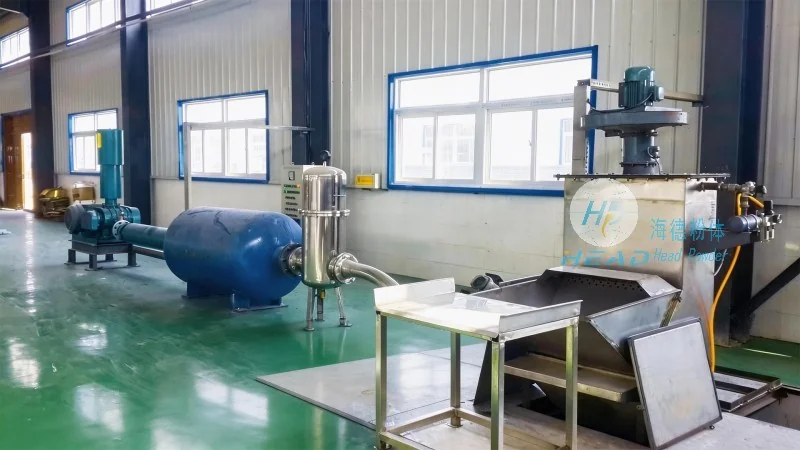
The Operating Process: Step-by-Step
The operation of polyurethane material handling equipment follows a systematic process that ensures smooth material transport. The process begins with the material being fed into the system through the feeding mechanism. The material is then transferred onto the conveyor belt, where it moves along the designated path. As the belt rotates, the material is carried to the discharge point, where it is released into a storage bin or processing unit. The speed of the conveyor belt is adjustable, allowing operators to control the flow rate based on the specific requirements of the application. This flexibility is crucial for maintaining optimal production rates and preventing material buildup or overloading.
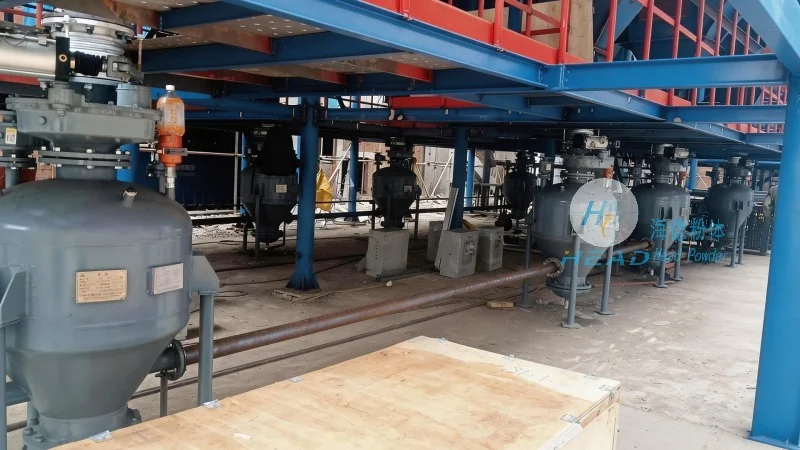
Working Principle: How It Works
The working principle of polyurethane material handling equipment is based on the mechanics of belt movement and material transfer. The drive system activates the motor, which in turn rotates the drive pulley attached to the conveyor belt. The friction between the belt and the pulley causes the belt to move, and as it moves, the material placed on the belt is carried along with it. The idler rollers provide support and guide the belt, ensuring that it remains in contact with the pulley and maintains the correct tension. The feeding mechanism plays a critical role by controlling the amount of material that enters the system, preventing excess material from clogging the conveyor or causing damage to the components. The entire process is designed to be energy-efficient and low-maintenance, with polyurethane components offering resistance to wear and tear, reducing the need for frequent replacements.
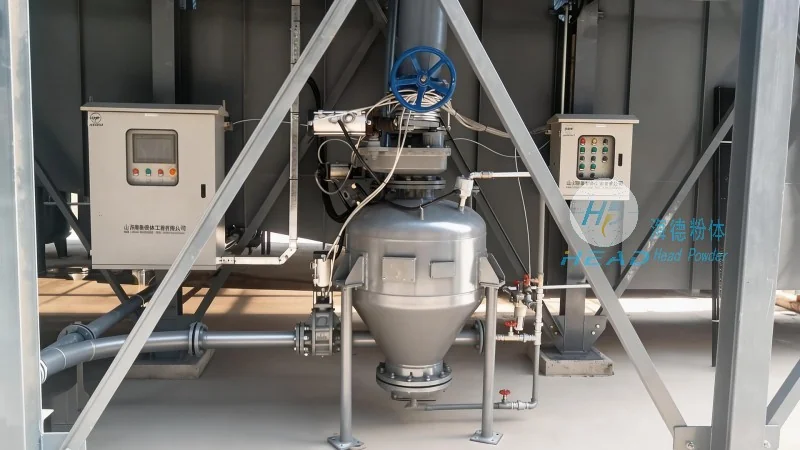
Advantages and Applications
Polyurethane material handling equipment offers several advantages over traditional metal or rubber systems. The polyurethane material is highly resistant to abrasion, which is essential for handling abrasive materials like sand, gravel, or chemicals. It also provides excellent chemical resistance, making it suitable for use in environments where corrosive substances are present. Additionally, the equipment is lightweight and easy to install, reducing the overall cost and time required for setup. These advantages make polyurethane material handling systems ideal for a wide range of applications, including food processing, pharmaceutical manufacturing, and mining operations, where material transport efficiency and durability are paramount.
Conclusion
HeadPowder's polyurethane material handling equipment exemplifies the advanced technology and engineering expertise that has made the company a trusted name in the industry. By understanding the operating process and working principles of these systems, users can optimize their performance and ensure reliable material transport in their industrial operations. The combination of durable polyurethane components, efficient drive systems, and precise feeding mechanisms makes these equipment ideal for various applications, contributing to increased productivity and reduced maintenance costs.