

Operation Process and Working Principle of Silage Powder Conveying Machine
For agricultural operations dealing with silage, efficient and reliable powder conveying is crucial for maintaining the quality and consistency of the feed. The silage powder conveying machine, developed by Shandong HeadPowder Engineering Co., Ltd., is a specialized equipment designed to handle the transportation of silage powder with precision and efficiency. This article delves into the operation process and working principle of such machines, highlighting their key components and how they function to meet the demands of modern agricultural practices.
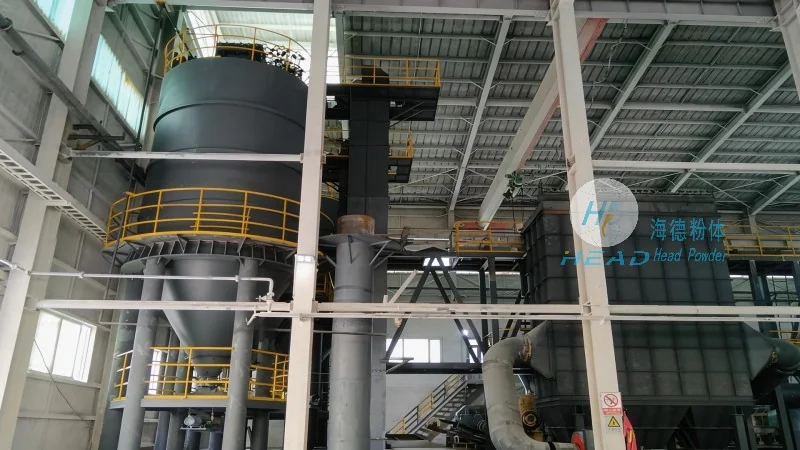
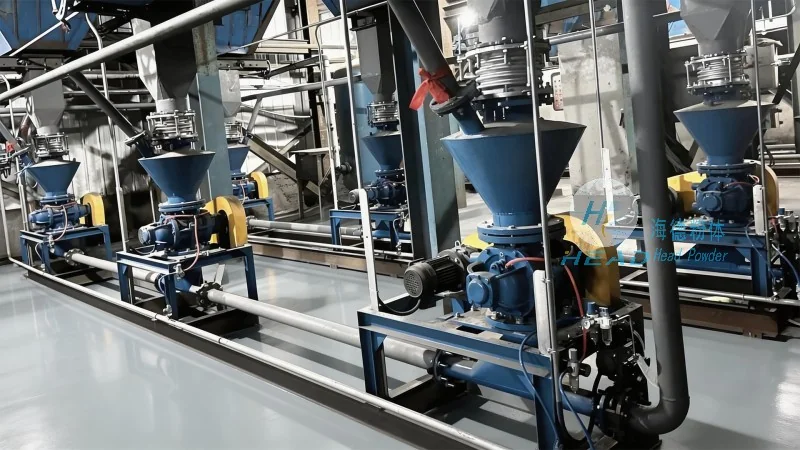
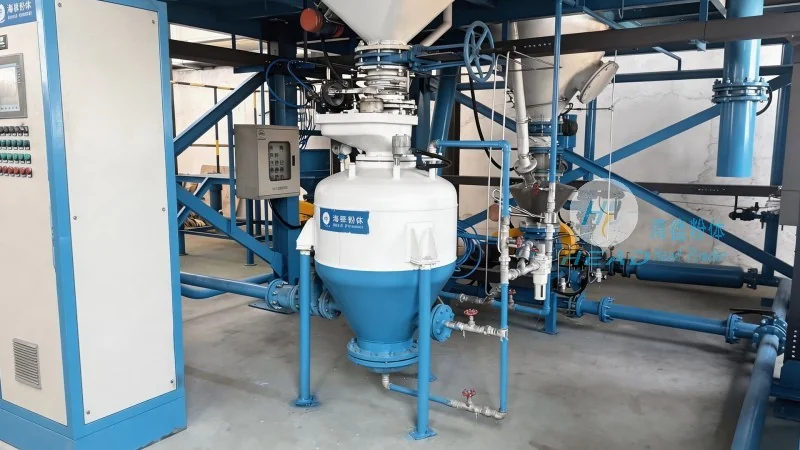
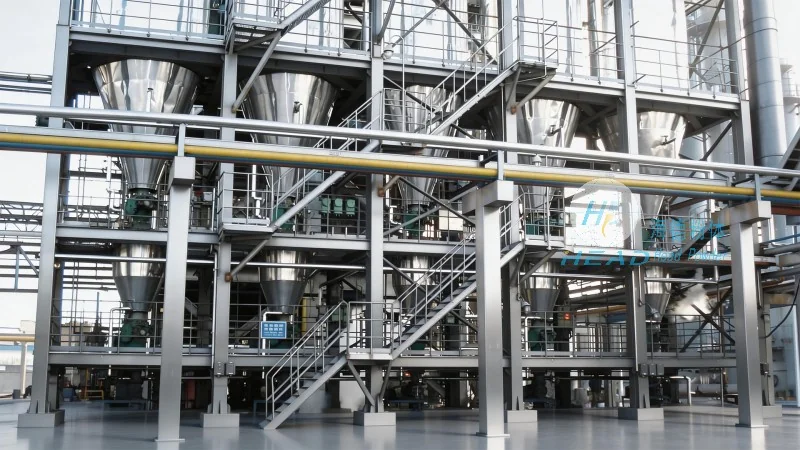
Key Components of Silage Powder Conveying Machines
The silage powder conveying machine, as a specialized piece of equipment for agricultural feed processing, comprises several critical components that work in concert to achieve efficient material handling. The primary components include a robust hopper for storing silage powder, a conveyor system (typically a screw or pneumatic conveyor) for transporting the material, a high-efficiency motor for power transmission, and a user-friendly control panel for operation and monitoring. The hopper is designed with a wide opening and a sloped interior to facilitate easy feeding of silage powder, preventing material bridging or clogging. It is often equipped with a material level sensor to provide real-time feedback on the powder quantity, ensuring optimal operation. The conveyor system, which may be a screw conveyor with rotating augers or a pneumatic conveyor with air jets, is responsible for moving the powder from the hopper to the discharge point. The motor, usually an electric motor with variable speed capabilities, drives the conveyor at adjustable speeds, allowing operators to control the flow rate precisely. The control panel integrates various functions, including start/stop controls, speed adjustment, and safety features like overload protection and emergency stop buttons. Additionally, the machine may include a cleaning system to remove residual powder from the hopper and conveyor, maintaining hygiene and preventing contamination.
Working Principle of Silage Powder Conveying Machines
The working principle of the silage powder conveying machine is based on mechanical and pneumatic transport mechanisms, tailored to handle the unique properties of silage powder. When the machine is activated, silage powder is fed into the hopper from the source, such as a silage storage silo or a processing facility. The powder then flows into the conveyor system, where it is moved along the path of the machine. In a screw conveyor configuration, the rotating auger (or screw) pushes the powder forward through the conveyor tube. The auger’s design, with its helical blades, creates a continuous flow by lifting and transporting the powder, minimizing the risk of clogging and ensuring consistent movement. The motor drives the auger at a controlled speed, which can be adjusted via the control panel to match the processing requirements. For example, a higher speed may be used for transporting larger quantities of powder, while a lower speed is suitable for delicate or fine silage powder to prevent breakage. The pneumatic conveyor system, if used, operates by injecting compressed air into the conveyor tube, creating a flow that carries the powder through the system. This method is particularly effective for handling fine or dusty silage powder, as it reduces friction and prevents material buildup. The working principle also involves the use of pressure and vacuum systems to control the flow direction and speed, ensuring the powder is transported efficiently to the discharge point.