

Operation Process and Working Principle of PVC Resin Powder Conveying Line
For industrial applications requiring efficient and reliable transport of PVC resin powders, the PVC resin powder conveying line represents a critical piece of equipment. This system is designed to handle the challenges of material handling, ensuring consistent flow and minimal loss. The following content provides a detailed overview of the operation process and working principle of such a line, along with insights into the company behind its development and implementation.
Company Overview
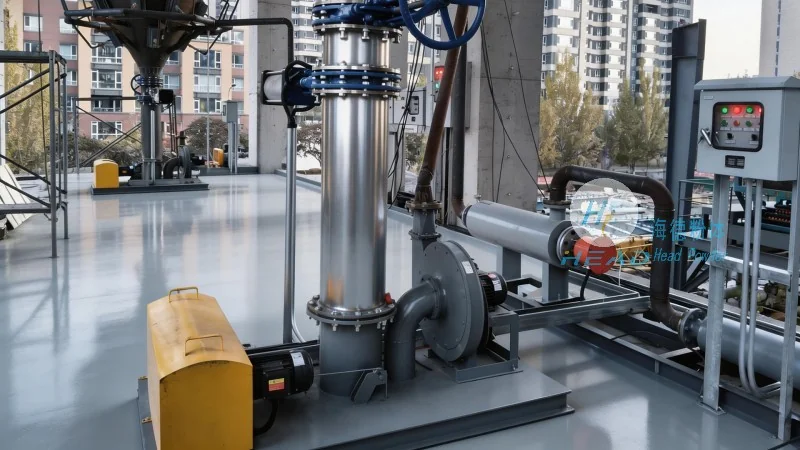
HeadPowder, the professional manufacturer behind this technology, is Shandong HeadPowder Engineering Co., Ltd., a company based in Shandong, China. With a strong commitment to innovation and quality, HeadPowder specializes in engineering solutions for powder handling systems. The company's expertise lies in designing and manufacturing equipment that meets the stringent demands of the plastic and chemical industries, ensuring durability, efficiency, and safety in every project.
The Operation Process of the PVC Resin Powder Conveying Line
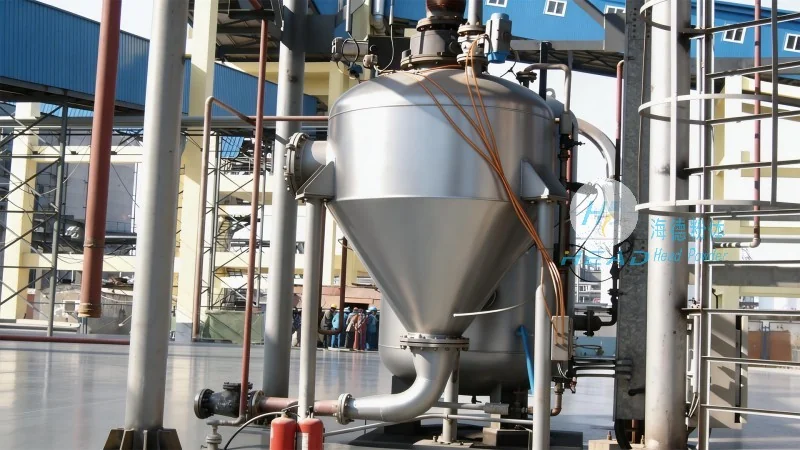
The operation of a PVC resin powder conveying line typically involves several sequential steps that work in harmony to transport the material from its source to the processing unit. The process begins with the loading of PVC resin powder into the hopper or storage silo. From there, the material is fed into the conveying system through a feeder mechanism, which controls the flow rate to maintain a steady supply. The conveying line then uses a combination of components, such as screw conveyors, pneumatic systems, or vacuum pumps, to move the powder through the pipeline. The system is equipped with sensors and control panels that monitor the flow, pressure, and temperature, ensuring optimal performance. At the destination, the powder is discharged into a mixer or processing machine, completing the cycle. This continuous operation allows for seamless integration into production lines, minimizing downtime and maximizing productivity.
Working Principle of the Conveying System
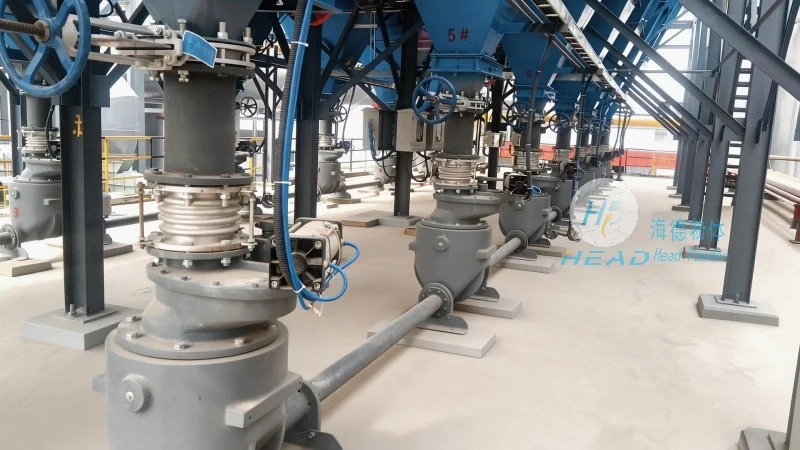
The working principle of a PVC resin powder conveying line is based on the principles of fluid dynamics and mechanical engineering. The system utilizes either mechanical or pneumatic methods to transport the powder. In mechanical systems, screw conveyors or augers rotate to push the material forward, creating a positive pressure that moves the powder through the pipeline. Pneumatic systems, on the other hand, use compressed air to create a negative pressure that draws the powder into the line, similar to a vacuum system. The choice of method depends on factors such as the material's properties, the distance to be covered, and the required flow rate. Both systems are designed to handle the abrasive nature of PVC resin powders, ensuring that the equipment remains durable and efficient over time. The control system plays a crucial role in regulating the speed and pressure, maintaining consistent performance and preventing blockages or overloading.
Key Components and Their Functions
Several key components are integral to the operation of a PVC resin powder conveying line. The hopper or storage silo serves as the initial container, holding the PVC resin powder and providing a consistent feed to the system. The feeder mechanism, often a rotary valve or a vibratory feeder, regulates the flow of material into the conveying line, preventing overfilling and ensuring a steady supply. The conveying component, whether a screw conveyor or a pneumatic pipe, is responsible for moving the powder through the pipeline. For pneumatic systems, the air compressor and vacuum pump generate the necessary pressure and suction to transport the material. The control panel and sensors monitor the system's performance, providing real-time data on flow rate, pressure, and temperature. The discharge unit, such as a rotary valve or a hopper, releases the powder into the next stage of the process. Each component works in tandem to ensure the smooth and efficient operation of the entire system.
Practical Applications and Benefits
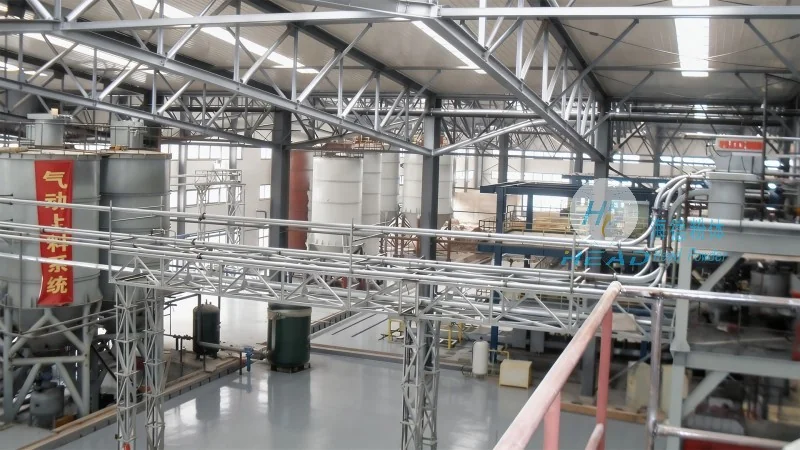
The PVC resin powder conveying line is widely used in various industrial applications, including the production of PVC pipes, sheets, and profiles. In these processes, the efficient transport of PVC resin powder is essential for maintaining consistent product quality and production rates. The benefits of using this system include improved material handling efficiency, reduced labor costs, and minimized material loss. The system also enhances safety by containing the powder within a closed environment, preventing dust emissions and ensuring a clean working environment. Additionally, the automated control system reduces the need for manual intervention, minimizing the risk of human error and improving overall operational reliability. For companies in the plastic and chemical industries, investing in a PVC resin powder conveying line from HeadPowder can lead to significant improvements in productivity, cost savings, and product quality.