

Operation Process and Working Principle of Bag Breakage Pneumatic Conveying Systems
Bag breakage pneumatic conveying systems represent a sophisticated solution in material handling, particularly for bulk materials that are often packaged in bags. These systems are designed to efficiently transfer material from one location to another while simultaneously breaking open the bags to release the contents. The technology integrates pneumatic conveying principles with bag opening mechanisms, offering a seamless and automated process that enhances productivity and reduces manual labor in industrial settings. Shandong HeadPowder Engineering Co., Ltd., a prominent engineering firm based in Shandong, China, specializes in the design, development, and implementation of such systems, leveraging advanced engineering and manufacturing capabilities to deliver high-performance solutions for various industrial applications.
Key Components and Their Functions
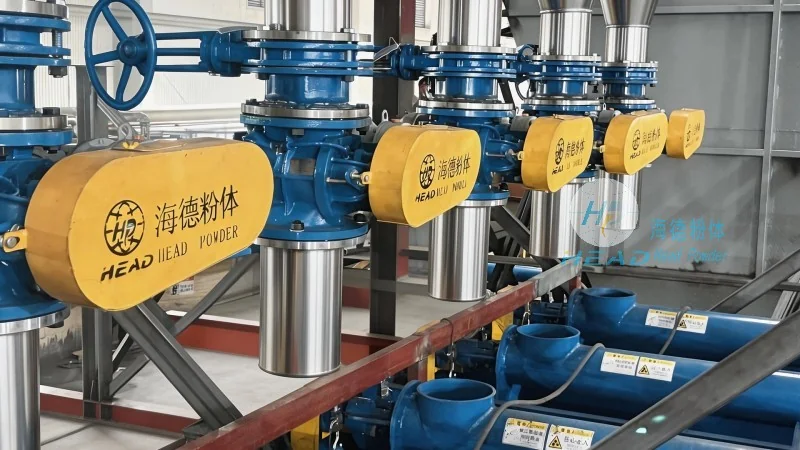
The operation of a bag breakage pneumatic conveying system involves several critical components, each playing a vital role in the overall process. The primary components include the bag opening device, the airlock or feeder, the conveying pipeline, and the material discharge unit. The bag opening device is responsible for rupturing the bag, typically using mechanical or pneumatic means to cut or tear the bag open. This step is crucial as it allows the material inside to be released into the conveying system. The airlock or feeder then ensures a controlled and continuous flow of material from the opened bag into the pipeline. The conveying pipeline, often made of metal or plastic, transports the material using air pressure, either in a positive or negative pressure system. Finally, the material discharge unit collects the conveyed material and delivers it to the intended destination.
Working Principle of the System
The working principle of a bag breakage pneumatic conveying system is based on the movement of material through a pipeline using air as the conveying medium. In a typical operation, the system starts with the placement of a bag containing the material to be conveyed. The bag is then positioned under the bag opening device, which ruptures the bag, allowing the material to fall into the hopper or feeder. The feeder then meters the material and feeds it into the conveying pipeline. Air is then introduced into the pipeline, either by a blower or a vacuum pump, creating a pressure differential that moves the material along the pipeline. The material is carried by the air stream, and as it travels through the pipeline, it is separated from the air at the discharge end. The discharged material is collected and used for further processing or storage.
Operation Process Step-by-Step
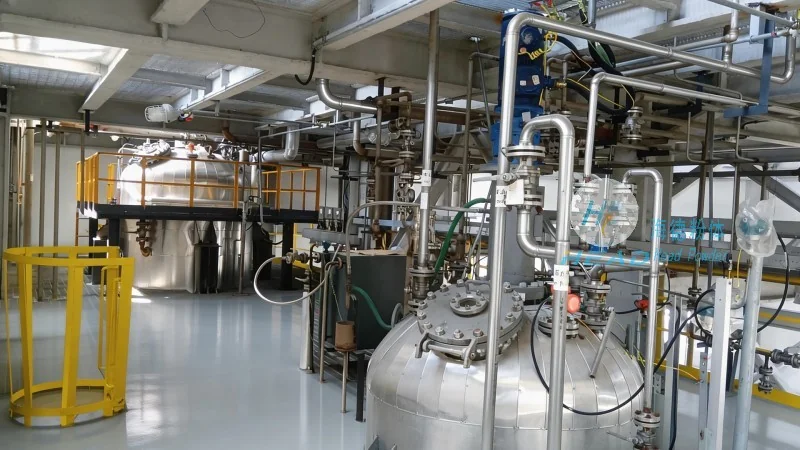
The operation process of a bag breakage pneumatic conveying system can be broken down into several sequential steps. First, the bag is placed in the system, ensuring it is properly positioned under the bag opening mechanism. The bag opening device then activates, rupturing the bag and releasing the material into the feeder. The feeder regulates the flow of material, preventing overloading and ensuring a steady supply to the conveying pipeline. The blower or vacuum pump is then started, creating the necessary air pressure or vacuum to move the material. The material is then conveyed through the pipeline, with the air stream carrying it to the discharge point. At the discharge end, the material is collected, and the air is either filtered or vented, depending on the system design. This process is repeated for each bag, allowing for continuous operation and efficient material handling.
Advantages of Bag Breakage Pneumatic Conveying Systems
Bag breakage pneumatic conveying systems offer several advantages over traditional material handling methods. One of the key benefits is the automation of the bag opening and material transfer process, which reduces the need for manual labor and minimizes the risk of material spillage or contamination. The system also provides a hygienic and enclosed environment, which is particularly important for handling food, pharmaceutical, or other sensitive materials. Additionally, the system can handle a wide range of materials, including powders, granules, and bulk solids, with varying moisture content and particle sizes. The flexibility of the system allows it to be adapted to different production requirements and layouts, making it a versatile solution for various industrial applications.
Applications in Industrial Settings
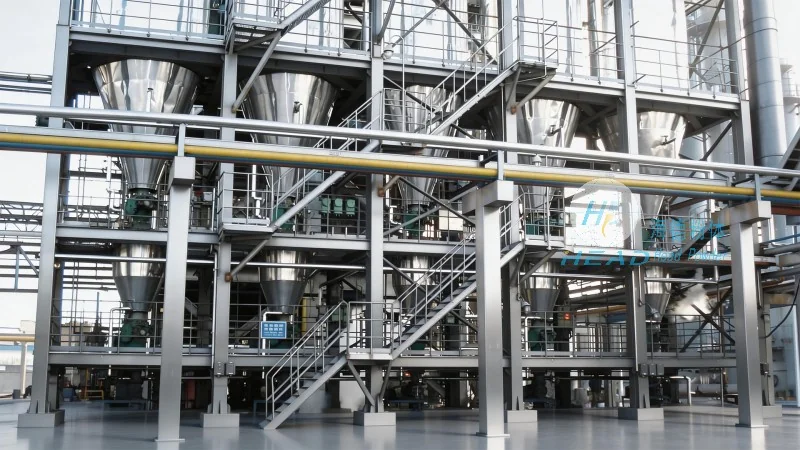
Bag breakage pneumatic conveying systems are widely used in various industrial sectors, including chemical, food processing, pharmaceutical, and mining industries. In the chemical industry, these systems are used to transfer raw materials and finished products, such as powders and granules, from storage to processing equipment. In the food industry, they are employed to handle ingredients like flour, sugar, and spices, ensuring a clean and efficient transfer process. The pharmaceutical industry utilizes these systems for handling active pharmaceutical ingredients (APIs) and other sensitive materials, maintaining strict hygiene and contamination control. In the mining industry, bag breakage systems are used to transfer bulk materials like ores and minerals from bags to processing plants, improving efficiency and reducing handling time.
Maintenance and Operational Considerations
Proper maintenance is essential to ensure the efficient and reliable operation of a bag breakage pneumatic conveying system. Regular inspection of the bag opening device, feeder, and conveying pipeline is necessary to identify and address any issues before they cause system downtime. The air filtration system should be checked and cleaned regularly to prevent clogging and maintain air quality. The blower or vacuum pump should be maintained to ensure optimal performance and energy efficiency. Additionally, the system should be operated within the recommended parameters, such as air pressure and material flow rate, to avoid overloading or damage to components. Proper training of operators is also crucial to ensure safe and effective operation of the system.