

Operation Process and Working Principle of Fully Automatic Bulk Material Pneumatic Conveying System
For industrial applications requiring efficient and reliable material handling, fully automatic bulk material pneumatic conveying systems offer a sophisticated solution. These systems are engineered to handle the transportation of various dry bulk materials with precision and minimal human intervention. The following content provides an in-depth look at the operation process and working principles of such systems, highlighting their key components and functional mechanisms.
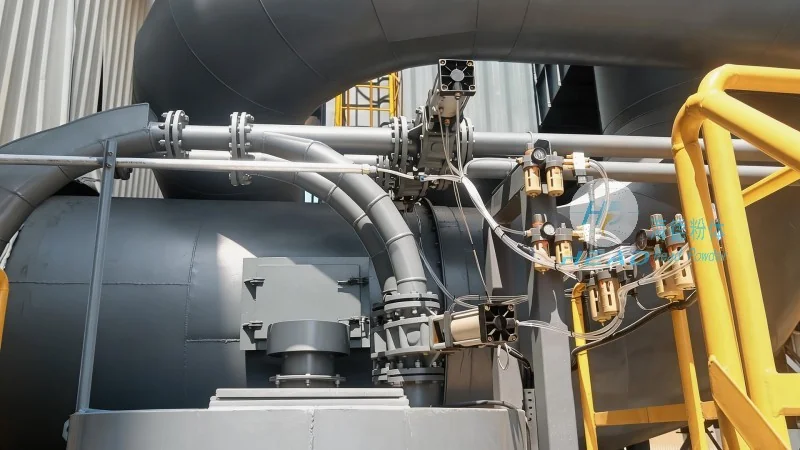
Overview of Fully Automatic Pneumatic Conveying Systems
At the core of a fully automatic bulk material pneumatic conveying system is a network of components designed to facilitate the seamless movement of dry powders or granules from a source to a destination. The system typically includes a hopper for material storage, a conveying line, a control unit, and various auxiliary equipment such as filters and cyclones. The entire operation is managed by an automated control system that ensures consistent performance and optimal material flow. This integration of technology enables the system to operate continuously, reducing downtime and enhancing overall productivity.
Key Components and Their Functions
The effectiveness of a fully automatic pneumatic conveying system relies on the proper functioning of several critical components. The hopper serves as the primary storage vessel, holding the bulk material ready for transport. It is equipped with a feeder, which can be a rotary valve or a screw feeder, responsible for regulating the material flow into the conveying line. The conveying line itself is a flexible or rigid pipe system that transports the material using air pressure. The control unit, often a programmable logic controller (PLC), monitors and adjusts the system parameters to maintain stable operation. Additionally, auxiliary components like filters and cyclones are essential for maintaining air quality and separating material from the air stream, ensuring the system operates within environmental and safety standards.
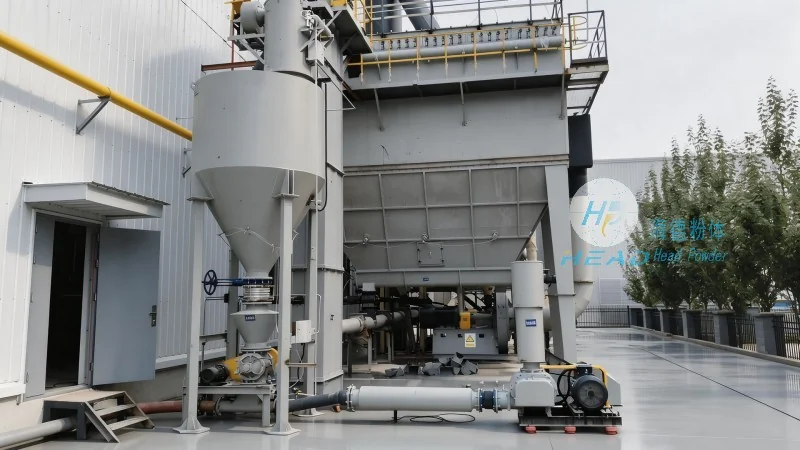
The Operation Process: Step-by-Step Explanation
The operation of a fully automatic bulk material pneumatic conveying system follows a systematic sequence of steps. Initially, the bulk material is loaded into the hopper. The feeder then begins to discharge the material at a controlled rate, which is determined by the system's control settings. Simultaneously, the air compressor generates the necessary air pressure, which is introduced into the conveying line. As the material is introduced into the line, it is carried by the high-velocity air stream, moving through the pipeline to the destination point. At the receiving end, a separator or cyclone separates the material from the air, allowing the material to be discharged into a storage bin or processing equipment. The control unit continuously monitors the pressure, flow rate, and material level, adjusting the feeder speed or air pressure as needed to maintain optimal performance. This automated process ensures that the material is transported efficiently and consistently, with minimal manual intervention.
Working Principle: How the System Transfers Material
The working principle of a fully automatic pneumatic conveying system is based on the principles of fluid dynamics and air movement. The system operates by creating a pressure differential between the hopper and the receiving end. The air compressor generates a high-pressure air stream, which is introduced into the conveying line. As the material is fed into the line, it is entrained by the air and carried along the pipeline. The velocity of the air is critical; it must be sufficient to lift and transport the material without causing excessive wear or degradation. The system uses positive pressure or negative pressure (or a combination of both) depending on the application and material characteristics. The control unit manages the air pressure and flow rate to ensure that the material is transported at the desired speed and without clogging. The separation process at the receiving end uses centrifugal force to separate the material from the air, ensuring that the material is collected efficiently and the air is filtered before being released back into the environment.
Advantages of Fully Automatic Pneumatic Conveying Systems
Implementing a fully automatic bulk material pneumatic conveying system offers numerous advantages for industrial operations. These systems provide high efficiency in material handling, reducing the time and labor required for manual transport. The automated control system ensures consistent material flow, minimizing variations in product quality and process performance. Additionally, the system is designed for low maintenance, with components that are durable and resistant to wear from the bulk material. The integration of safety features, such as pressure relief valves and air filters, enhances operational safety and compliance with environmental regulations. The ability to handle a wide range of materials, from fine powders to coarse granules, makes these systems versatile and suitable for various industries, including food processing, pharmaceuticals, and chemical manufacturing.
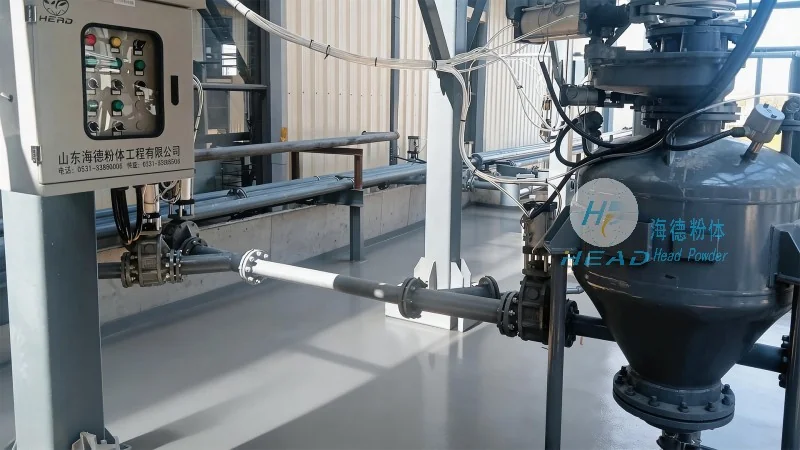
Application Examples and Industry Use Cases
Fully automatic bulk material pneumatic conveying systems are widely used across various industries due to their adaptability and efficiency. In the food industry, these systems are employed to transport ingredients like flour, sugar, and spices from storage to processing lines, ensuring hygiene and consistent quality. In the pharmaceutical sector, the systems handle sensitive materials such as powders and granules, maintaining strict contamination control and meeting regulatory standards. The chemical industry utilizes these systems for transporting raw materials and finished products, reducing the risk of material degradation and ensuring safe handling of hazardous substances. Additionally, in the agricultural sector, pneumatic conveying systems are used to transport grains and other bulk agricultural products, improving storage and processing efficiency. The versatility of these systems makes them a preferred choice for industries that require reliable and automated material handling solutions.
Conclusion: The Role of Fully Automatic Pneumatic Conveying Systems in Modern Manufacturing
As industrial processes continue to evolve, the demand for efficient and automated material handling solutions remains high. Fully automatic bulk material pneumatic conveying systems from Shandong HeadPowder Engineering Co., Ltd. represent a cutting-edge solution that addresses the challenges of modern manufacturing. By integrating advanced control systems and robust components, these systems ensure reliable performance, minimal downtime, and optimal material transport. The operation process and working principles outlined above demonstrate the sophistication and effectiveness of these systems, making them an essential component in industries where precision and efficiency are paramount. With a focus on quality and innovation, Shandong HeadPowder Engineering Co., Ltd. provides comprehensive solutions tailored to the specific needs of each client, ensuring that their bulk material handling requirements are met with excellence.