

Principle and Working Scene Characteristics of Sodium Hydroxide Material Pneumatic Conveying Equipme
Sodium hydroxide, commonly known as caustic soda, is a widely used chemical in various industrial processes. The efficient and safe handling of this material is crucial for maintaining operational efficiency and ensuring workplace safety. Pneumatic conveying systems have emerged as a reliable solution for transporting sodium hydroxide, offering advantages such as reduced dust exposure, minimized material degradation, and enhanced process control. This article explores the fundamental principles behind sodium hydroxide pneumatic conveying equipment, along with the key working scene characteristics that make it an ideal choice for industrial applications.
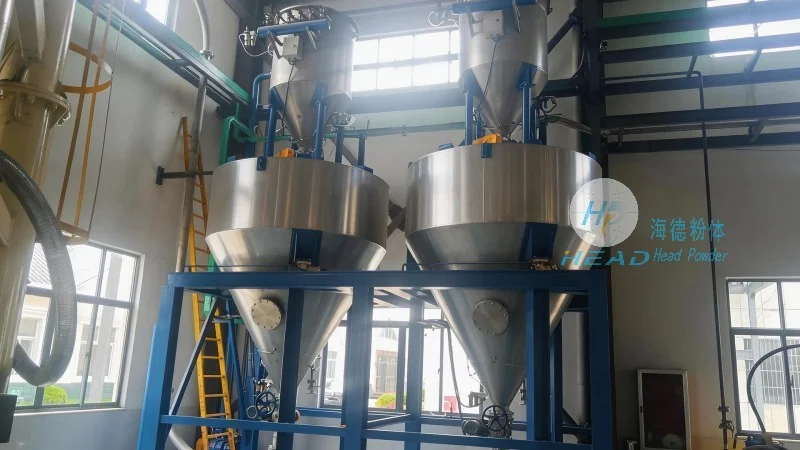
Principle of Pneumatic Conveying for Sodium Hydroxide
The core principle of pneumatic conveying involves the use of air or gas to transport bulk materials through a pipeline system. In the case of sodium hydroxide, the system typically operates under pressure, where compressed air is introduced to move the material from a source to a destination. The process can be categorized into two main types: dilute phase and dense phase conveying. Dilute phase systems rely on high-velocity air to suspend the material particles, while dense phase systems use lower velocities and higher air pressure to push the material in a more controlled manner. For sodium hydroxide, which is often in a powder or granular form, a dilute phase system is commonly employed due to its ability to handle fine particles effectively. The equipment includes a hopper, a rotary airlock valve, a conveying line, and a receiver, all working in tandem to ensure smooth material transfer. The air flow rate and pressure are carefully controlled to maintain optimal conveying efficiency and prevent material blockages or degradation.
Working Scene Characteristics of Sodium Hydroxide Pneumatic Conveying
The working scene characteristics of sodium hydroxide pneumatic conveying systems are tailored to meet the specific demands of industrial environments. One of the primary characteristics is the ability to handle hazardous materials safely. Sodium hydroxide is a caustic substance that can cause severe burns and eye damage if not handled properly. Pneumatic conveying systems minimize direct human contact with the material, reducing the risk of accidents. Additionally, these systems are designed to prevent dust accumulation, which is a significant fire hazard in environments where sodium hydroxide is processed. The enclosed pipeline design and proper ventilation help maintain a safe working environment.
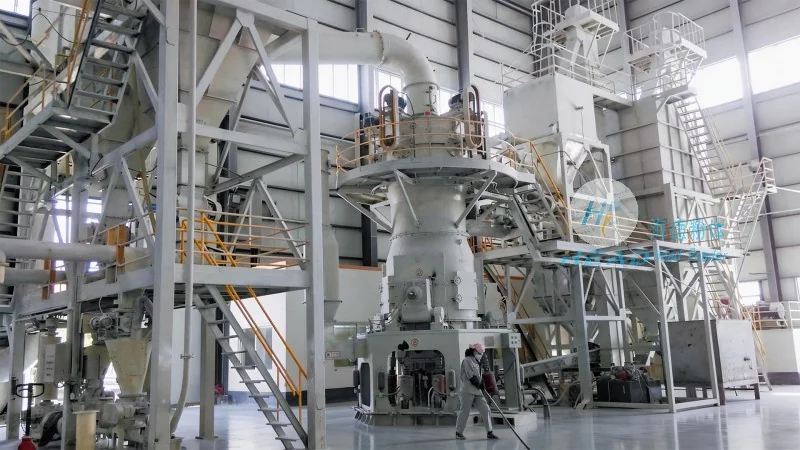
Another key characteristic is the system's adaptability to different operational conditions. Industrial facilities often require flexible conveying solutions that can handle varying material flow rates and distances. Pneumatic conveying systems can be scaled to accommodate different production capacities, from small-scale laboratory applications to large-scale industrial operations. The modular design allows for easy integration with existing infrastructure, reducing installation time and costs. Furthermore, the system's ability to transport sodium hydroxide over long distances without the need for intermediate storage or handling points enhances overall operational efficiency. This is particularly beneficial in facilities where the material needs to be moved from a storage area to a processing unit or from one production line to another.
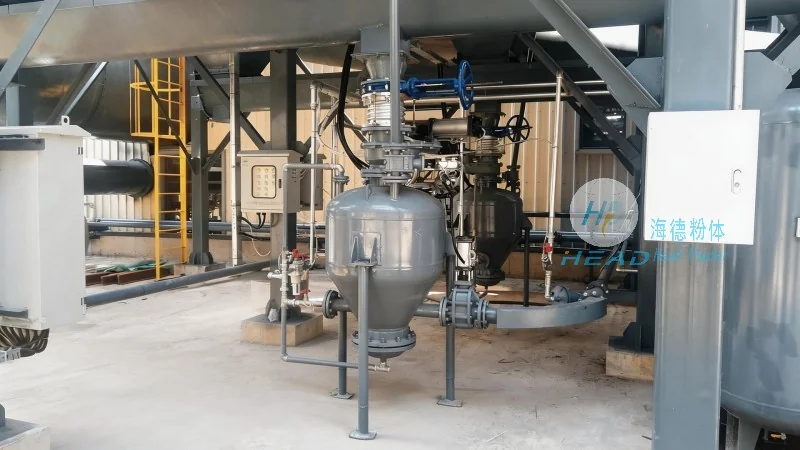
Applications and Industry Integration
Sodium hydroxide pneumatic conveying systems find extensive applications across various industries. In the chemical industry, these systems are used for transporting caustic soda between reactors, storage tanks, and packaging lines. The food and beverage industry also benefits from such systems, as they help maintain the purity and quality of the material during transport. Additionally, in the pulp and paper industry, sodium hydroxide is used for bleaching processes, and pneumatic conveying ensures that the material is delivered to the bleaching units without contamination. The versatility of the system makes it suitable for a wide range of industrial settings, where efficient material handling is critical to operational success.
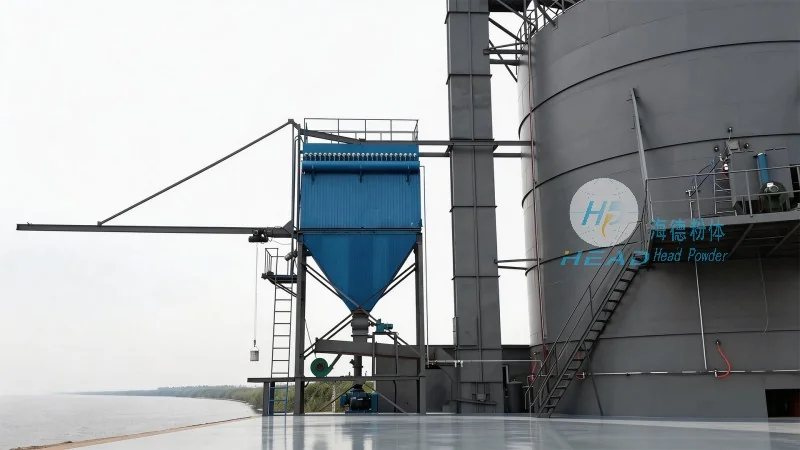
Company Overview: Shandong HeadPowder Engineering Co., Ltd.
Shandong HeadPowder Engineering Co., Ltd., commonly referred to as HeadPowder, is a leading manufacturer of pneumatic conveying equipment in China. With a strong focus on innovation and quality, the company has established itself as a trusted partner for industrial material handling solutions. HeadPowder specializes in designing and manufacturing customized pneumatic conveying systems tailored to the specific needs of clients, including those handling sodium hydroxide and other hazardous materials. The company's facilities are located in Shandong, China, where it leverages advanced manufacturing technologies and a skilled workforce to produce high-performance equipment. HeadPowder's commitment to safety and efficiency is reflected in its product design, which incorporates features such as dust suppression, pressure control, and material flow monitoring. By partnering with HeadPowder, industrial facilities can enhance their operational capabilities while ensuring compliance with safety regulations.
Conclusion
In conclusion, sodium hydroxide pneumatic conveying systems represent a sophisticated and effective solution for handling this critical chemical. The principles of pneumatic conveying, combined with the working scene characteristics that prioritize safety and efficiency, make these systems indispensable in modern industrial operations. As industries continue to seek reliable and safe material handling solutions, the demand for advanced pneumatic conveying equipment is expected to grow. Companies like Shandong HeadPowder Engineering Co., Ltd. play a vital role in meeting this demand by providing high-quality, customized solutions that enhance operational performance and ensure workplace safety.