

Principles and Working Scene Characteristics of Dust-Free Material Pneumatic Conveying Lines
HeadPowder, a leading provider in the field of material handling solutions, specializes in the design, manufacturing, and installation of advanced dust-free pneumatic conveying systems. With a strong presence in Shandong, China, the company has established itself as a trusted partner for industries requiring efficient and clean material transport. This article delves into the core principles of dust-free material pneumatic conveying lines and highlights the key working scene characteristics that make these systems indispensable in modern industrial applications.
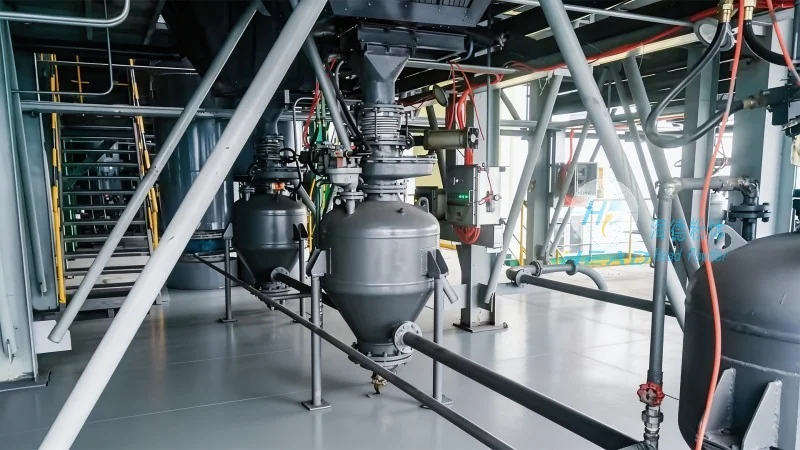
Understanding the Core Principles of Dust-Free Pneumatic Conveying
Dust-free material pneumatic conveying lines operate on the fundamental principle of transporting bulk materials through a closed system using compressed air or other gases. Unlike traditional methods that may expose materials to the environment, these systems are engineered to maintain a controlled, dust-free environment, ensuring minimal contamination and adherence to stringent hygiene standards. The process typically involves a series of components, including a material feed hopper, a conveying pipeline, a dust collector, and a discharge unit. Compressed air is introduced into the system, creating a flow that propels the material particles through the pipeline. The design of the system, including the choice of air velocity, pipeline diameter, and material characteristics, is critical to achieving efficient and reliable transport. HeadPowder's expertise lies in optimizing these parameters to ensure optimal performance for a wide range of materials, from fine powders to granules.
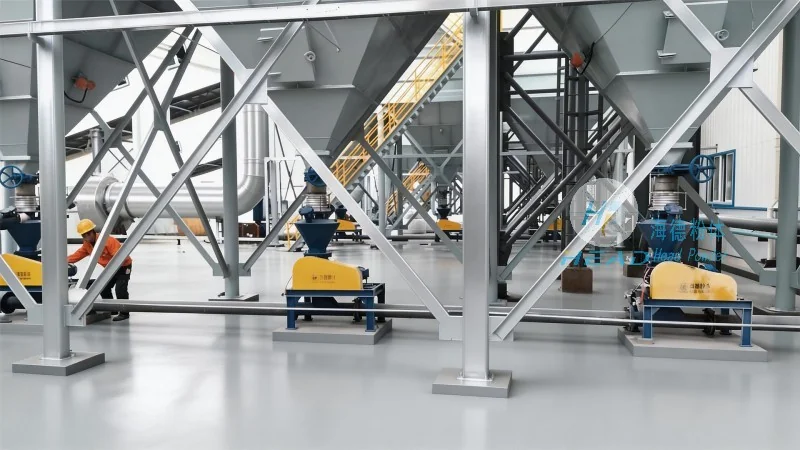
Key Working Scene Characteristics of Dust-Free Pneumatic Conveying Systems
The working scene characteristics of dust-free material pneumatic conveying lines are tailored to meet the specific demands of various industrial environments. These systems are particularly suited for applications where material purity, safety, and operational efficiency are paramount. For instance, in pharmaceutical and food processing industries, where contamination control is non-negotiable, these systems provide a hygienic solution for transporting raw materials and finished products. In the chemical industry, they are used to handle hazardous or sensitive materials while minimizing the risk of exposure to personnel. The versatility of these systems also makes them ideal for manufacturing facilities that require seamless integration with existing production lines. HeadPowder's solutions are designed to adapt to diverse working conditions, ensuring consistent performance and reliability in high-stakes environments.
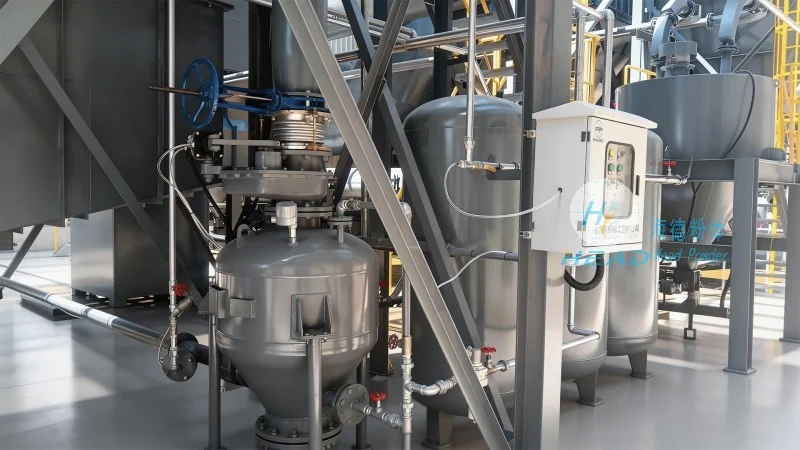
Benefits and Advantages in Practical Applications
Implementing dust-free material pneumatic conveying lines offers numerous benefits that enhance operational efficiency and product quality. One of the primary advantages is the elimination of dust and contamination, which not only improves workplace safety but also maintains the integrity of the transported materials. The closed system design reduces the risk of material loss and environmental impact, aligning with sustainability goals. Additionally, these systems offer high throughput and flexibility, allowing for the transport of materials over long distances with minimal downtime. HeadPowder's commitment to innovation ensures that their systems are equipped with advanced features such as automatic control, real-time monitoring, and energy-efficient designs, further enhancing their practical value in real-world applications.

Conclusion and Company Overview
As a prominent player in the industry, Shandong HeadPowder Engineering Co., Ltd. continues to lead the way in developing cutting-edge dust-free material pneumatic conveying solutions. By focusing on the core principles of efficient, clean, and reliable material transport, the company caters to the evolving needs of modern industries. With a strong foundation in Shandong, China, HeadPowder remains dedicated to providing tailored solutions that meet the unique requirements of each client, ensuring long-term success and operational excellence in material handling. The principles and working scene characteristics discussed here underscore the importance of investing in advanced pneumatic conveying systems for industries seeking to optimize their processes and maintain high standards of quality and safety.