

Principle and Working Scene Characteristics of Melamine Powder Material Pneumatic Conveying Equipmen
Shandong HeadPowder Engineering Co., Ltd., located in Shandong, China, specializes in the design and manufacturing of advanced pneumatic conveying systems tailored for various industrial applications. The company's expertise lies in providing efficient and reliable solutions for transporting melamine powder, a critical raw material in multiple sectors such as chemical manufacturing, pharmaceuticals, and food processing. This article delves into the fundamental principles of melamine powder pneumatic conveying equipment and highlights the key characteristics of its operational scenarios.
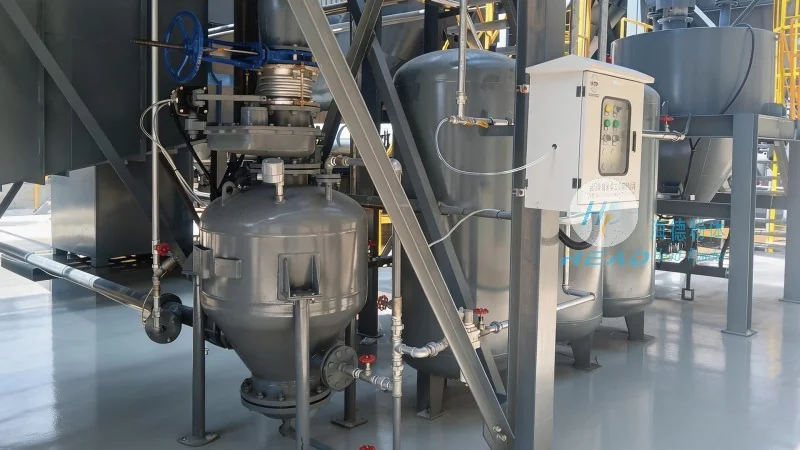
Overview of Pneumatic Conveying Systems for Melamine Powder
Pneumatic conveying equipment operates by utilizing compressed air or other gases to transport bulk powder materials through a network of pipes. This method offers a non-contact, dust-free, and hygienic approach to material handling, which is particularly advantageous for sensitive products like melamine powder. The system typically comprises several key components: a feeding device to introduce the powder into the pipeline, a conveying section where the material is propelled by the gas flow, a separation unit to collect the powder from the air stream, and a receiving hopper to store the delivered material. The choice between different conveying modes—such as suction (or vacuum) and pressure (or positive) systems—depends on factors like the distance of transport, the volume of material, and the specific characteristics of the powder.
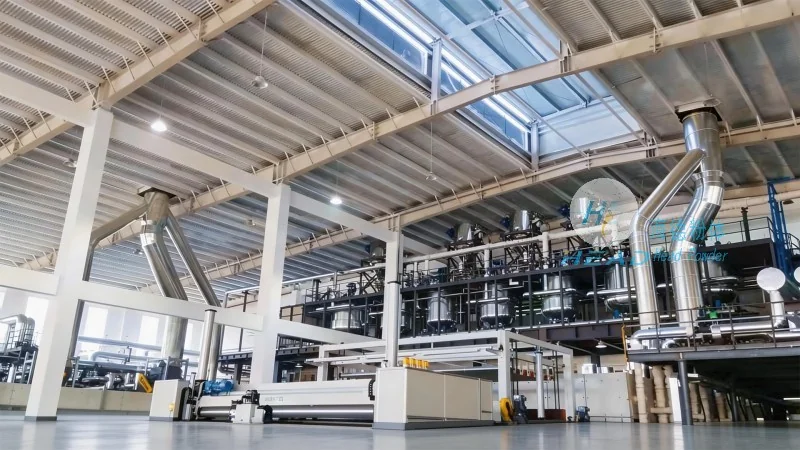
The Working Principle of Melamine Powder Pneumatic Conveying
The core principle of melamine powder pneumatic conveying is the creation of a gas-particle flow within the pipeline. In a suction system, a vacuum pump draws air and the powder mixture from the material source, while in a pressure system, a blower supplies compressed air to push the mixture forward. For melamine powder, which is fine and prone to agglomeration, the system must be designed to maintain a stable flow and prevent blockages. This often involves the use of specialized feeding mechanisms, such as rotary valves or star feeders, to ensure a consistent feed rate and avoid uneven particle distribution. The velocity of the gas in the pipeline is a critical parameter; it must be sufficient to keep the powder suspended but not so high as to cause excessive wear on the equipment or degrade the powder quality. The separation process, typically achieved through cyclone separators or bag filters, removes the powder from the air stream, allowing the clean air to be recirculated or vented safely.
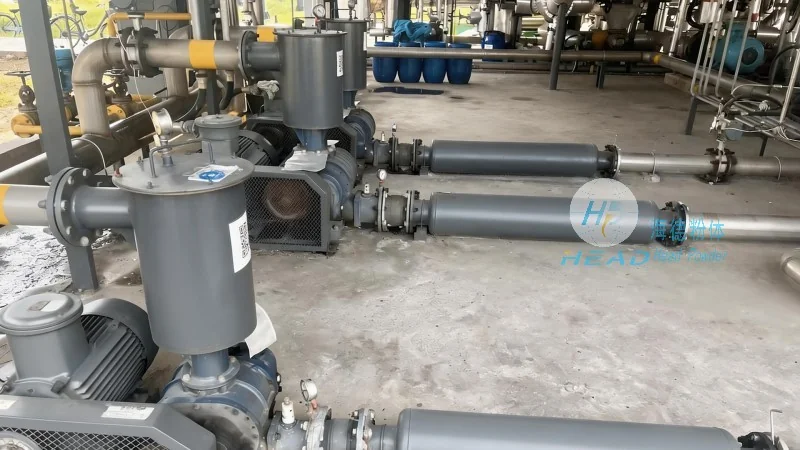
Key Working Scene Characteristics of Melamine Powder Pneumatic Conveying Equipment
The operational characteristics of melamine powder pneumatic conveying equipment vary significantly based on the specific industrial environment and the requirements of the process. In chemical manufacturing plants, for instance, the equipment may be integrated into a larger production line, where it handles melamine powder from storage silos to reactors or packaging units. The system must be capable of handling high volumes and maintaining precise control over the flow rate to ensure consistent product quality. In pharmaceutical applications, the equipment operates under stringent hygiene and safety standards, requiring stainless steel construction and closed-loop systems to prevent contamination and cross-contamination. The food processing industry, when using melamine as a food additive, demands equipment that meets food-grade certifications, with features like easy cleaning and minimal particle loss. Additionally, in scenarios involving long-distance transport, such as from a raw material warehouse to a processing facility across a factory floor, the equipment may incorporate intermediate separation or buffering units to maintain system efficiency and prevent pressure drops.
Advantages and Practical Applications in Industrial Settings
The adoption of melamine powder pneumatic conveying equipment in industrial settings is driven by several key advantages. Firstly, it eliminates the need for mechanical components like conveyor belts or buckets, reducing maintenance costs and minimizing the risk of material contamination. Secondly, the system is highly flexible, allowing for changes in the layout or direction of material flow without major modifications. Thirdly, it provides a dust-free environment, which is crucial for maintaining product purity and ensuring worker safety in environments where melamine powder is handled. Practical applications include the continuous transfer of melamine powder from bulk storage to mixing tanks in chemical plants, the automated feeding of melamine into extrusion or molding machines in manufacturing, and the efficient delivery of melamine to packaging lines in food processing facilities. The equipment's ability to handle fine powders with low moisture content, as is typical for melamine, further enhances its suitability for these applications.
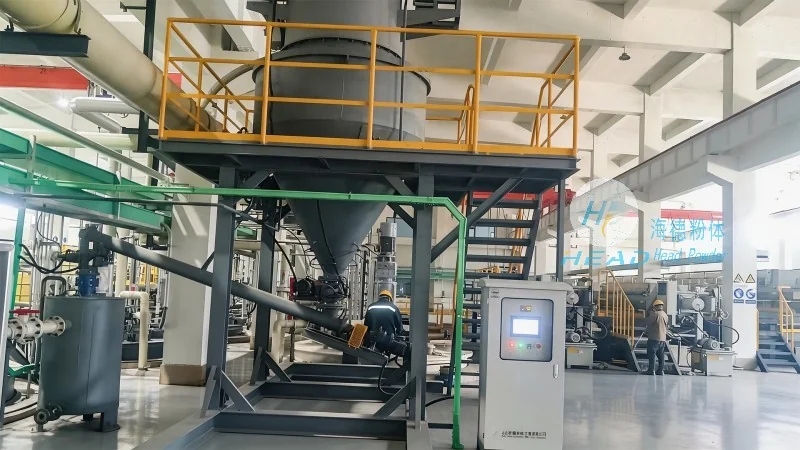
Conclusion and Future Considerations
Shandong HeadPowder Engineering Co., Ltd. continues to innovate in the field of melamine powder pneumatic conveying, focusing on enhancing system efficiency, reducing energy consumption, and improving overall reliability. As industrial demands evolve, the company is exploring advanced technologies such as intelligent control systems and real-time monitoring to optimize the performance of pneumatic conveying equipment. The principles and characteristics discussed in this article underscore the importance of tailored solutions for each specific application, ensuring that the equipment not only meets operational requirements but also contributes to the overall productivity and safety of industrial processes. By understanding the fundamental mechanics and operational scenarios of melamine powder pneumatic conveying, industries can make informed decisions when selecting and implementing such systems, ultimately leading to more efficient and sustainable material handling practices.