

Principle and Working Scene Characteristics of Pneumatic Conveying Equipment for Activated Carbon Gr
HeadPowder, a leading provider of industrial material handling solutions, specializes in the design and manufacturing of pneumatic conveying equipment tailored for activated carbon granular materials. This article delves into the fundamental principles of such equipment and highlights the key characteristics of its operational scenarios, offering insights into how these systems enhance efficiency and reliability in various industrial applications.
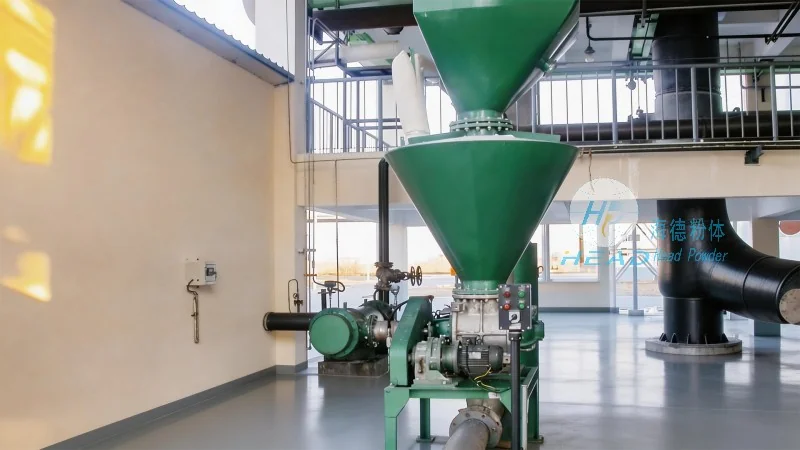
Understanding the Core Principle of Pneumatic Conveying Systems
Pneumatic conveying equipment operates on the principle of using air or other gases as the primary medium to transport bulk materials, such as activated carbon granules, from one location to another. The system typically consists of a hopper, a conveyor line, and a receiver, with the entire process driven by compressed air. As air is introduced into the system, it creates a pressure differential that propels the granular material through the pipeline. This method eliminates the need for mechanical components like belts or screws, reducing maintenance requirements and minimizing the risk of material contamination. The efficiency of the system depends on factors like air velocity, material properties, and pipeline design, all of which are optimized to ensure smooth and consistent transport of activated carbon granules.
Key Working Scene Characteristics of Pneumatic Conveying Equipment
The operational characteristics of pneumatic conveying systems for activated carbon granular materials vary significantly based on the specific industrial environment and application requirements. These characteristics are crucial for selecting the appropriate equipment and ensuring optimal performance in diverse settings.
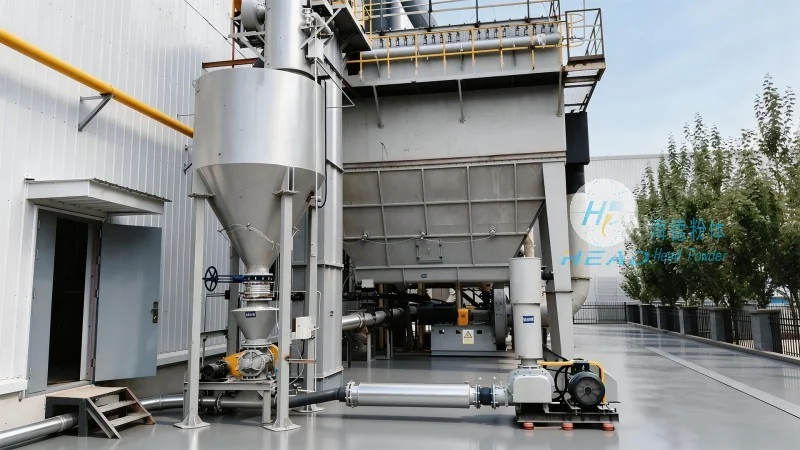
Industrial Applications and Operational Environments
Activated carbon granular materials are widely used in industries such as chemical processing, environmental remediation, and pharmaceutical manufacturing. The pneumatic conveying equipment designed for these applications must adapt to the unique demands of each sector. For instance, in chemical plants, the equipment may need to handle corrosive or abrasive materials, requiring robust construction materials like stainless steel or special coatings. In environmental treatment facilities, the system must ensure minimal dust emissions and compliance with environmental regulations, often incorporating dust collection and filtration systems. The working scene characteristics also include considerations of space constraints, as some industrial sites may have limited room for large equipment, necessitating compact or modular designs. Additionally, the system's ability to handle varying material flow rates and maintain consistent product quality is critical in continuous production lines.
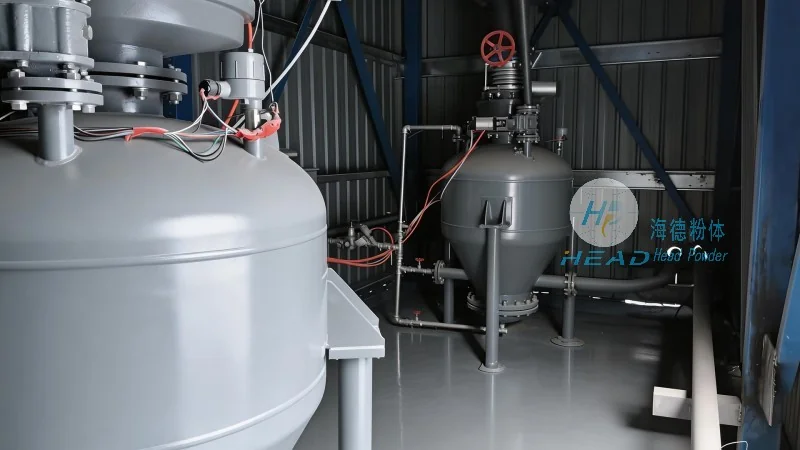
Advantages and Performance Metrics in Real-World Scenarios
When deployed in real-world operational scenarios, pneumatic conveying equipment for activated carbon granular materials demonstrates several advantages over traditional mechanical conveying methods. These include reduced labor costs due to automated operation, lower energy consumption compared to some bulk handling solutions, and enhanced product integrity by minimizing exposure to external contaminants. Performance metrics such as conveying capacity, pressure drop, and material handling efficiency are carefully monitored and optimized to meet the specific needs of each application. The equipment's reliability in continuous operation, with minimal downtime for maintenance, further underscores its suitability for demanding industrial environments.
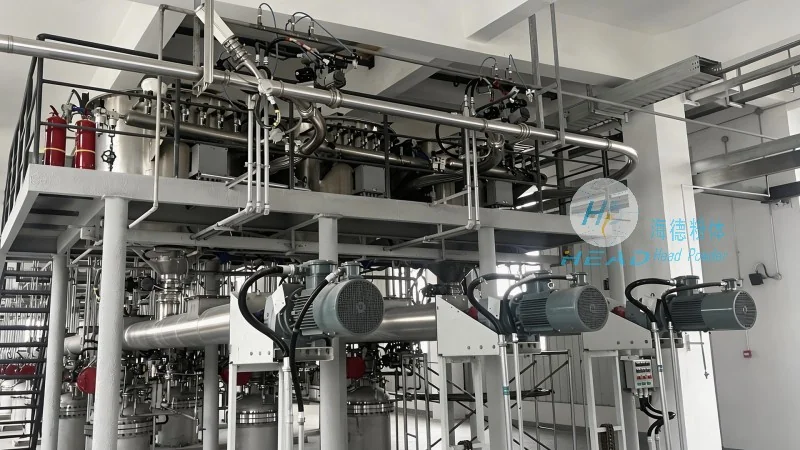
Customization and Integration Capabilities
Shandong HeadPowder Engineering Co., Ltd., based in China, offers customized pneumatic conveying solutions that integrate seamlessly with existing industrial infrastructure. The company's expertise lies in tailoring equipment to meet the unique requirements of clients, ensuring that the system aligns with their production processes and operational goals. Customization options may include adjustable air pressure settings, variable speed controls, and integration with automation systems to enhance overall workflow efficiency. The company's commitment to quality and innovation ensures that the equipment not only meets but exceeds industry standards, providing long-term value to its clients.
Conclusion and Practical Implications
In conclusion, pneumatic conveying equipment for activated carbon granular materials is a highly effective solution for efficient material handling in various industrial settings. By understanding the core principles and operational characteristics of these systems, industries can make informed decisions about implementing or upgrading their material transport infrastructure. The advantages in terms of efficiency, reliability, and adaptability make this technology a preferred choice for many applications, and with companies like Shandong HeadPowder Engineering Co., Ltd. providing specialized solutions, the implementation of such systems becomes more accessible and effective.