

Principle and Working Scene Characteristics of Pneumatic Conveying for Ash Storage Materials
Understanding the principles and operational characteristics of pneumatic conveying systems for ash storage materials is crucial for optimizing material handling efficiency in industrial settings. This article explores the fundamental mechanisms behind pneumatic conveying technology and highlights key working scenarios where such systems are applied effectively.
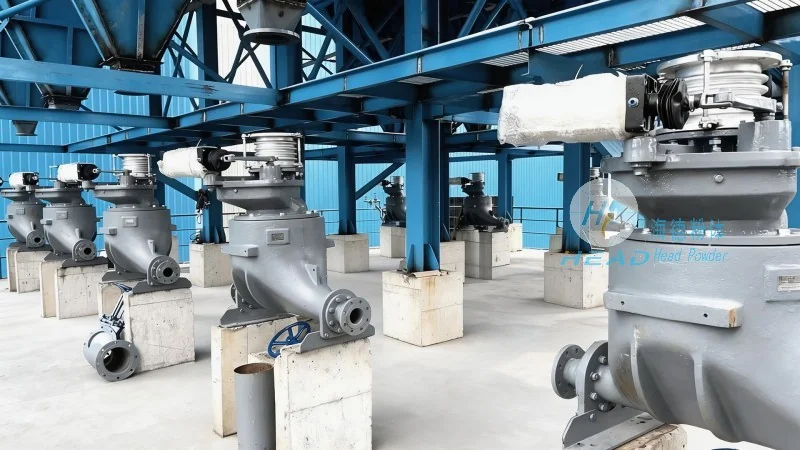
Pneumatic Conveying Principle: How It Works
Pneumatic conveying, also known as pneumatic transport, is a method of transporting bulk materials through a pipeline using air or gas as the conveying medium. In the context of ash storage materials, this technology is employed to move ash from storage silos or hoppers to processing units or disposal sites. The core principle involves creating a pressure differential within the pipeline, which generates a flow of air that carries the ash particles. There are two primary types of pneumatic conveying systems: pressure systems and vacuum systems. Pressure systems use compressed air to push the material through the pipeline, while vacuum systems use a vacuum to draw the material into the pipeline. The choice between these systems depends on factors such as the distance to be covered, the material's properties, and the required flow rate.
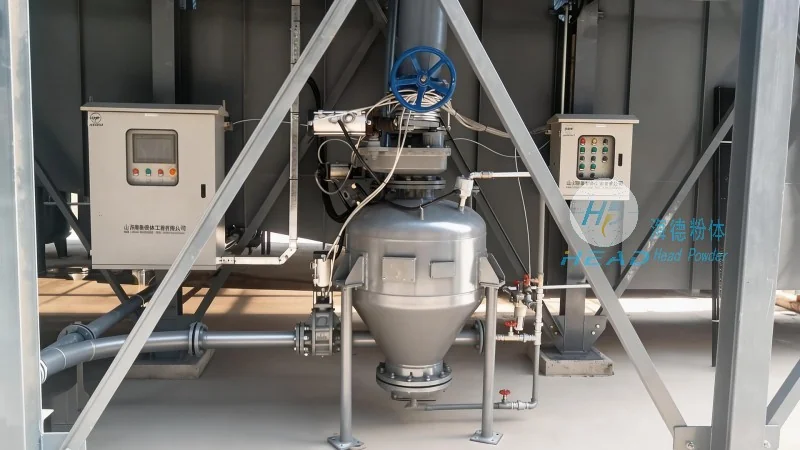
Key Working Scene Characteristics of Pneumatic Conveying for Ash Storage
When applied to ash storage materials, pneumatic conveying systems exhibit several distinct working scene characteristics that make them suitable for specific industrial applications. One of the primary characteristics is the ability to handle fine and abrasive materials, which are common in ash storage operations. The system's design, including the use of appropriate pipeline materials and flow control devices, ensures that the ash particles are conveyed without causing excessive wear or blockages. Another characteristic is the system's flexibility in terms of layout and integration with existing infrastructure. Pneumatic conveying systems can be installed in various configurations, such as vertical or horizontal pipelines, to accommodate different spatial constraints and operational requirements. This flexibility allows for seamless integration with other processing equipment, such as classifiers or filters, which are often used in ash handling processes.
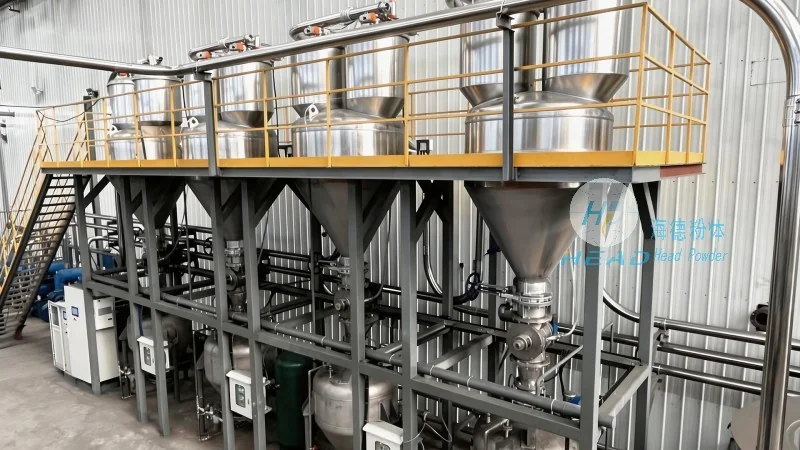
Operational Efficiency and Maintenance Considerations
The effectiveness of pneumatic conveying systems for ash storage materials is closely tied to operational efficiency and regular maintenance. Proper system design, including the selection of appropriate air velocities and pipeline diameters, ensures that the ash is conveyed at optimal flow rates with minimal energy consumption. Regular maintenance, such as cleaning of filters and checking for air leaks, is essential to prevent system downtime and maintain consistent performance. Additionally, the use of advanced control systems allows for real-time monitoring of the conveying process, enabling operators to adjust parameters as needed to optimize material flow and prevent blockages. These operational considerations are critical for maximizing the efficiency and reliability of pneumatic conveying systems in ash storage applications.
Application Examples and Industry Standards
Pneumatic conveying systems for ash storage materials are widely used in various industrial sectors, including power generation, waste management, and cement production. In power plants, for example, these systems are used to transport fly ash from storage silos to the boiler or to disposal sites. The systems are designed to handle the high volume and fine particle size of fly ash, ensuring efficient and safe material transport. In waste management facilities, pneumatic conveying is used to move ash from incineration processes to landfills or recycling facilities. The systems are typically equipped with dust collection and filtration systems to minimize environmental impact and comply with regulatory standards. Industry standards, such as those set by the American Society of Mechanical Engineers (ASME) and the European Committee for Standardization (CEN), provide guidelines for the design, installation, and operation of pneumatic conveying systems. These standards help ensure that systems are safe, reliable, and efficient, meeting the requirements of various industrial applications.
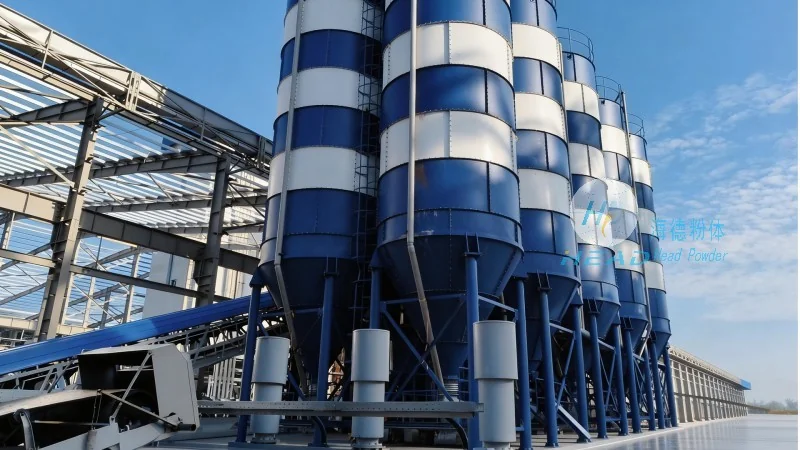
Conclusion: Advantages and Future Developments
In conclusion, pneumatic conveying systems for ash storage materials offer significant advantages in terms of efficiency, flexibility, and reliability. The technology's ability to handle fine and abrasive materials, along with its adaptability to different operational scenarios, makes it a preferred choice for many industrial applications. As technology advances, future developments in pneumatic conveying systems may include the integration of smart sensors and automation technologies to further enhance operational efficiency and reduce maintenance requirements. However, the fundamental principles of pneumatic conveying will remain unchanged, as they provide a robust and effective solution for ash storage material handling. The continued use and development of these systems will play a vital role in optimizing material flow and improving overall operational performance in industrial settings.