

Principle and Working Scene Characteristics of Peanut Powder Pneumatic Conveying Lines
HeadPowder, a leading engineering company based in Shandong, China, specializes in the design, manufacturing, and installation of advanced pneumatic conveying systems for various industrial applications. This article delves into the fundamental principles of peanut powder pneumatic conveying lines and highlights the key characteristics of their operational environments, providing a comprehensive overview for industry professionals and potential clients.
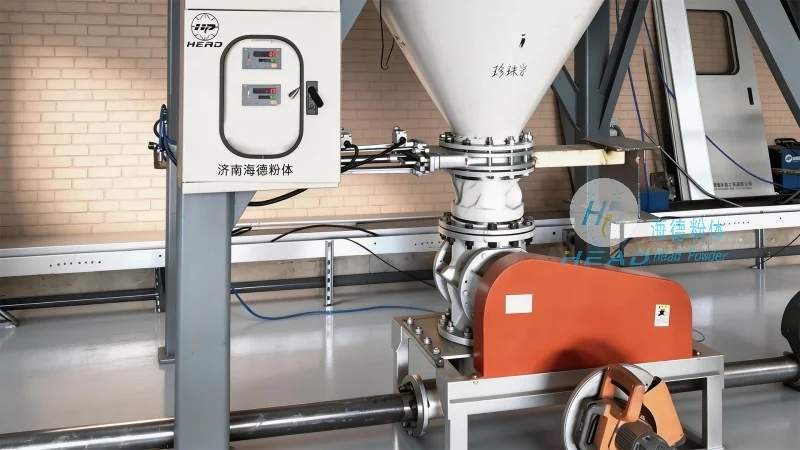
Overview of Peanut Powder Pneumatic Conveying Systems
Peanut powder pneumatic conveying lines are engineered to transport fine, dry powders like peanut flour or other similar particulate materials through a network of pipes using compressed air or other gas streams. The core principle involves creating a pressure differential within the system to move the material from a source to a destination. This method offers significant advantages over traditional mechanical conveying, such as reduced contamination risk, improved hygiene compliance, and enhanced operational flexibility.
The Fundamental Principle of Pneumatic Conveying
The operation of a peanut powder pneumatic conveying line is based on the fundamental physics of fluid dynamics. In a typical system, compressed air is introduced into a hopper or storage container, where it lifts and propels the peanut powder particles through the pipeline. The system can operate under either positive pressure (where air is forced into the system) or negative pressure (where air is drawn out, creating a vacuum). The choice of pressure type depends on factors like the distance to be covered, the material's properties, and the required flow rate. The design of the system, including the size of the air nozzles, the velocity of the air stream, and the angle of the pipes, is critical to ensure efficient and reliable material transport.
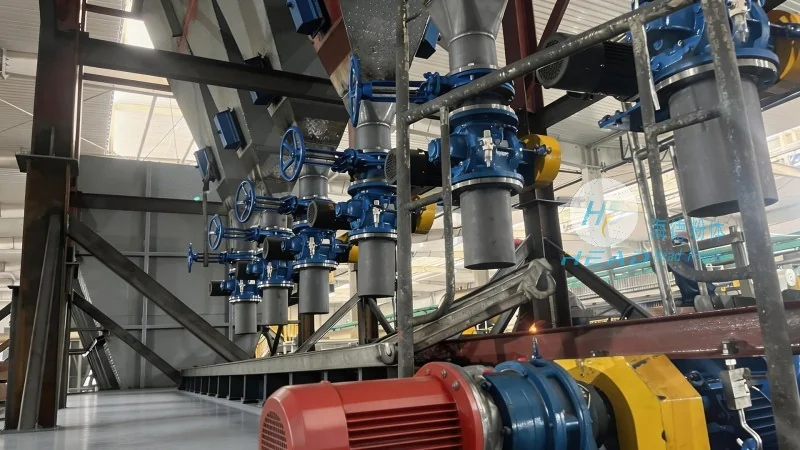
Key Working Scene Characteristics
The operational characteristics of peanut powder pneumatic conveying lines are tailored to meet the specific demands of different industrial settings. These characteristics include:
- Hygienic and Cleanroom Compliance: In food processing industries, especially for peanut products, maintaining a sterile environment is paramount. Pneumatic conveying systems are designed to minimize product contact with surfaces, reducing the risk of contamination and ensuring adherence to food safety regulations.
- Efficient Material Handling: These systems are capable of handling large volumes of peanut powder with high throughput rates, making them ideal for high-production environments. The ability to transport materials over long distances without the need for intermediate storage or manual handling enhances overall operational efficiency.
- Reduced Downtime and Maintenance: Modern pneumatic conveying lines are engineered for durability and low maintenance. The use of robust materials and advanced control systems minimizes the risk of system failures and reduces downtime, ensuring consistent production output.
- Flexibility in System Configuration: The modular design of these systems allows for easy integration with existing production lines or expansion as production needs grow. This flexibility enables companies to adapt their material handling processes to changing market demands or product lines.
Application Scenarios in the Food Industry
Peanut powder pneumatic conveying lines are widely used in the food processing sector, particularly in the production of peanut-based products such as peanut butter, snacks, and nutritional supplements. In these applications, the system is typically integrated into a larger production line, where it transports peanut powder from storage silos to processing equipment like mixers, extruders, or packaging machines. The hygienic design of the system ensures that the peanut powder remains free from contaminants throughout the process, maintaining product quality and safety standards.
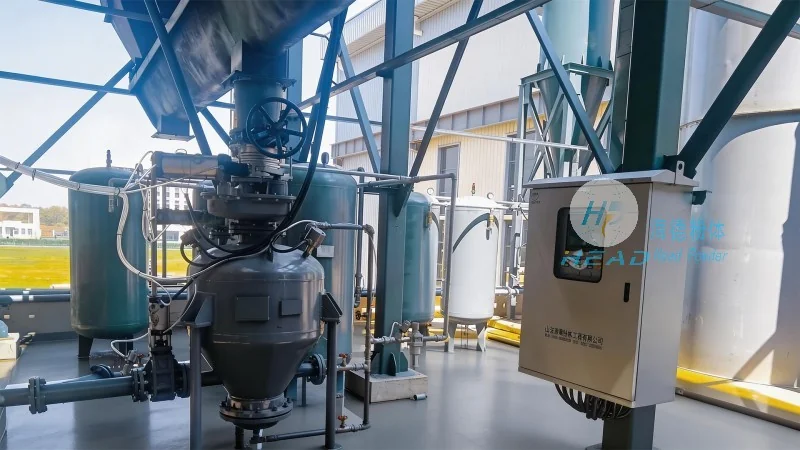
Industrial and Agricultural Applications
Beyond the food industry, peanut powder pneumatic conveying systems are also utilized in industrial and agricultural settings. For example, in agricultural processing facilities, these systems can transport peanut powder from processing plants to storage facilities or distribution centers. In industrial applications, they may be used to convey similar fine powders from one processing stage to another, such as in the production of animal feed or other agricultural products.
Conclusion
HeadPowder's expertise in designing and implementing peanut powder pneumatic conveying lines ensures that clients receive customized solutions tailored to their specific operational needs. By leveraging advanced engineering principles and adherence to industry standards, these systems provide efficient, hygienic, and reliable material handling solutions for a wide range of applications. Whether in food processing, industrial manufacturing, or agricultural operations, the principles and characteristics of these systems contribute to improved productivity and product quality.