

Principle and Working Scene Characteristics of Cement Raw Material Powder Pneumatic Conveying Equipm
Shandong HeadPowder Engineering Co., Ltd., a leading enterprise in the field of powder processing technology, specializes in the research, development, and manufacturing of advanced pneumatic conveying systems. The company, operating from its base in Shandong, China, has established itself as a key player in providing efficient and reliable solutions for the transportation of cement raw materials. This article delves into the fundamental principles and operational characteristics of cement raw material powder pneumatic conveying equipment, highlighting its importance in modern cement production processes.
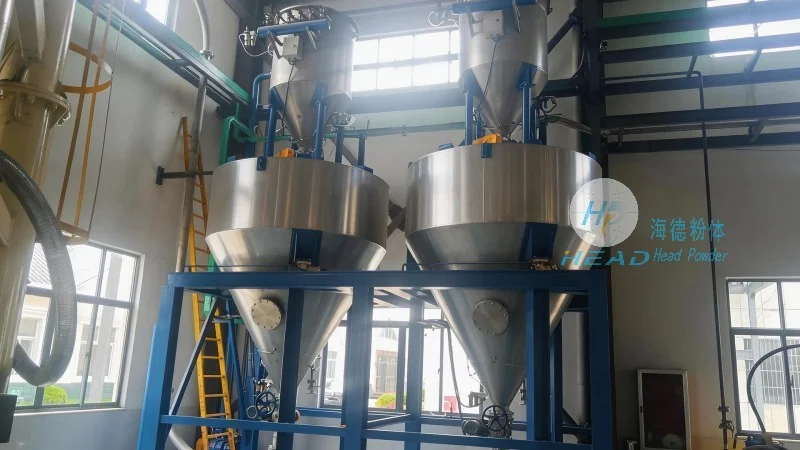
The Principle of Pneumatic Conveying for Cement Raw Materials
The core principle of pneumatic conveying for cement raw materials involves the use of air as a medium to transport dry powder materials. This method relies on the creation of a pressure differential or vacuum within a pipeline system, which propels the powder particles through the conduit. The process typically operates under either positive pressure (pressure conveying) or negative pressure (vacuum conveying), each with distinct advantages and applications. In pressure conveying, a positive pressure is generated at the material inlet, pushing the powder forward through the pipeline. This method is suitable for long-distance and high-capacity transport, as it can handle larger particle sizes and higher flow rates. Conversely, vacuum conveying uses a vacuum at the material outlet to draw the powder into the system, which is ideal for short-distance transport and handling of fine or delicate powders. The choice between these two modes depends on factors such as the distance between the source and destination, the particle size distribution of the raw material, and the required flow rate.
Key Components and Working Mechanism
The pneumatic conveying system for cement raw materials consists of several critical components that work in tandem to ensure efficient operation. These include the material feeder, which feeds the raw material into the conveying line; the air compressor or vacuum pump, which provides the necessary air pressure or vacuum; the conveying pipeline, which transports the material; and the receiver, where the material is deposited. The material feeder is designed to handle the specific characteristics of cement raw materials, such as their bulk density and flowability. It may include features like a hopper with a discharge valve to control the flow rate and prevent blockages. The air compressor or vacuum pump is responsible for generating the pressure or vacuum required to move the material. The conveying pipeline is typically made of materials like stainless steel or plastic, chosen for their resistance to corrosion and wear from the abrasive raw material particles. The receiver is a storage vessel where the conveyed material is collected, often equipped with a discharge valve to regulate the outflow.
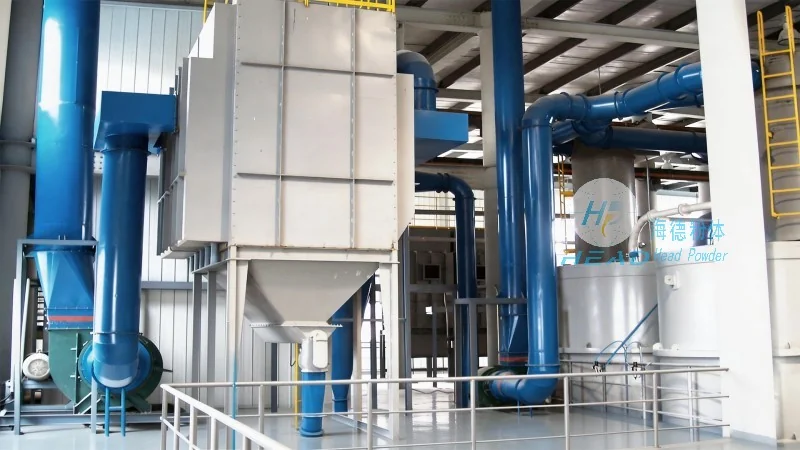
Working Scene Characteristics and Applications
The working scene characteristics of cement raw material powder pneumatic conveying equipment are tailored to the specific demands of cement production facilities. These systems are commonly used in scenarios where raw materials need to be transported from storage silos to the cement kiln or from one processing stage to another. The primary advantage of pneumatic conveying in such applications is its ability to transport materials in a closed system, minimizing dust emissions and environmental pollution. This is particularly important in modern cement plants, where environmental regulations are stringent and dust control is a critical concern. Additionally, pneumatic conveying systems offer high efficiency in terms of energy consumption and operational speed, as they can transport large volumes of material quickly and with minimal downtime. The working scene may also involve the integration of multiple conveying lines to handle different raw materials simultaneously, such as limestone, clay, and iron ore, each with varying particle sizes and properties. The system's flexibility allows for the adjustment of flow rates and pressure settings to accommodate these variations, ensuring consistent and reliable material transport.
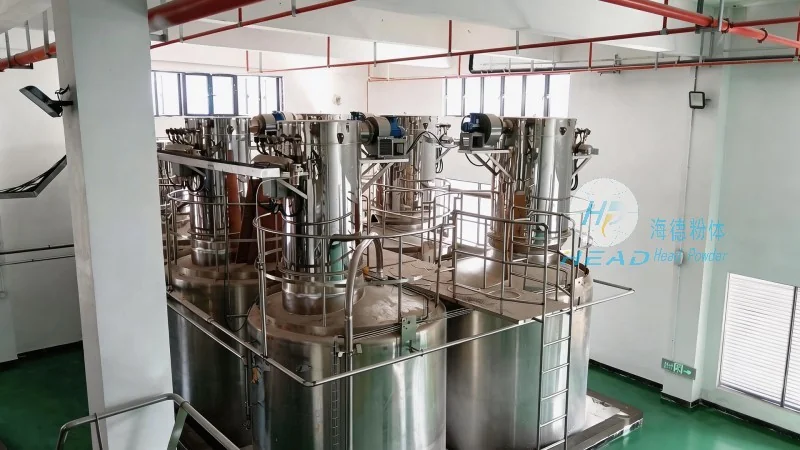
Advantages and Performance Metrics
Implementing cement raw material powder pneumatic conveying equipment offers several significant advantages over traditional methods like belt conveyors or bucket elevators. One of the most notable benefits is the reduction in dust generation, which improves workplace safety and compliance with environmental standards. The closed system design also prevents material contamination, which is crucial for maintaining the quality of cement raw materials. Furthermore, pneumatic conveying systems are more energy-efficient, as they require less power to transport materials over long distances compared to mechanical conveyors. The performance of these systems is typically measured by key metrics such as conveying capacity, which indicates the volume of material transported per unit time; pressure drop, which reflects the energy loss in the pipeline; and system efficiency, which combines the conveying capacity and pressure drop to assess overall performance. Shandong HeadPowder Engineering Co., Ltd. has optimized its designs to achieve high conveying capacities while maintaining low pressure drops, resulting in cost-effective and sustainable solutions for cement plants.
Conclusion and Future Prospects
In conclusion, cement raw material powder pneumatic conveying equipment, as developed by Shandong HeadPowder Engineering Co., Ltd., represents a sophisticated and efficient solution for the transportation of raw materials in cement production. By leveraging the principles of pneumatic conveying, these systems provide reliable, dust-free, and energy-efficient transport, addressing the key challenges faced by modern cement plants. The company's commitment to innovation and quality ensures that its products meet the evolving demands of the industry, making pneumatic conveying an indispensable technology in the cement manufacturing process. As the cement industry continues to prioritize sustainability and efficiency, the role of advanced pneumatic conveying systems will only grow, with Shandong HeadPowder Engineering Co., Ltd. poised to lead the way in providing cutting-edge solutions.