

Principles and Operational Scenarios of Soybean Meal Material Handling Systems
HeadPowder, a leading engineering company based in Shandong, China, specializes in the design and implementation of efficient material handling solutions for industries processing soybean meal. This article explores the fundamental principles behind these systems and highlights key operational scenarios where they are applied effectively.
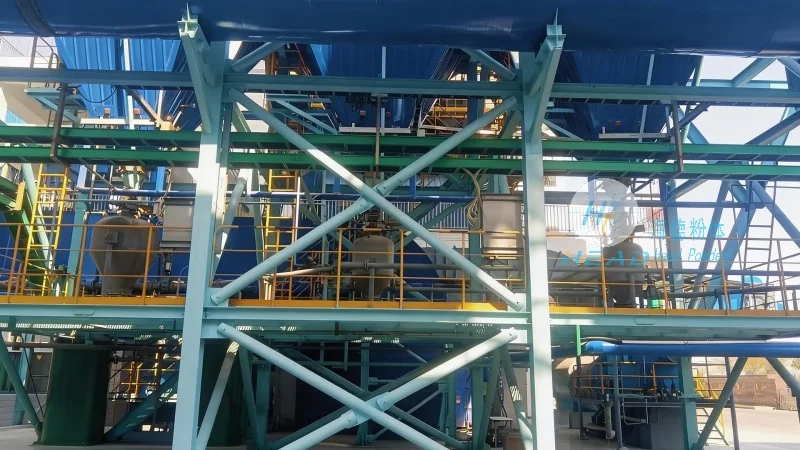
Principles of Soybean Meal Material Transport
The core principle of a soybean meal material handling system is to ensure the safe, efficient, and consistent transport of soybean meal from processing units to storage or packaging areas. These systems typically integrate various components such as conveyors, elevators, and storage silos, working in tandem to minimize material handling time and reduce operational costs. The design of such systems emphasizes durability, as soybean meal can be abrasive and prone to dust generation, requiring robust equipment capable of withstanding continuous operation.
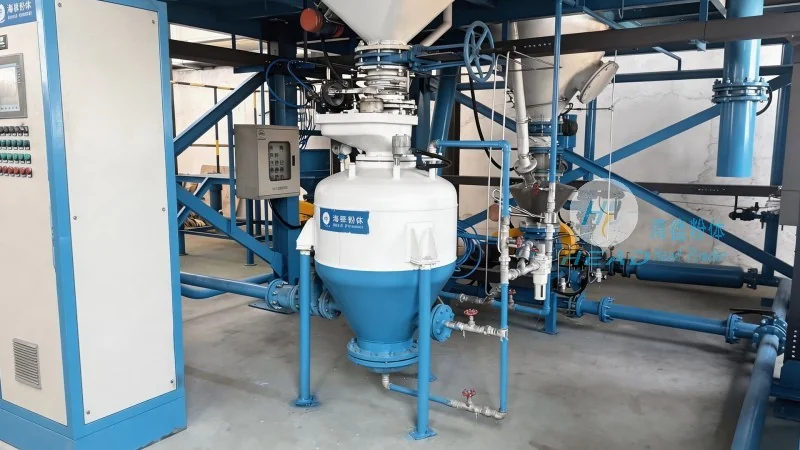
Key Components and Their Functions
Several critical components make up a typical soybean meal material handling system. Conveyors, often belt or screw type, are used for horizontal and vertical movement of the material. Elevators, including bucket elevators or chain conveyors, facilitate vertical transport, while storage silos provide bulk storage, allowing for controlled release of the material. The system also includes control panels and sensors to monitor flow rates, detect blockages, and ensure proper operation. Each component is engineered to handle the specific characteristics of soybean meal, such as its density and moisture content, to maintain system efficiency and prevent material degradation.
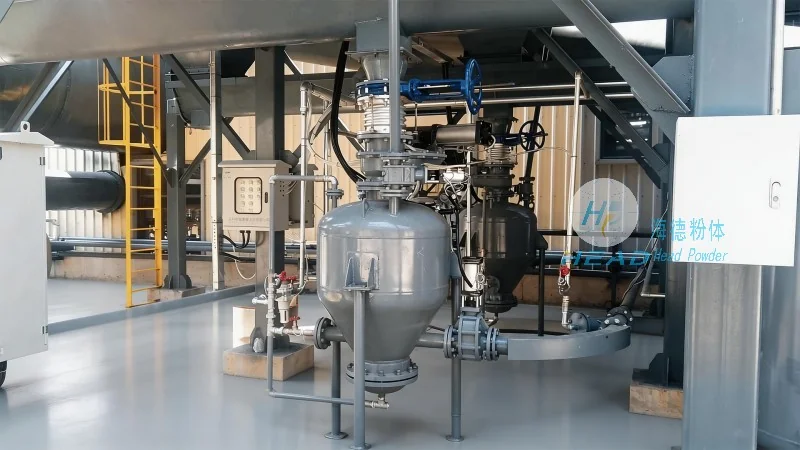
Operational Scenarios and Application Examples
Soybean meal material handling systems are widely used in various industrial settings, particularly in the food processing and animal feed sectors. One common scenario is in large-scale soybean processing plants, where the system efficiently moves freshly produced soybean meal from the extraction and drying stages to storage silos for later packaging or distribution. Another application is in animal feed mills, where the system integrates with other feed ingredients to create blended feed products, ensuring uniform mixing and consistent quality. Additionally, in smaller processing facilities, these systems may be used for local storage and distribution of soybean meal to local markets, supporting regional agricultural and food supply chains.
Advantages of Advanced Material Handling Solutions
Implementing a well-designed soybean meal material handling system offers several advantages for businesses. Firstly, it significantly reduces labor costs by automating the material transport process, minimizing the need for manual handling. Secondly, it enhances operational efficiency by ensuring a continuous flow of material, reducing downtime and increasing production throughput. Thirdly, the system improves product quality by preventing contamination and maintaining consistent moisture levels, which is crucial for soybean meal used in animal feed or human consumption. Finally, the robust design of these systems ensures long-term reliability, reducing maintenance costs and extending the lifespan of the equipment.
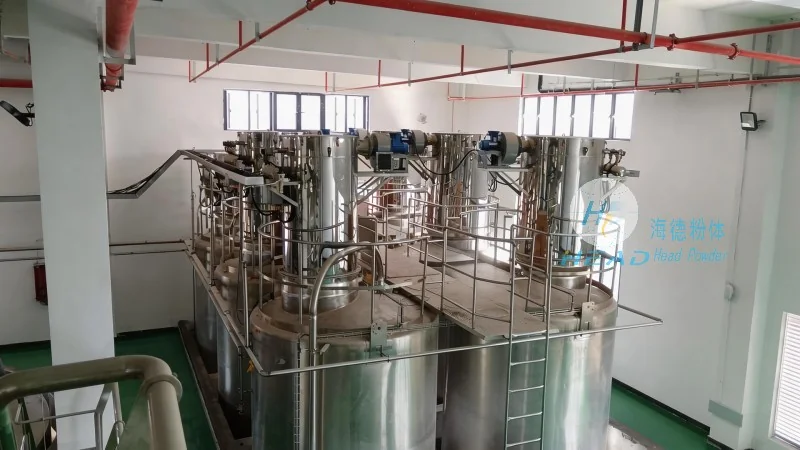
Conclusion and Company Overview
HeadPowder Engineering Co., Ltd., with its headquarters in Shandong, China, is a trusted provider of customized material handling solutions tailored to the needs of soybean meal processing industries. By leveraging advanced engineering principles and industry expertise, the company designs systems that optimize material transport, enhance operational efficiency, and ensure product quality. The principles and operational scenarios discussed in this article underscore the importance of a well-designed material handling system in modern soybean meal processing, and HeadPowder continues to lead in delivering innovative solutions to meet the evolving demands of the industry.