

Principle and Working Scene Characteristics of Carbon Powder Material Handling Systems
Carbon powder material handling systems are essential in various industrial applications, particularly in the production and processing of carbon-based materials. These systems are designed to efficiently transport carbon powder from one location to another, ensuring consistent flow and minimal loss. The core of such systems lies in understanding their operational principles and the diverse scenarios where they are effectively utilized.
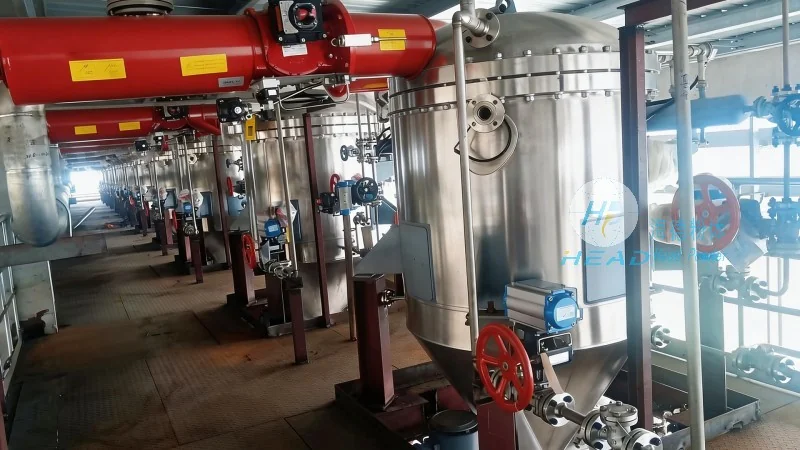
Company Overview: Shandong HeadPowder Engineering Co., Ltd.
Headpowder, as the name suggests, specializes in engineering solutions for carbon powder handling. With its headquarters in Shandong, China, the company has established itself as a leading provider of advanced material transport technologies. The company’s expertise spans the design, manufacturing, and integration of systems tailored to the unique needs of carbon powder industries, ensuring reliability and efficiency in material handling processes.
Principle of Carbon Powder Material Transport
The fundamental principle behind carbon powder material handling systems is the utilization of mechanical forces to move powder through a defined path. Common methods include pneumatic conveying, screw conveyors, and bucket elevators, each suited to different material characteristics and operational requirements. Pneumatic conveying, for instance, uses compressed air to create a flow of powder, while screw conveyors rely on rotating screws to push material forward. The choice of method depends on factors like powder density, moisture content, and the distance to be covered. In addition to these primary mechanisms, modern systems often incorporate advanced control technologies to optimize flow rates, pressure, and energy consumption, enhancing overall system performance.
Key Components and Their Functions
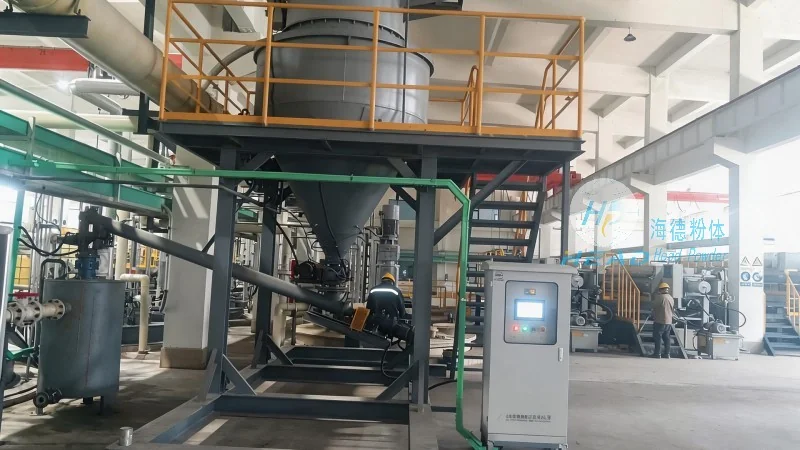
Carbon powder material handling systems consist of several critical components that work in tandem to ensure smooth operation. The primary components include the feed hopper, which stores and feeds the carbon powder into the system; the conveying mechanism, which transports the powder; and the discharge unit, which releases the material at the desired location. The feed hopper is designed to minimize material bridging and agglomeration, which can impede flow. It often features a conical or hopper-shaped design with a discharge valve to regulate the amount of material entering the system. The conveying mechanism, whether pneumatic or mechanical, is engineered to handle the specific properties of carbon powder, such as its fine particle size and potential for static charge. For example, pneumatic systems may use cyclone separators to separate the powder from the air stream, while mechanical systems employ seals and bearings to prevent material leakage and wear. The discharge unit, typically a valve or outlet, is positioned to direct the powder to the next stage of processing or storage, ensuring a controlled and consistent output.
Working Scene Characteristics: Applications and Benefits
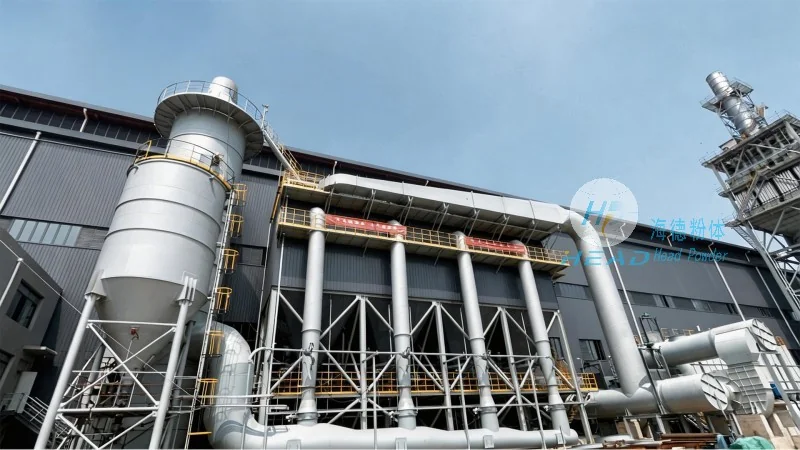
The effectiveness of carbon powder material handling systems is evident in various industrial applications. In the production of carbon black, for example, these systems are crucial for transporting raw materials and finished products between processing stages. The systems ensure that carbon powder is moved efficiently without degradation, maintaining the quality of the final product. Similarly, in battery manufacturing, carbon powder is used as an electrode material, and the handling systems must maintain the powder’s purity and consistency to ensure battery performance. The benefits of these systems extend beyond efficiency; they also contribute to safety by reducing manual handling of fine powders, which can pose health risks. Additionally, automated systems reduce labor costs and improve operational consistency, making them a preferred choice for modern industrial settings.
Customization and Integration for Specific Needs
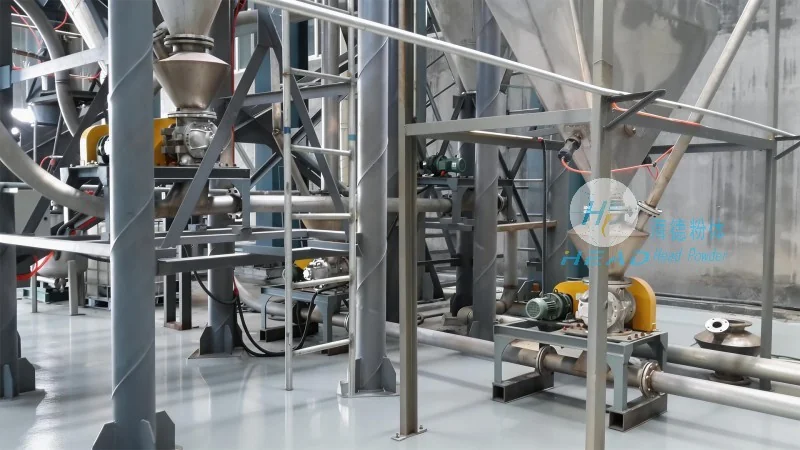
One of the key advantages of carbon powder material handling systems is their adaptability to specific industrial requirements. Shandong HeadPowder Engineering Co., Ltd. offers customized solutions tailored to the unique characteristics of each client’s operation. This includes adjusting the system’s capacity, conveying speed, and control parameters to match the volume of carbon powder being handled. The company also integrates systems with existing production lines, ensuring seamless operation without disrupting ongoing processes. Customization may involve modifying the feed hopper size, upgrading the conveying mechanism to handle higher pressures, or adding additional filtration and separation units to meet specific purity standards. Such flexibility allows industries to optimize their material handling processes, reducing downtime and improving overall productivity.
Conclusion: The Role of Advanced Material Handling in Carbon Powder Industries
Carbon powder material handling systems play a vital role in the efficient and safe processing of carbon-based materials. By understanding the principles of these systems and leveraging advanced engineering solutions, industries can enhance their operational performance. Shandong HeadPowder Engineering Co., Ltd. stands as a leader in providing reliable and customized material transport systems, supporting the growth and success of carbon powder industries worldwide. The continued development of such systems ensures that industries can meet the demands of modern production while maintaining high standards of efficiency and safety.