

The Principle and Working Scene Characteristics of PVA-Formaldehyde Powder Conveying Lines
For industrial applications involving the handling and transportation of PVA-formaldehyde powders, specialized conveying systems are essential to ensure efficiency, safety, and reliability. This article explores the fundamental principles behind PVA-formaldehyde powder conveying lines, as well as the key characteristics of working environments where such systems are commonly employed. The information is presented by Shandong HeadPowder Engineering Co., Ltd., a leading provider of engineering solutions for powder processing industries.
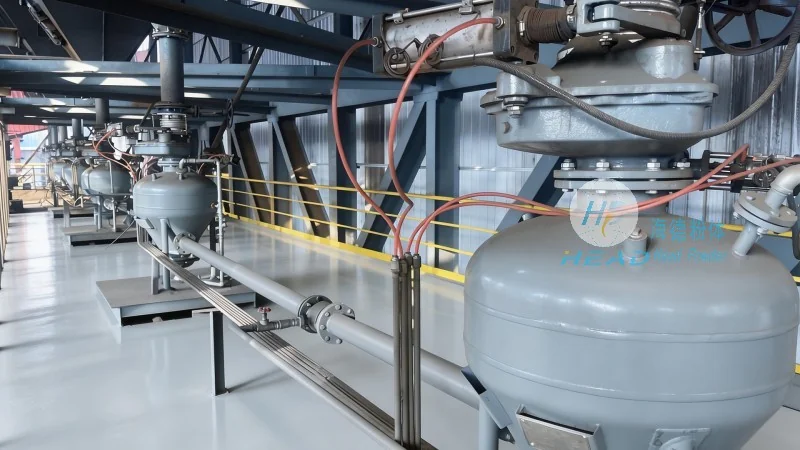
Overview of PVA-Formaldehyde Powder Conveying Systems
PVA-formaldehyde, also known as PVA-formal, is a synthetic polymer widely used in various industries, including textiles, adhesives, and coatings. The handling of this powder requires careful consideration due to its properties, such as hygroscopicity and potential dust explosion risks. A PVA-formaldehyde powder conveying line is a comprehensive system designed to transport these powders from storage to processing units or other destinations within a facility. The system typically integrates components like hoppers, feeders, conveyors, and control systems to achieve seamless material movement.
Core Components and Operational Principle
The operational principle of a PVA-formaldehyde powder conveying line is based on the controlled movement of the powder through a series of mechanical and pneumatic components. The process generally starts with the powder being discharged from a storage hopper into a feeding device, such as a rotary valve or a screw feeder. This feeding mechanism ensures a consistent and controlled flow of material into the conveyor section. The conveyor itself may be a pneumatic system (air-suspended or air-lift) or a mechanical system (belt, screw, or chain conveyor), depending on the specific requirements of the application. The choice of conveyor type is critical as it directly impacts the efficiency and safety of the operation.
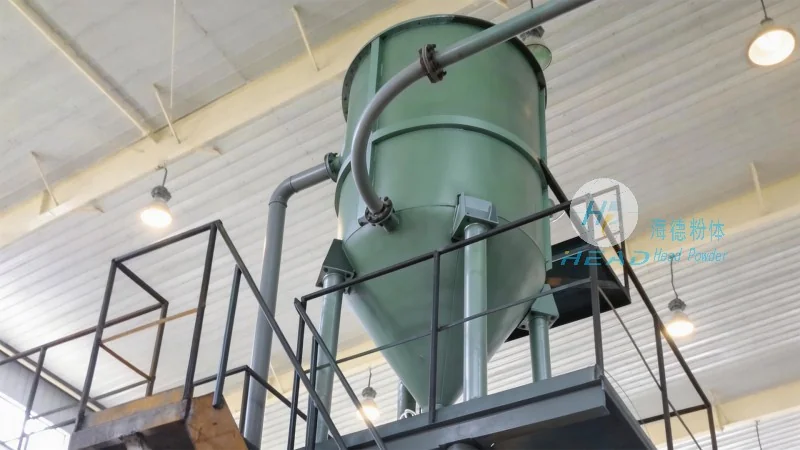
Key Working Scene Characteristics
The working scene characteristics of PVA-formaldehyde powder conveying lines are influenced by several factors, including the nature of the powder, the scale of the operation, and the environmental conditions. One of the primary characteristics is the need for dust control measures, as PVA-formaldehyde powders can generate fine particles that pose health and safety risks. Therefore, enclosed systems with proper ventilation and filtration are commonly employed to minimize dust exposure. Another characteristic is the requirement for temperature and humidity control, as PVA-formaldehyde is hygroscopic and can absorb moisture from the air, leading to clumping or caking. Maintaining stable environmental conditions within the conveying line is crucial to ensure consistent material flow and prevent equipment damage.
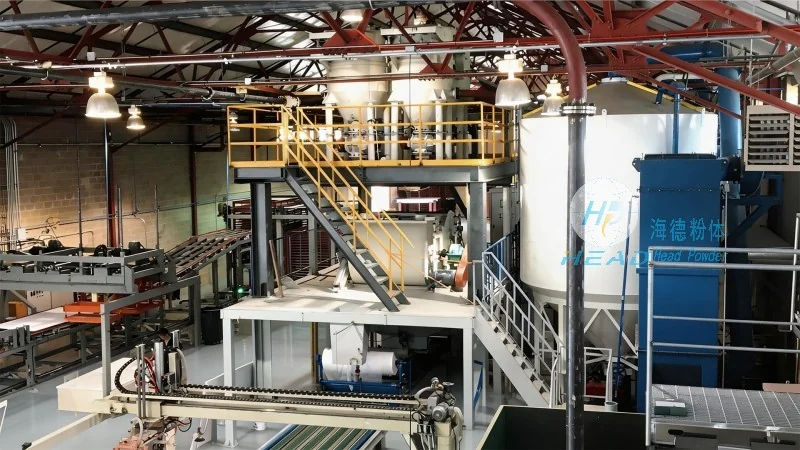
Application Scenarios and Industry Use Cases
PVA-formaldehyde powder conveying lines are widely used in industrial settings where the polymer is processed or used as an ingredient. For example, in the textile industry, PVA-formal is used as a sizing agent for fabrics, and the conveying line may transport the powder from storage to the sizing machines. In the adhesive industry, PVA-formal is used as a binder in construction adhesives, and the system may deliver the powder to mixing and extrusion units. The versatility of these conveying lines makes them suitable for various applications, from small-scale laboratory operations to large-scale manufacturing plants. The ability to handle different powder flow rates and volumes allows for customization to meet the specific needs of each client.
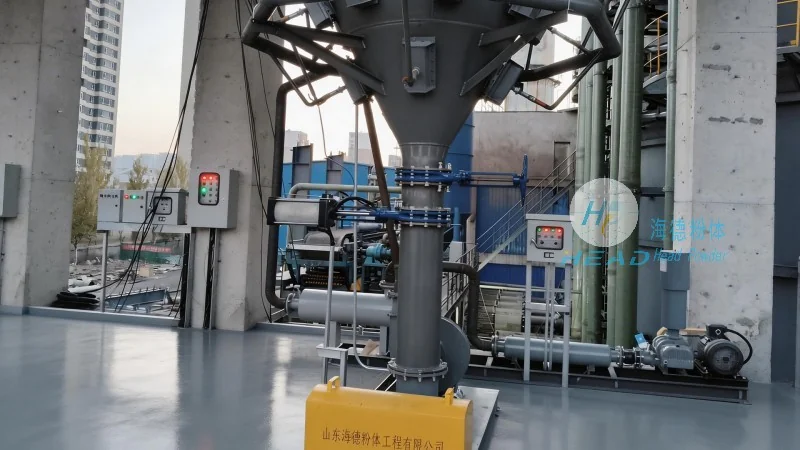
Advantages and Benefits of PVA-Formaldehyde Powder Conveying Lines
Implementing a PVA-formaldehyde powder conveying line offers several advantages for industrial operations. Firstly, it enhances safety by reducing the risk of manual handling of powders, which can lead to respiratory issues or dust explosions. The enclosed design of the system minimizes dust dispersion, creating a safer working environment. Secondly, it improves efficiency by automating the material transport process, reducing labor costs and increasing production throughput. The consistent flow of material ensures that processing units receive a steady supply, preventing downtime caused by material shortages. Additionally, the system's ability to handle varying powder characteristics makes it adaptable to different production requirements, providing flexibility in operations.
Conclusion and Company Information
In conclusion, PVA-formaldehyde powder conveying lines are essential equipment for industries dealing with this polymer. The principles behind their operation, combined with the working scene characteristics, ensure that these systems are both effective and safe. Shandong HeadPowder Engineering Co., Ltd. specializes in designing and manufacturing such systems, leveraging years of experience in powder processing technology. With a focus on quality and customer satisfaction, the company provides tailored solutions that meet the unique needs of each client. Whether for small-scale or large-scale applications, PVA-formaldehyde powder conveying lines offer a reliable and efficient means of material handling, contributing to improved productivity and safety in industrial settings.