

Principle and Working Scene Characteristics of Dicalcium Phosphate Powder Conveying Lines
HeadPowder, a leading engineering company based in Shandong, China, specializes in the design and manufacturing of advanced powder conveying systems tailored for dicalcium phosphate applications. The dicalcium phosphate powder conveying line is a sophisticated system engineered to handle the unique challenges of transporting this essential feed additive efficiently and reliably. This article explores the fundamental principles behind such systems and highlights the key working scene characteristics that define their operational effectiveness.
Understanding the Core Principles of Dicalcium Phosphate Powder Conveying Lines
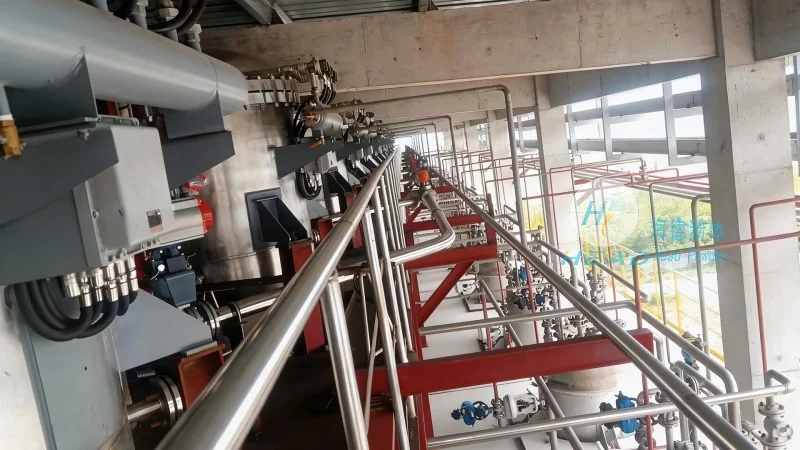
The dicalcium phosphate powder conveying line operates on principles that ensure optimal material handling, safety, and efficiency. At its core, the system integrates several critical components, including feeders, conveyors, and control mechanisms, all working in harmony to move the powder from its source to the desired destination. The primary goal is to maintain consistent flow rates, prevent material degradation, and minimize the risk of dust generation, which are all critical for maintaining product quality and operational safety.
Key principles include the use of specialized equipment designed to handle the physical properties of dicalcium phosphate, such as its particle size, moisture content, and flowability. For instance, the system may incorporate screw conveyors or pneumatic systems, depending on the specific requirements of the application. The design also emphasizes the importance of maintaining a consistent air pressure and flow rate in pneumatic systems to ensure smooth material transport without clogging or loss of material.
Working Scene Characteristics of Dicalcium Phosphate Powder Conveying Lines
The working scene characteristics of dicalcium phosphate powder conveying lines vary based on the specific industrial application, such as in animal feed production, pharmaceutical manufacturing, or chemical processing. These characteristics include the scale of operation, the volume of material to be handled, and the environmental conditions of the facility. For example, in large-scale feed mills, the conveying line may need to transport thousands of tons of dicalcium phosphate per day, requiring robust and high-capacity equipment.
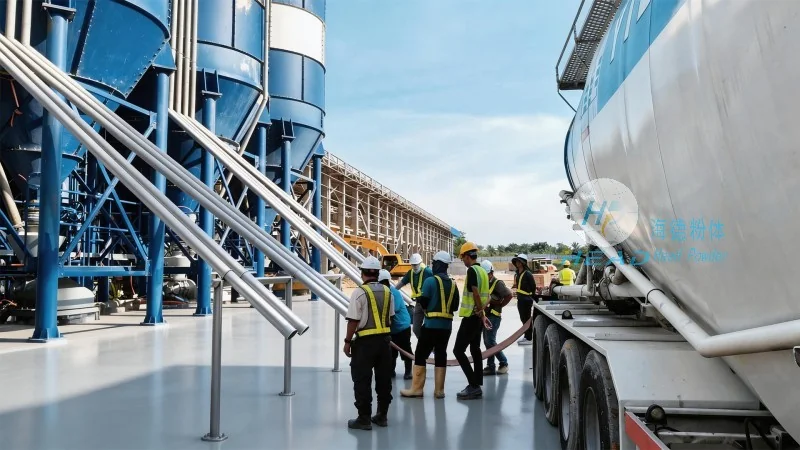
Another key characteristic is the need for integration with other processing equipment. The conveying line often connects to storage silos, mixing units, or packaging systems, ensuring a seamless flow of material through the entire production process. This integration is critical for maintaining production efficiency and reducing downtime. Additionally, the working scene may involve multiple stages of conveying, such as primary and secondary transport, to cover longer distances or overcome elevation changes.
Technical Advantages and Operational Benefits
HeadPowder's dicalcium phosphate powder conveying lines offer several technical advantages that enhance operational performance. These include high conveying efficiency, minimal material loss, and reduced maintenance requirements. The use of advanced materials and engineering designs ensures that the system can handle the abrasive nature of dicalcium phosphate without excessive wear and tear. Furthermore, the systems are designed with safety features, such as dust suppression and explosion-proof components, to comply with industrial safety standards and protect personnel and equipment.
Operational benefits also include improved process control and flexibility. The conveying lines can be equipped with sensors and control systems that monitor flow rates, pressure, and temperature, allowing for real-time adjustments to maintain optimal performance. This level of control is essential for maintaining product quality and meeting regulatory requirements. Additionally, the modular design of the systems allows for easy expansion or modification to adapt to changing production needs.
Application-Specific Considerations
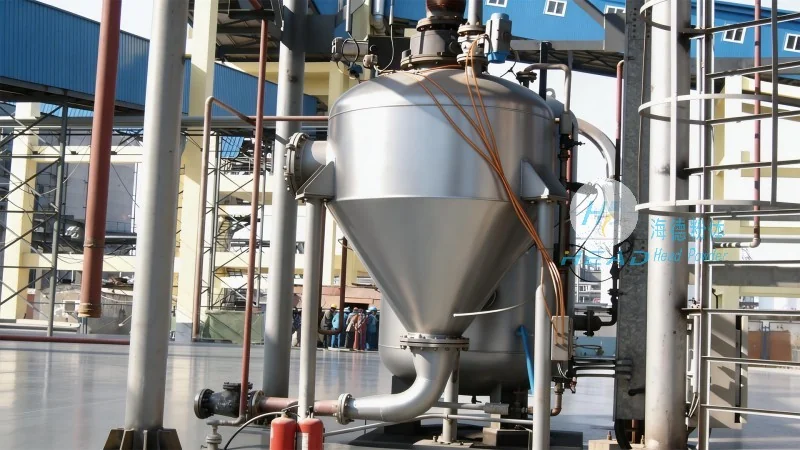
When designing a dicalcium phosphate powder conveying line, several application-specific considerations must be taken into account. These include the specific properties of the dicalcium phosphate being handled, such as its moisture content and particle size distribution. For instance, if the material is prone to clumping or has a high moisture content, the system may require additional drying or de-agglomeration steps to ensure smooth transport.
Another consideration is the environmental impact of the operation. The conveying line must be designed to minimize dust emissions and comply with environmental regulations. This may involve the use of enclosed systems or dust collection equipment to ensure that the operation is environmentally friendly and safe for the surrounding community.
Conclusion
HeadPowder's dicalcium phosphate powder conveying lines represent a sophisticated solution for the efficient and reliable handling of this essential material. By understanding the core principles and working scene characteristics, industries can select and implement the most suitable system to meet their specific needs. With its focus on quality, safety, and efficiency, HeadPowder continues to be a trusted partner in providing advanced powder handling solutions for the dicalcium phosphate industry.