

Principle and Working Scene Characteristics of Soybean Meal Powder Conveying System
HeadPowder, a leading engineering company based in Shandong, China, specializes in the design and implementation of efficient powder conveying systems. This article delves into the fundamental principles behind the soybean meal powder conveying system, exploring its operational mechanics and the specific characteristics of its working environments. By understanding these aspects, stakeholders in the agricultural and food processing industries can better appreciate the technology's role in optimizing material handling processes.
The Core Principles of Soybean Meal Powder Conveying
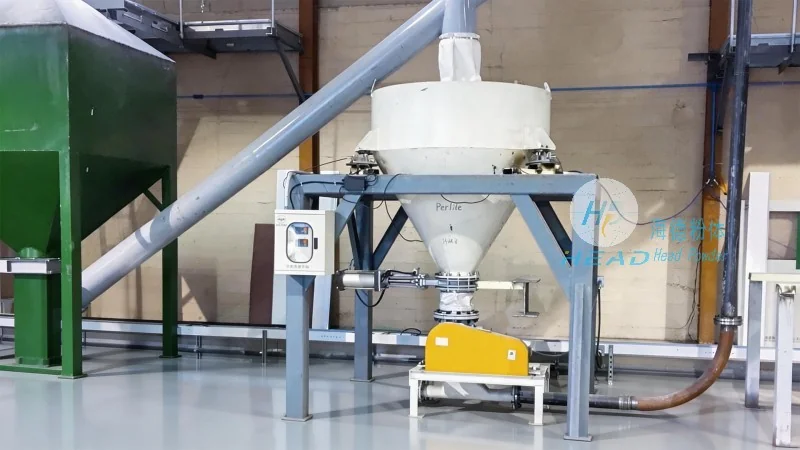
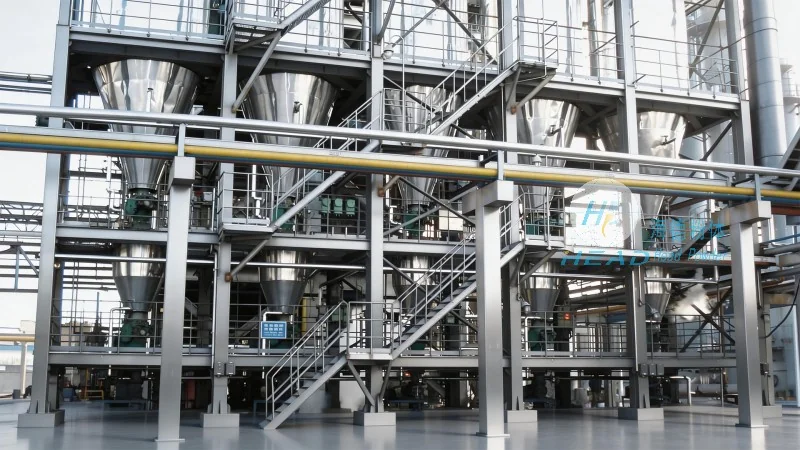
The soybean meal powder conveying system operates on several key principles that ensure reliable and efficient transport of soybean meal, a critical byproduct in the soybean processing industry. The primary principle revolves around the use of pneumatic or mechanical methods to move the fine powder from one location to another. Pneumatic conveying, for instance, utilizes air pressure to create a flow of the powder through a pipeline, while mechanical systems may employ screw conveyors or bucket elevators. These methods are chosen based on factors such as the material's properties, the distance to be covered, and the required flow rate. The system's design also incorporates considerations for material handling efficiency, minimizing product degradation, and ensuring compliance with safety and hygiene standards. HeadPowder's expertise lies in tailoring these principles to meet the unique demands of soybean meal processing facilities, ensuring optimal performance and longevity of the conveying equipment.
Working Scene Characteristics: Environmental and Operational Factors
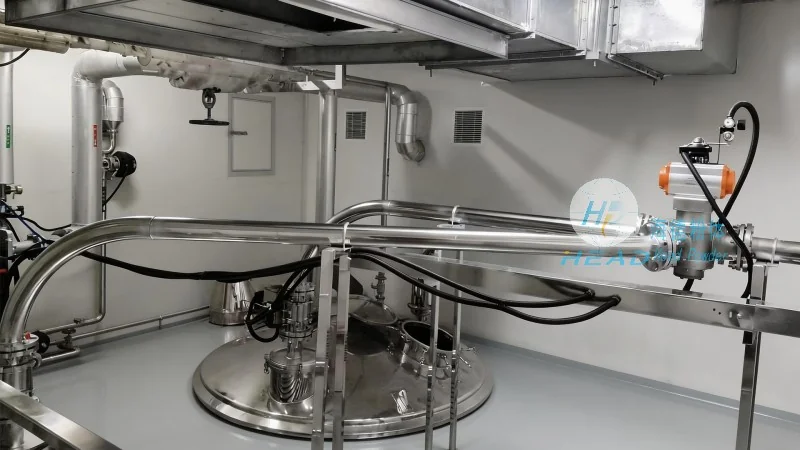
The working scene characteristics of a soybean meal powder conveying system are influenced by a variety of environmental and operational factors that directly impact its performance. One of the most significant factors is the material's physical properties, including its particle size, moisture content, and flowability. Soybean meal is typically a fine powder with a relatively high bulk density, which can affect the system's capacity and the need for specialized equipment to prevent clogging or blockages. The system must also be designed to handle variations in feed rate, as fluctuations in the supply of soybean meal can lead to uneven flow or system overload. Additionally, the working environment may involve high temperatures or humidity, which can influence the material's characteristics and the system's components, such as seals and bearings. HeadPowder addresses these challenges by incorporating robust materials and advanced control systems that maintain consistent performance under varying conditions. The system's layout and integration with other processing equipment are also critical, as the conveying system must seamlessly connect with storage silos, processing units, and packaging lines to ensure a smooth workflow. The company's engineers consider these factors during the design phase to create a system that is both efficient and adaptable to the specific operational needs of the facility.
Application Scenarios and Industry Impact
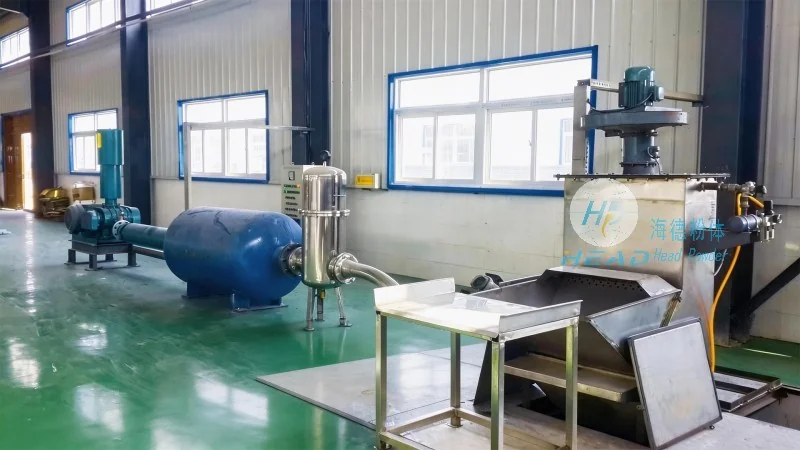
Soybean meal, a high-protein feed ingredient, is widely used in animal feed production, aquaculture, and even as a component in certain food products. The powder conveying system is essential in these applications as it enables the safe and efficient transport of the material from storage to processing or packaging areas. In animal feed plants, for example, the system may be used to move soybean meal from large storage silos to feed mixers or extruders, where it is combined with other ingredients to create animal feed. The system's ability to handle large volumes of material quickly and reliably is crucial in meeting production demands and maintaining operational efficiency. Similarly, in aquaculture facilities, the conveying system ensures that the feed is delivered to the fish or shrimp tanks in a controlled manner, preventing waste and optimizing feeding schedules. HeadPowder's systems are designed to support these diverse applications by providing customizable solutions that align with the specific requirements of each industry segment. The company's focus on quality and reliability ensures that the conveying systems not only meet but often exceed the performance expectations of its clients, contributing to improved productivity and reduced operational costs in the soybean meal processing industry.