

Principle and Working Scene Characteristics of River Sand Pneumatic Conveying System Equipment
For industries dealing with river sand, efficient and reliable material handling is crucial. The pneumatic conveying system, specifically designed for river sand, offers a solution that combines advanced technology with practical application in various working environments. This article explores the fundamental principles behind such systems and highlights the key characteristics that define their performance in real-world scenarios.

Introduction to River Sand Pneumatic Conveying Systems
River sand, a vital raw material in construction and manufacturing, requires specialized handling equipment to ensure optimal processing and transportation. Pneumatic conveying systems provide a non-contact, low-maintenance method for moving sand from one location to another. Unlike traditional belt or bucket elevators, these systems use air pressure to transport material through a pipeline network, minimizing the risk of contamination and wear.
HeadPowder: A Leader in Pneumatic Conveying Solutions
Shandong HeadPowder Engineering Co., Ltd., based in China, is a prominent manufacturer specializing in industrial material handling equipment. With years of experience in the field, HeadPowder has developed cutting-edge pneumatic conveying systems tailored to the unique demands of river sand processing. The company's commitment to innovation and quality ensures that their products meet the highest standards of efficiency and durability.
The Working Principle of Pneumatic Conveying Systems
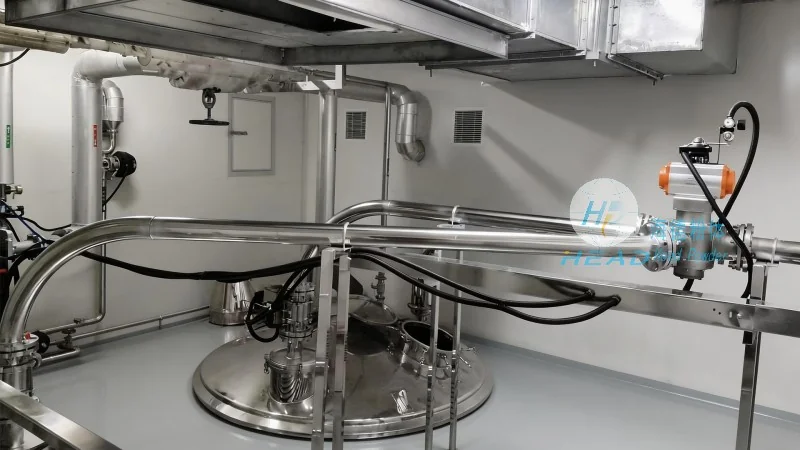
The core principle of pneumatic conveying involves the use of air to create a flow that transports solid particles. In the case of river sand, the system typically operates in either a suction or pressure mode. The suction system draws sand from a hopper or storage area using a vacuum created by a fan or blower, while the pressure system forces air and sand through the pipeline under positive pressure. The design of the system, including the choice of air velocity and pipeline diameter, is critical to achieving efficient transport without causing particle degradation or system blockages.
Key Working Scene Characteristics
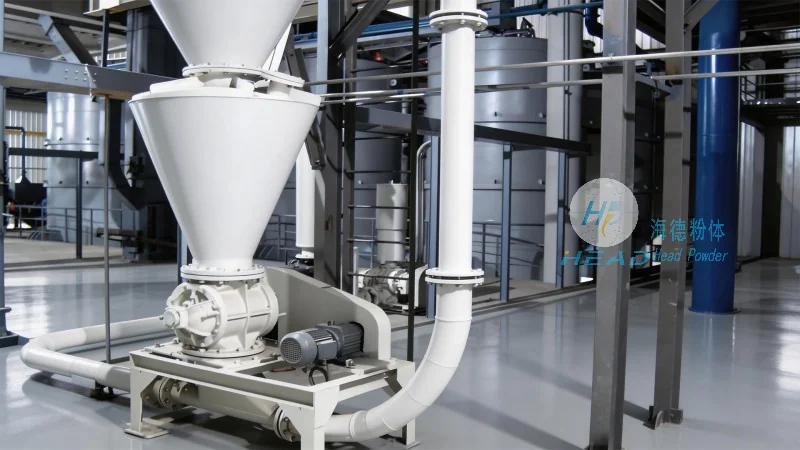
The application of river sand pneumatic conveying systems is characterized by several distinct features that enhance operational effectiveness. First, the systems are highly adaptable to different site layouts, allowing for flexible pipeline routing to connect processing units, storage silos, and construction sites. Second, they offer significant advantages in terms of dust control and environmental protection, as the enclosed pipeline system prevents sand from being released into the air, reducing health hazards and compliance issues. Third, the systems are designed for low maintenance, with components such as air filters and check valves that minimize downtime and operational costs.
Technical Advantages and Performance
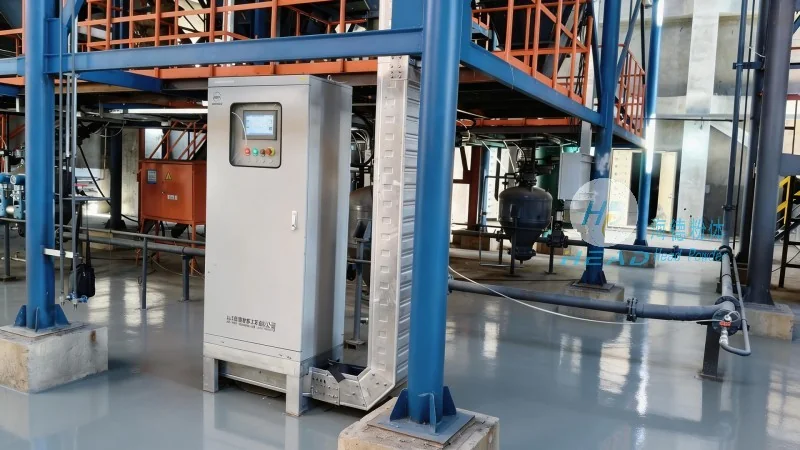
HeadPowder's pneumatic conveying systems for river sand exhibit several technical advantages that make them ideal for demanding applications. The use of high-efficiency fans and blowers ensures consistent air flow, while the robust pipeline construction withstands the abrasive nature of sand particles. Additionally, the systems are equipped with advanced control systems that monitor pressure, flow, and temperature, providing real-time feedback to optimize performance. These features contribute to higher throughput rates, reduced energy consumption, and extended equipment lifespan.
Conclusion
In conclusion, the pneumatic conveying system for river sand, as exemplified by the solutions from Shandong HeadPowder Engineering Co., Ltd., represents a sophisticated approach to material handling. By understanding the principles of air-based transport and leveraging the specific characteristics of river sand, these systems deliver reliable, efficient, and environmentally friendly performance across various working scenes. For industries seeking to enhance their sand processing capabilities, such systems offer a proven and effective solution.